Atlin, human settlement in British Columbia, Canada
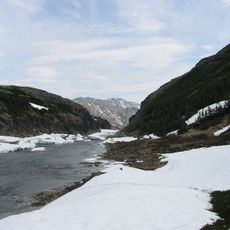
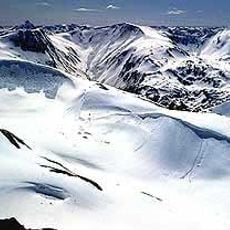
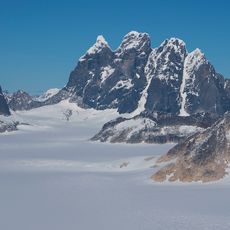
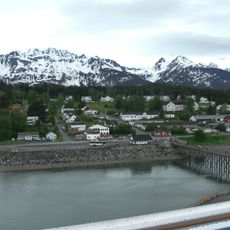
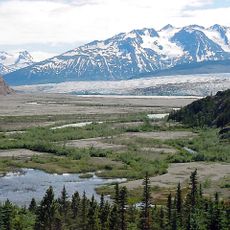
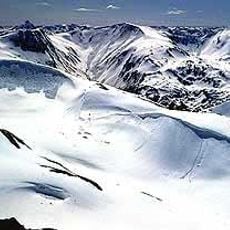
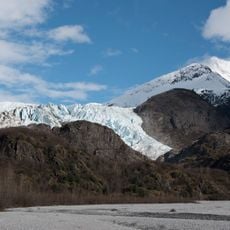
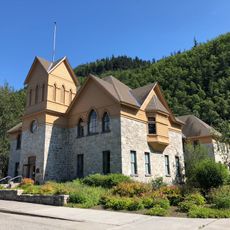
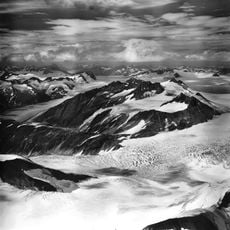
Atlin is a small village on the shore of Atlin Lake in northwestern British Columbia, the largest natural lake in the province. The settlement sits at the foot of high mountains and offers access to hiking trails, a historical museum in a restored 1902 schoolhouse, and a large provincial park nearby.
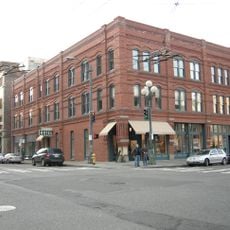
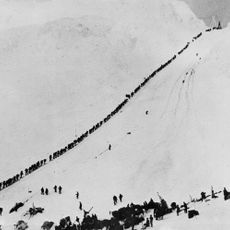
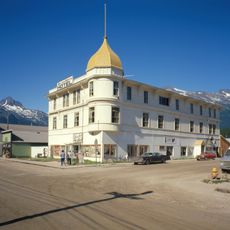
Gold was discovered here in 1898 when prospectors heading to the Klondike stopped to pan for gold, leading to rapid growth with over 8,000 residents at the height of mining activity. The strikes in Pine Creek and surrounding waterways were productive, but the population declined sharply once the rush ended, leaving only about 500 residents today.
Atlin takes its name from the Tlingit word atlah, meaning 'Big Water', which reflects the lake's central role in community life. The town retains the quiet character of a place shaped by its gold rush past, where remote living and creative people are drawn to its peaceful rhythm and natural surroundings.
The village is best reached via Atlin Highway 7 from the Yukon border, roughly a two-hour drive from Whitehorse. Visitors should note that supplies and fuel are limited, so it is wise to bring what you need and plan ahead, especially for hiking trips where sturdy footwear and knowledge of bear safety are essential.
During the gold rush, the settlement became one of the largest communities in northwestern Canada, yet retained a frontier feeling that many remote towns have lost over time. A quirky attraction called the shortest railway trail follows an old rail line through forests and around lakes, passing historic mining remnants and offering a glimpse into past transportation methods.
The community of curious travelers
AroundUs brings together thousands of curated places, local tips, and hidden gems, enriched daily by 92,632 contributors worldwide.