Hoodoo Mountain, Stratovolcano in Northern Interior of British Columbia, Canada
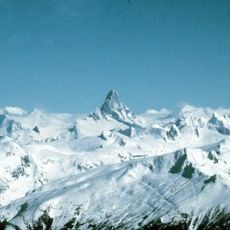
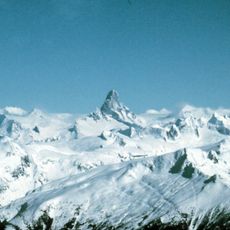
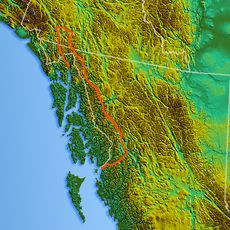
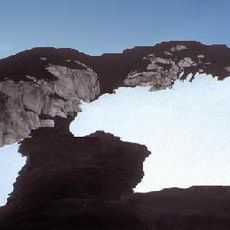
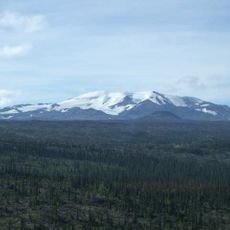
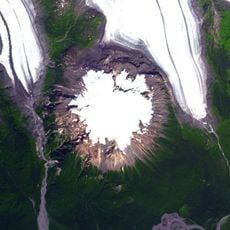
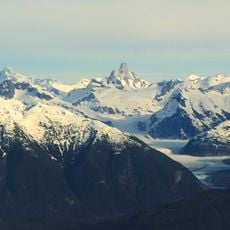
Hoodoo Mountain is a volcano in the northern interior of British Columbia, Canada, rising in a remote wilderness landscape. The summit carries an ice cap that spans several kilometers and gives the mountain its flat, distinctive profile.
The volcano formed roughly 85,000 years ago and went through several eruption phases beneath glacial ice. These eruptions gradually shaped the present form of the mountain with its broad summit plateau.
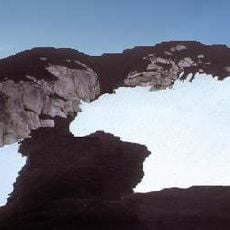
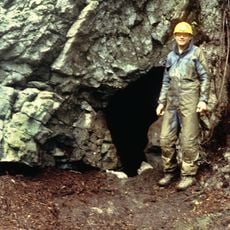
The name comes from the phonolite and trachyte lava that cooled into column-like forms, the hoodoos that give the mountain its name. The surrounding Cassiar Land District has seen mineral exploration since the early 1900s, and copper, silver and gold were mined from two underground operations in the Iskut River floodplain between 1988 and 1999.
Access to the mountain is by aircraft or boat, as the area lies far from road connections. Visitor parties should have experience with alpine terrain and glacier travel, as the environment is demanding.
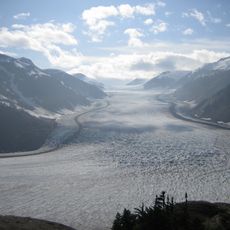
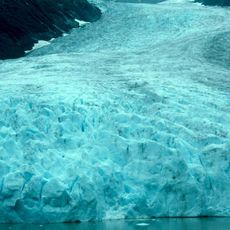
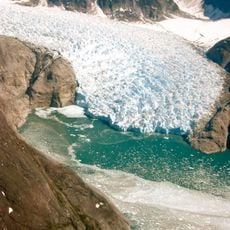
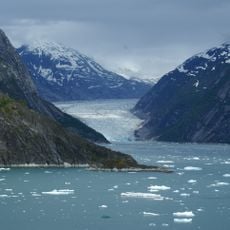
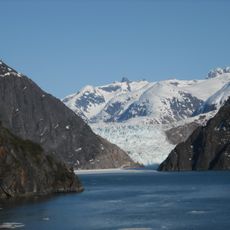
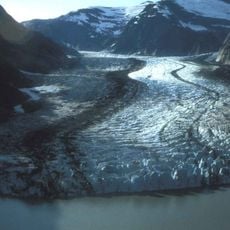
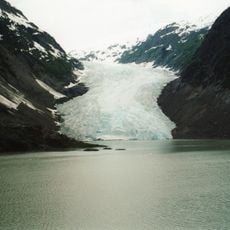
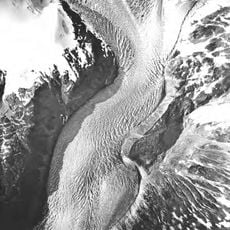
Two valley glaciers flow along the northern flanks of the mountain and feed meltwater streams that join the Iskut River. The glacier tongues reach lower elevations than many other ice fields in the region.
The community of curious travelers
AroundUs brings together thousands of curated places, local tips, and hidden gems, enriched daily by 94,121 contributors worldwide.