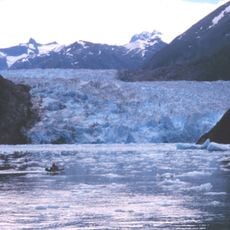
LeConte Glacier, Tidewater glacier in Southeast Alaska, United States.
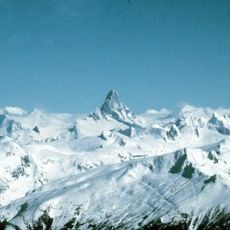
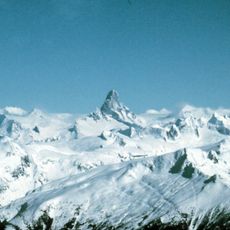
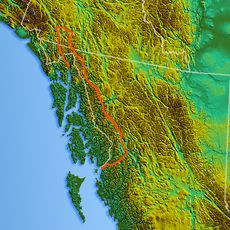
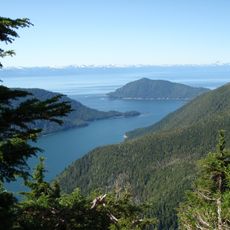
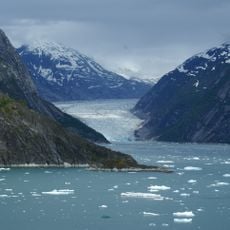
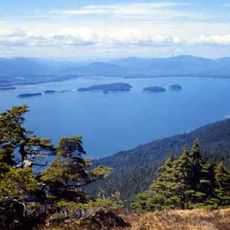
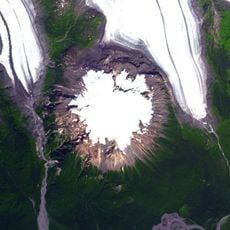
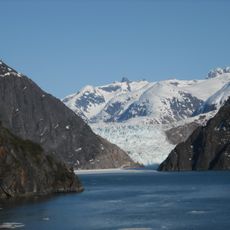
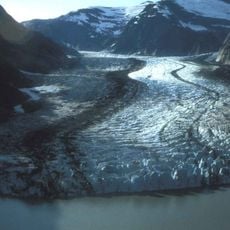
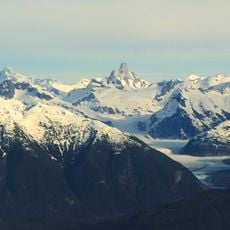
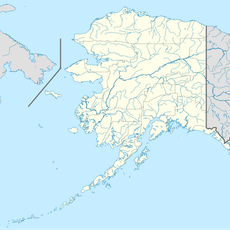
LeConte Glacier is a 21-mile (34 km) long, 1-mile (1.6 km) wide tidewater glacier in Petersburg Borough, Alaska. It flows southwest from the Stikine Icecap below Devils Thumb to the head of LeConte Bay, 32 km east of Petersburg, ending in an 810-foot-deep (250 m) fjord.
In 1887 Lieutenant-Commander Charles M. Thomas of the U.S. Navy named the glacier after Joseph LeConte, a geologist and professor at the University of California. The Tlingit name recorded by John Muir was "Huti", which he linked to a mythical bird whose wingbeats sounded like thunder. Since that first record the ice has retreated about 4 km.
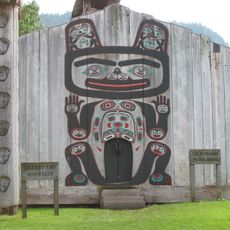
The glacier carries a name rooted in Tlingit heritage, originally called Huti and linked to a mythological bird whose wing movements were said to create thunder across the land. For local communities, this place represents a location where nature reveals itself in visible and powerful ways.
The glacier is best reached from the town of Wrangell by boat, with tours lasting several hours. Water conditions can be rough, and the season determines when visits are possible.
LeConte Bay is about 810 feet (250 m) deep, so icebergs calve underwater and shoot up through the water column by buoyancy. In 2019 acoustic observations showed the submarine part of the glacier melts significantly faster than scientific theory had predicted.
The community of curious travelers
AroundUs brings together thousands of curated places, local tips, and hidden gems, enriched daily by 92,633 contributors worldwide.