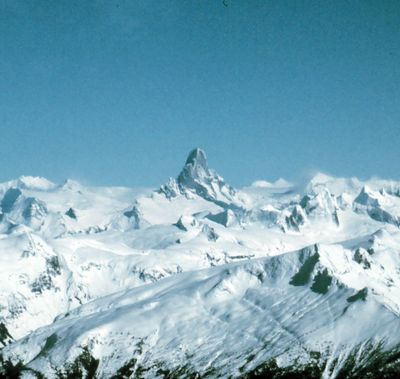
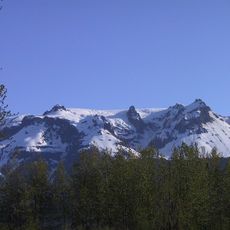
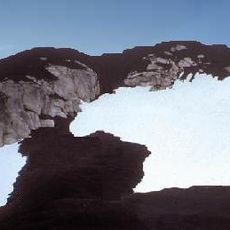
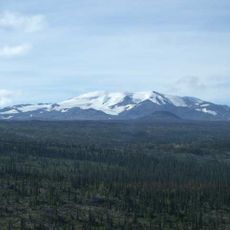
Stikine Icecap, Ice field in Coast Mountains, British Columbia.
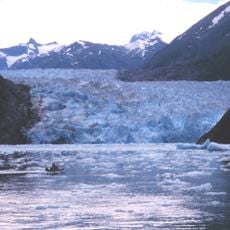
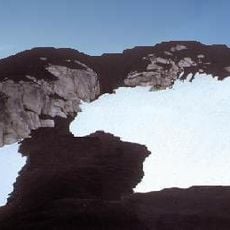
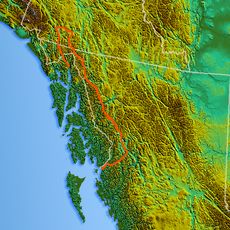
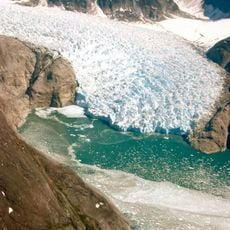
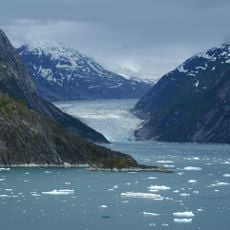
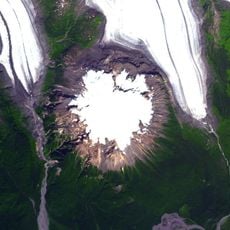
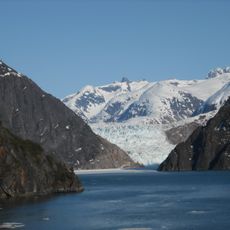
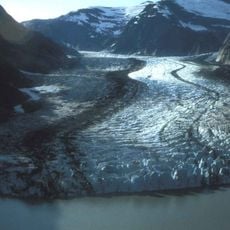
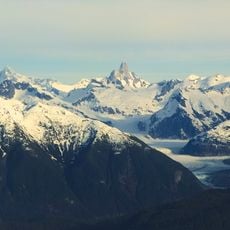
Stikine Icecap is a large glacier field in the northern Coast Mountains of British Columbia, Canada, sitting at high elevation across a remote alpine plateau. Several glaciers flow outward from it, including the Great Glacier, which descends into the valleys below through a slow-moving mass of compressed ice.
The territory surrounding this ice field was assigned to Canada following the Hay-Herbert Treaty of 1903, which resolved a border dispute between Canada and the United States that had lasted for years. Before that, the area was used by Indigenous Tahltan people for generations as a hunting and travel corridor.
The name Stikine comes from the Tahltan language and refers to the great river that flows from this frozen plateau toward the Pacific. The Tahltan people, who still live in the region today, consider this landscape part of their ancestral territory.
Reaching this ice field requires serious alpine experience, proper mountaineering gear, and a professional guide, as the terrain is remote and demanding. The summer months offer the most stable weather window, though conditions can change quickly, so preparation is essential before any attempt.
This ice field feeds the headwaters of both the Stikine and Taku Rivers, two of the major river systems in northwestern North America. What surprises many visitors is that the Great Glacier, which flows from it, has been retreating visibly over recent decades, leaving behind a growing stretch of exposed rock.
The community of curious travelers
AroundUs brings together thousands of curated places, local tips, and hidden gems, enriched daily by 91,400 contributors worldwide.