Cold Lake, Freshwater lake in Alberta and Saskatchewan, Canada
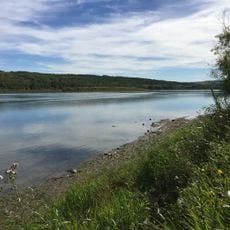
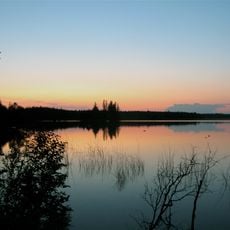
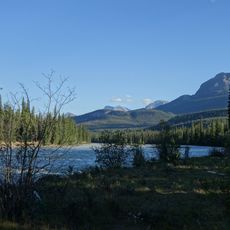
Cold Lake covers 373 square kilometres on the Alberta–Saskatchewan border, 248 of them in Alberta, and reaches a maximum depth of 99.1 metres. The Martineau River feeds it from Primrose Lake and it drains east through the Cold River. Its 24 fish species include walleye, sauger, lake trout, lake whitefish, cisco, burbot and northern pike.
Cold Lake House, a trading post built by Montreal traders in 1781, stood near present-day Beaver Crossing south of the lake. The Cold Lake First Nations hold reserves on the western and southern shores. The lake preserves a fossil record from the Late Pleistocene to the Late Holocene.
The lake's name comes from the Cree word Kinosoo, meaning "big fish", which also names Kinosoo Park on the shore. The Cold Lake First Nations reserves 149A and 149B lie on the western and southern shores. A local legend tells of a lake monster called the kinosoo, and many residents claim to have seen it or hold evidence of it.
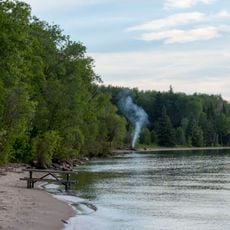
The lake offers multiple access points for fishing, swimming, and boating, which are most active during the summer season. Winter transforms the place for ice fishing, allowing year-round recreation for visitors with different interests.
The lake's name comes from its deep, cold water, while the Indigenous peoples who lived on its shores called it Kinosoo, meaning "big fish". A legend tells of a lake monster of the same name, and many residents claim to have seen it or to hold evidence of it.
The community of curious travelers
AroundUs brings together thousands of curated places, local tips, and hidden gems, enriched daily by 92,807 contributors worldwide.