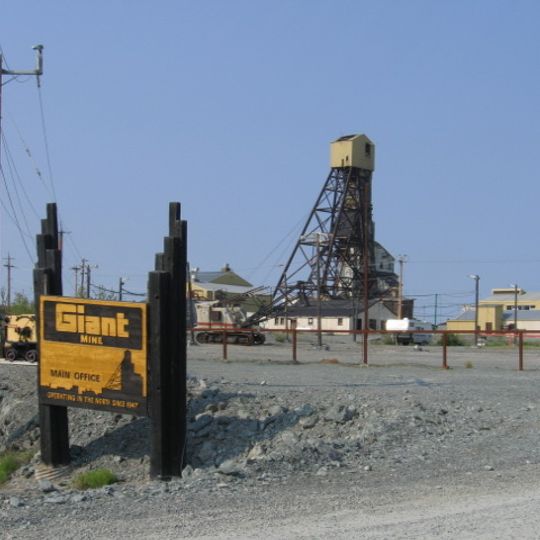
Giant Mine, gold mine
Giant Mine is a closed gold mine near Yellowknife that extends beneath the Baker Creek Valley and produced over seven million ounces of gold during its working years. The ore extracted from the rock contained arsenopyrite, leaving behind about 237,000 tonnes of toxic arsenic trioxide dust stored in underground chambers within the mine itself.
Gold was first discovered near Yellowknife in 1896, but the sustained development of Giant Mine began in the 1930s when C. J. Baker and H. Muir staked the first claims, with the first gold brick poured in 1948. The mine produced continuously through its decades of operation until closing in 2004, with multiple ownership changes and strikes, including a serious labor dispute in 1992, causing significant disruptions.
The name Giant Mine refers to the size of the gold deposit beneath the Baker Creek Valley. The local Dene community holds memories of the time before mining, when women and children picked berries and men hunted moose, reflecting their deep connection to the land. These traditional practices continue to shape the community's understanding of their home today.
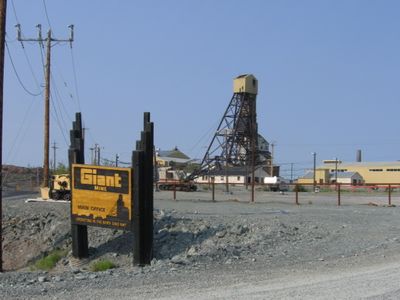
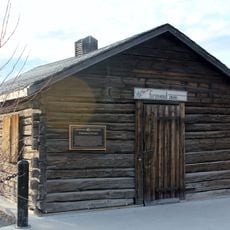
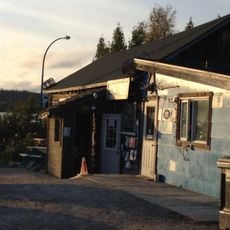
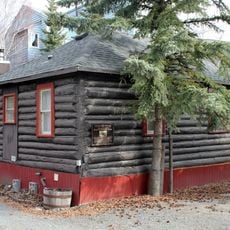
The site is located near Yellowknife and features visible buildings and a tall headframe remaining from mining operations. The grounds show signs of the mining era with disturbed earth and old infrastructure, so visitors should be prepared for uneven terrain and potential hazards.
Local legend tells that Dene Elder Liza Crookedhand found a large rock filled with gold while picking berries and brought it to her camp, which a prospector then traded for, eventually leading to the mine's discovery. This story reveals how Indigenous knowledge and observation became intertwined with the start of modern mining.
The community of curious travelers
AroundUs brings together thousands of curated places, local tips, and hidden gems, enriched daily by 92,713 contributors worldwide.