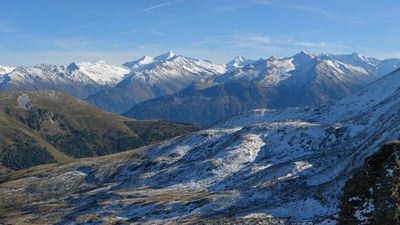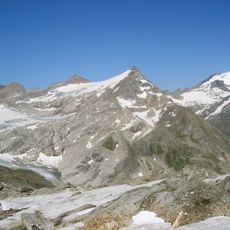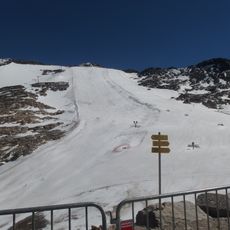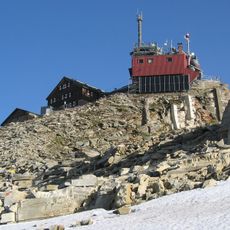
Central Eastern Alps, Alpine sector in Austria, Switzerland, and Italy.
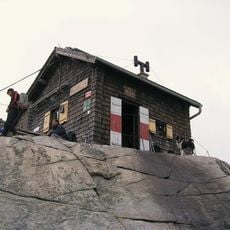
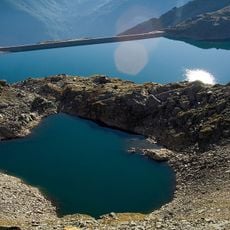
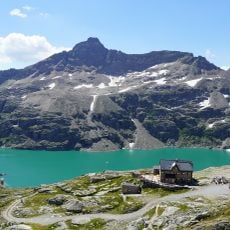
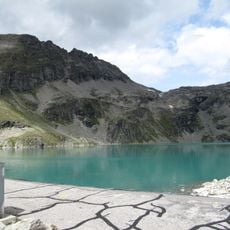
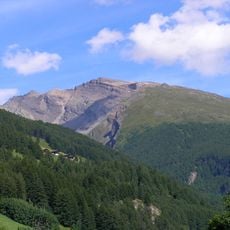
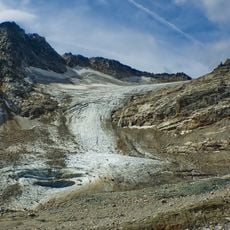
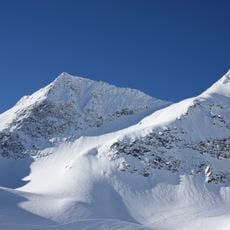
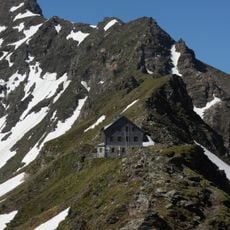
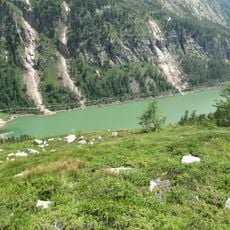
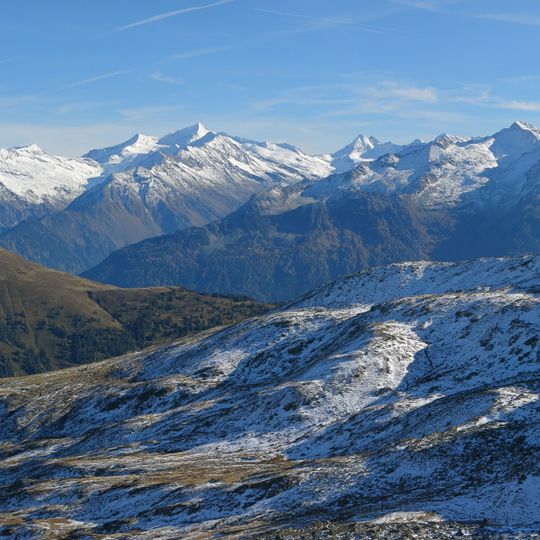
The Central Eastern Alps extend across Vorarlberg, Tyrol, Salzburg, Carinthia, and Styria, as well as parts of Switzerland and Italy. This mountain range consists mainly of gneiss and slate, with diverse peaks and valleys at varying elevations.
This mountain region served as a major transit corridor between northern and southern Europe since ancient times. In the 20th century, the German and Austrian Alpine Club established a classification system in 1924 that divided the Eastern Alps into 75 mountain ranges for systematic study.
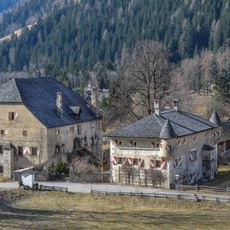
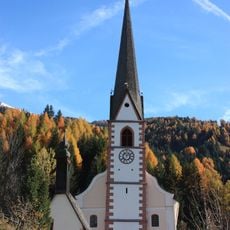
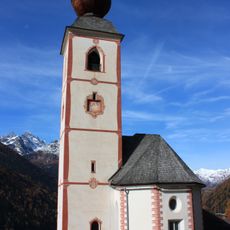
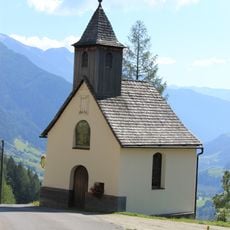
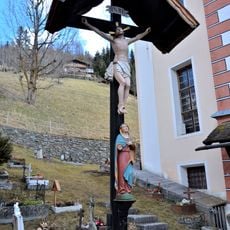
These mountains have shaped how people in surrounding valleys live and work for centuries. Villages and towns throughout the region maintain local practices deeply connected to alpine traditions and mountain agriculture.
The region offers numerous entry points from Austria, Switzerland, and Italy, with well-marked hiking trails and mountain paths connecting different areas. The best time to explore is during warmer months, while winter visits require alpine experience and proper equipment.
This mountain range consists primarily of ancient crystalline rocks such as gneiss and slate, which differ significantly from the limestone formations of the western Alps. This geological distinction makes the landscape and its erosion patterns visibly different from neighboring alpine sectors.
The community of curious travelers
AroundUs brings together thousands of curated places, local tips, and hidden gems, enriched daily by 92,722 contributors worldwide.