Banja Luka Region, Administrative region in northern Bosnia and Herzegovina.
The Banja Luka Region is an administrative area in northwestern Bosnia and Herzegovina defined by valleys, rivers, and mountain terrain. The Vrbas River flows through its center, shaping the natural landscape and serving as a geographic anchor.
The area started as a Roman settlement and developed into a major administrative center under Ottoman rule. The Austro-Hungarian period brought further transformation and infrastructure development to the region.
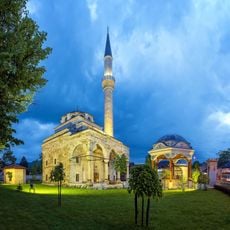
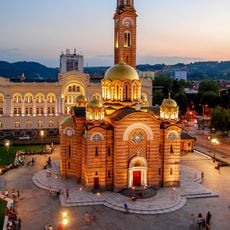
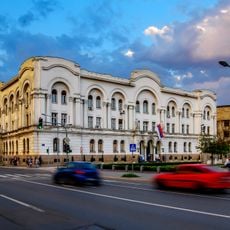
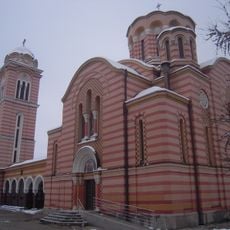
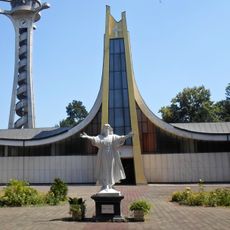
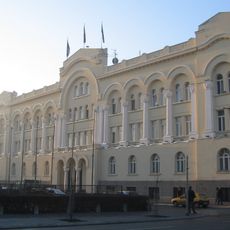
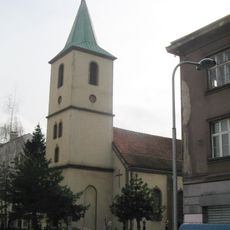
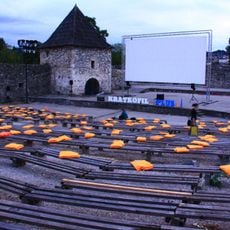
The region blends Orthodox Christian traditions with Roman architectural influences, visible in landmarks like the Temple of Christ the Saviour and Kastel Fortress. This layering of different cultural periods creates a distinct character in the built environment.
The region is connected through major road and railway networks linking Zagreb, Sarajevo, and other regional cities. Visitors typically navigate using these established routes when traveling between towns or exploring the wider area.
The region is known for natural thermal mineral springs that gave the main city its name and remain in use today. Beyond these, a diversified economy includes fruit processing and synthetic fiber production facilities.
The community of curious travelers
AroundUs brings together thousands of curated places, local tips, and hidden gems, enriched daily by 92,415 contributors worldwide.