Krupa Castle, Medieval castle ruins in Bosanska Krupa, Bosnia and Herzegovina
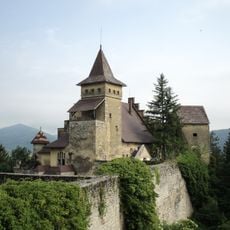
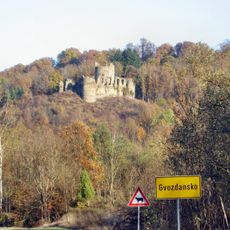
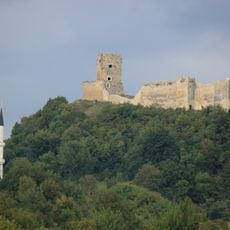
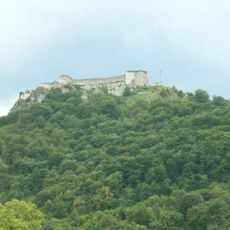
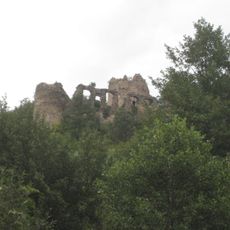
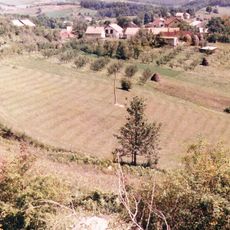
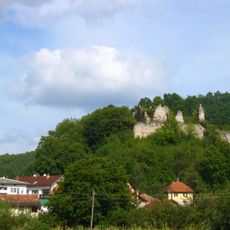
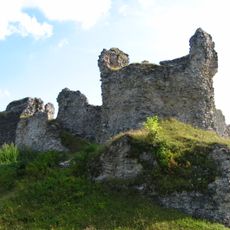
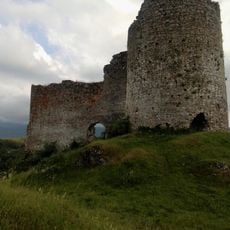
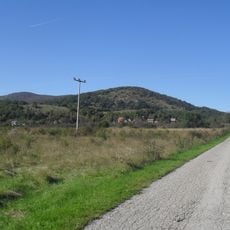
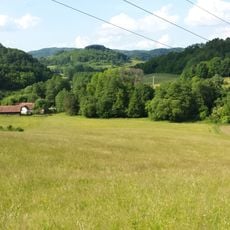
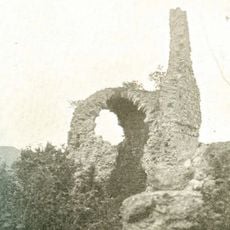
Krupa Castle is a fortified ruin set on elevated ground overlooking the valley below, with stone walls and foundations arranged in a pattern typical of medieval defense design. The remaining structures show construction methods adapted to the hillside terrain and positioned to monitor passage and movement across the landscape.
The parish of Krupa is first documented in 1072, and its centre, the castle, was built in the 13th century. It passed between Croatian noble families (Babonići, Ivaniš Korvin, Ivan Karlović, Zrinjski) and the Hungarian king. Ottoman forces took it on 23 June 1565 under Mustafa Sokolović; defender Matija Bakić was killed. Austrian troops besieged it in 1581, 1692 and 1716 without capturing it.
The name Krupa comes from the parish (župa) recorded in written traces from 1072, whose centre was this fortress. From 1565 a captain and a dizdar (governor) held the castle, and both offices stayed with the Badanjković or Badnjević family until the second half of the 18th century. A plaque above the town gate, still seen in 1884, recorded repairs of 1785 and was partly translated in the Kalendar Bošnjak of 1888.
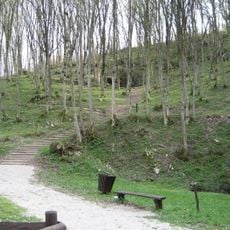
Visitors should wear sturdy footwear and take care on uneven ground, as the stone structures are weathered and potentially unstable in places. It is best to visit during daylight hours and allow time to navigate the steep approach and explore the various levels of the remaining walls safely.
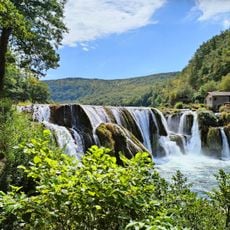
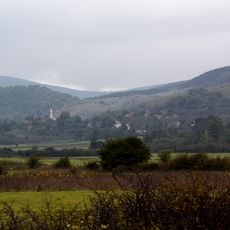
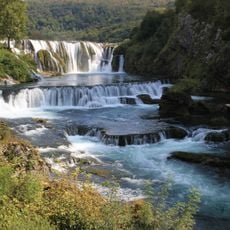
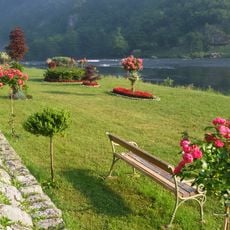
From the ruins, views sweep across the Una River and the mountains beyond, revealing why this hillside location was chosen to monitor and control the valley. Standing here, visitors can understand how the castle fit into the wider medieval defense network of the region.
The community of curious travelers
AroundUs brings together thousands of curated places, local tips, and hidden gems, enriched daily by 93,785 contributors worldwide.