Old Dhaka, Historic district in Dhaka, Bangladesh
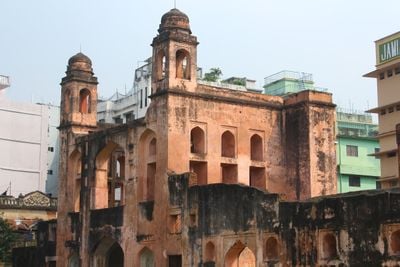
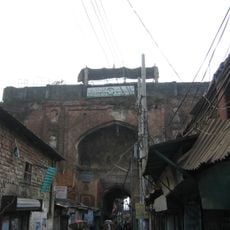
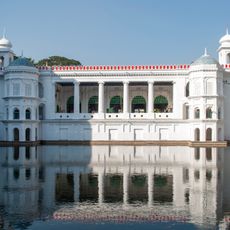
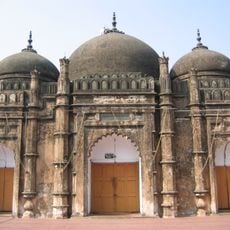
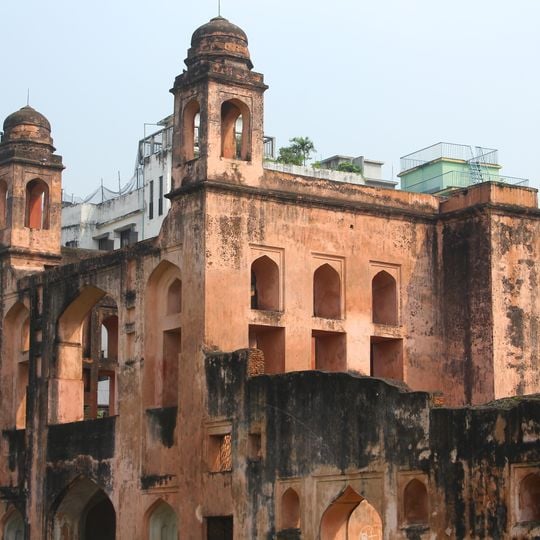
Old Dhaka is a historic district in Dhaka, Bangladesh, spreading along the banks of the Buriganga River through a maze of winding alleys. The buildings combine Mughal-era brickwork with colonial wooden houses and more recent concrete structures standing close together.
Dhaka was proclaimed the capital of the Bengal Subah in 1608, replacing Rajmahal, and Subahdar Islam Khan named the town Jahangirabad after Emperor Jahangir. The name was dropped soon after Jahangir's death. Murshid Quli Khan later moved the capital to Murshidabad, and Dhaka declined as Calcutta rose, becoming known as the "City of Magnificent Ruins" before the British began developing the modern city in the mid-19th century.
Shankhari Bazaar is a historically Hindu neighbourhood whose craftsmen make shakhari, the conch-shell instrument, and bangles from the same shells. Their shops are declining as buyers turn to cheaper bangles made from artificial shell. The area was declared a heritage site in 2013, a move that met resistance from residents who wanted to expand their buildings.
The Sadarghat river terminal offers ferry connections to other parts of the city and surrounding regions. Cycle rickshaws navigate through the narrow lanes that are often impassable for larger vehicles.
The Armenian Church in Armanitola served a community that settled in the neighbourhood in the 18th and 19th centuries. Pogose School, the first private school in Dhaka, was founded by the Armenian businessman Nicholas Pogose. The area also held a presence of the French East India Company at Farashganj, settled by the French in 1780.
The community of curious travelers
AroundUs brings together thousands of curated places, local tips, and hidden gems, enriched daily by 93,735 contributors worldwide.