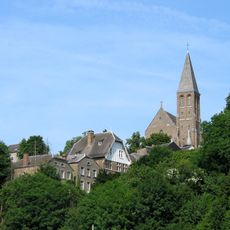
Roche aux Faucons, hill in Belgium
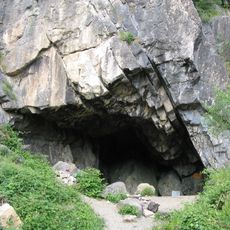
Roche aux Faucons is a limestone cliff on a hill in Neupré that rises approximately 120 feet (37 meters) above the Ourthe River. The formation features layered rock structures shaped over time by water erosion, creating small caves and karst features visible across its varied surfaces.
People inhabited this area during the Middle Stone Age, as evidenced by flint and quartzite tools found here and now kept in the Liège museum. Over centuries, the site became a natural landmark for travelers and served as an observation point for centuries.
The rocky outcrop has served as a landmark for local people and travelers for centuries, shaping how communities understand their surrounding landscape. Today, visitors experience this connection between nature and human history, whether through quiet walks or seasonal gatherings on the hillside.
The site is easy to reach via well-marked paths and suitable for visitors of all ages. The walking routes are straightforward and well-maintained, making exploration comfortable and accessible for everyone.
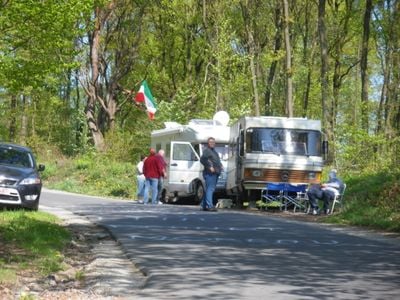
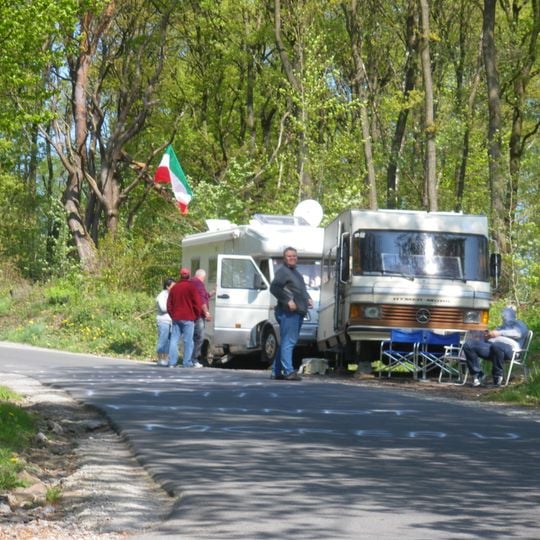
The name comes from the falcons that nested in the cliff until 1958, before disappearing from the area. Today, it is also known as a challenging climb on a famous bicycle race where cyclists test their endurance.
The community of curious travelers
AroundUs brings together thousands of curated places, local tips, and hidden gems, enriched daily by 91,272 contributors worldwide.