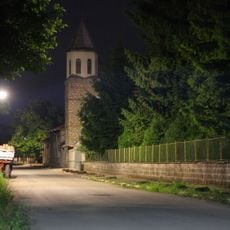
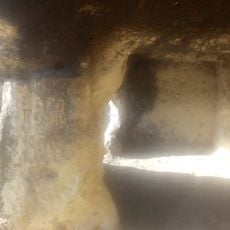
Shumen Fortress, Castle on the Shumen Plateau, Bulgaria.
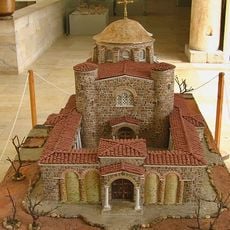
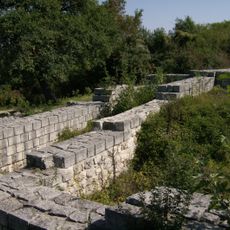
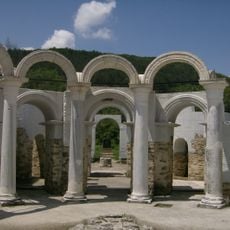
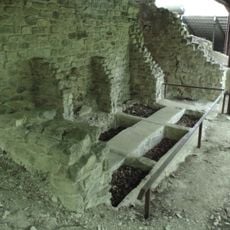
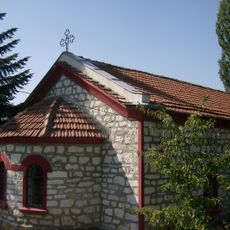
Shumen Fortress covers about 32 decares on a hill 2 km west of Shumen. Excavations from 1957 to 1987 uncovered three successive wall lines — Roman, early Byzantine and Second Bulgarian Empire — with rectangular, U-shaped, pentagonal and triangular towers, plus a citadel, an early Byzantine bath with a drainage channel, two reservoirs and 12 churches.
The site has been occupied since ancient times by different peoples including Thracians, Romans, and Byzantines before becoming a key Bulgarian military stronghold. Its importance lasted until the 15th century when it ceased to serve as a major defensive position.
The name Shumen likely dates from the 9th century, when a citadel was built for the town's governors. Excavations found 12 churches, including a cult centre with the foundations of four churches on one spot. The Shumen Inscription of Tsar Ivan Shishman records his visit and spells the town's name as it is written today.
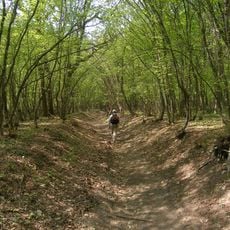
You can reach the fortress by road from the Tombul Mosque area and guided tours are offered in several languages. Wear comfortable shoes since the terrain is hilly and exploring involves considerable walking across the site.
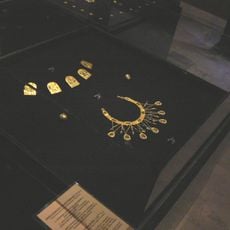
A bronze seal found here bears a double-headed eagle and belonged to Tsar John Alexander (r. 1331–1371). A limestone block carved with a double-headed eagle and a three-pointed crown may mark a ruler's visit. Excavations also uncovered a 13th-century wall inscription about Mongol raids.
The community of curious travelers
AroundUs brings together thousands of curated places, local tips, and hidden gems, enriched daily by 94,599 contributors worldwide.