Tombul Mosque, Ottoman mosque in Shumen, Bulgaria
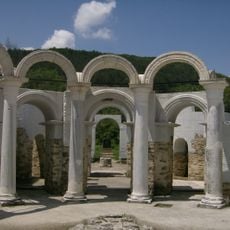
Tombul Mosque, officially the Sherif Halil Pasha Mosque, is the largest mosque in Bulgaria, covering a 1,730-square-metre complex in south-west Shumen. Its prayer hall is square in plan, 15 by 15 metres, rising through an octagon to a spherical dome 25 metres high, with a 40-metre minaret. An open vestibule with tall Moorish-style arcades and five domes leads into the hall, and a courtyard is ringed by twelve rooms that served as a madrasa boarding house.
Construction began in 1740 and finished in 1744, during the Ottoman era, when the mosque stood in Shumen's town centre; as the town grew, the centre shifted and the building now lies in the south-west of the city. The project was financed by Şerif Halil Pasha, born in Madara, a village 17 km east of Shumen. Before the Ottoman conquest a Christian place of worship stood on the site, and its church was converted into a mosque.
The name "Tombul" comes from the Turkish word for round or bulging, describing the shape of the dome. The prayer hall's walls and ceilings carry plant and geometric paintings with Arabic Qur'anic inscriptions; surveys in 2005 uncovered original frescoes that had been covered by later paintings.
Visitors should remove their shoes and wear appropriate clothing as a sign of respect when entering. It is best to check visiting times and remain quiet, especially during prayer times.
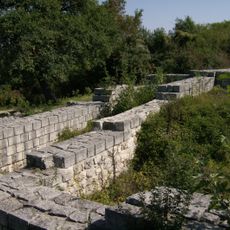
The four massive marble columns supporting the prayer hall were taken from the palace of the early Bulgarian khans at Pliska. Some scholars argue this means much of the Pliska palace ruins were still standing and visible when the mosque was built in the 1740s, and were destroyed or looted afterwards.
The community of curious travelers
AroundUs brings together thousands of curated places, local tips, and hidden gems, enriched daily by 94,039 contributors worldwide.