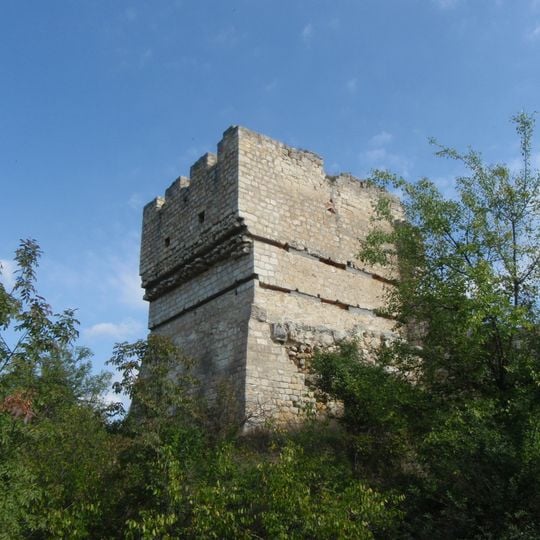
Cherven, Medieval fortress in Rusenski Lom, Bulgaria
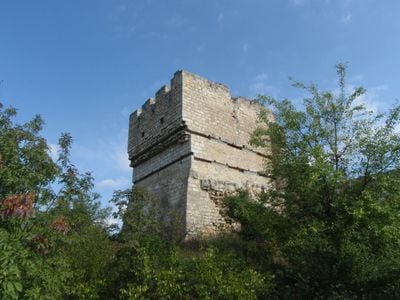
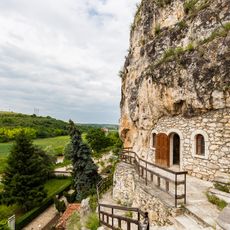
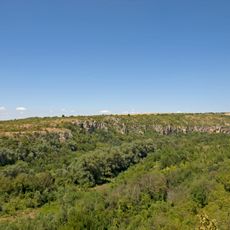
Cherven is a medieval fortress in northern Bulgaria, built on limestone cliffs above the Cherni Lom River. The site features stone walls, towers, and several levels of fortifications linked by passages and the remains of various structures.
Cherven succeeded a 6th-century Byzantine fortress and is first mentioned in an 11th-century Old Bulgarian apocryphal chronicle. In 1235 it became the seat of the Bulgarian Orthodox Bishopric of Cherven. A strong earthquake in 1230 caused a fire and widespread destruction, and in 1242 the retreating Mongol Golden Horde passed through the Rusenski Lom valley. Byzantine troops briefly took the town during the reign of Tsar Ivailo (1278–1280). The Ottoman Turks conquered it in 1388.
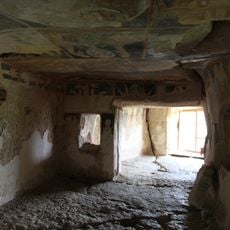
The name Cherven means "red" in Bulgarian; one explanation links it to Russian settlers who left a town of the same name in Galicia after the 13th-century Tatar invasion. From 1235 the town was the seat of the Cherven bishopric. Excavations have uncovered 13 churches and workshops of blacksmiths and goldsmiths, and a 14th-century church with murals of warrior saints.
The terrain is uneven and steep in places, so sturdy footwear is strongly recommended before setting out. Visiting during the warmer months makes the paths easier to walk and gives a clearer view over the surrounding landscape.
Underground water passages were carved into the limestone cliffs below the fortress to secure water supply during sieges. These tunnels reveal how carefully the whole settlement was planned well beyond just its walls and towers.
The community of curious travelers
AroundUs brings together thousands of curated places, local tips, and hidden gems, enriched daily by 93,543 contributors worldwide.