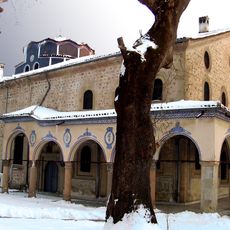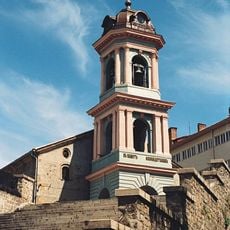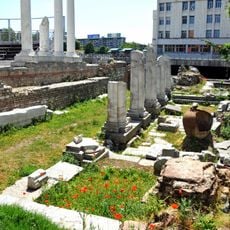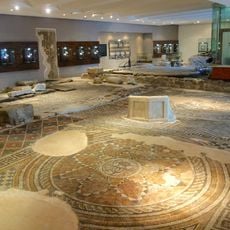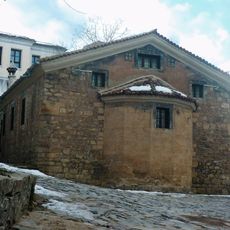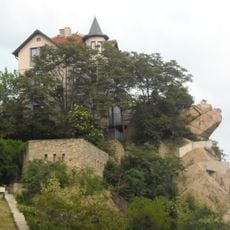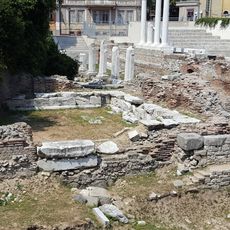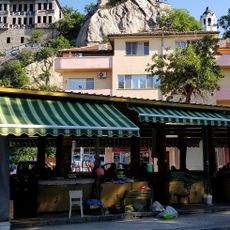
Philippopolis, Archaeological site in Plovdiv, Bulgaria.
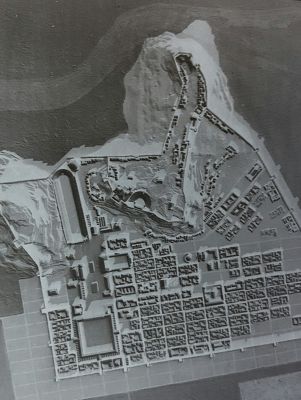
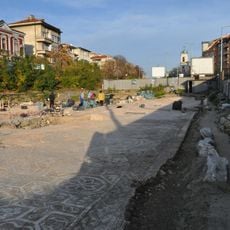
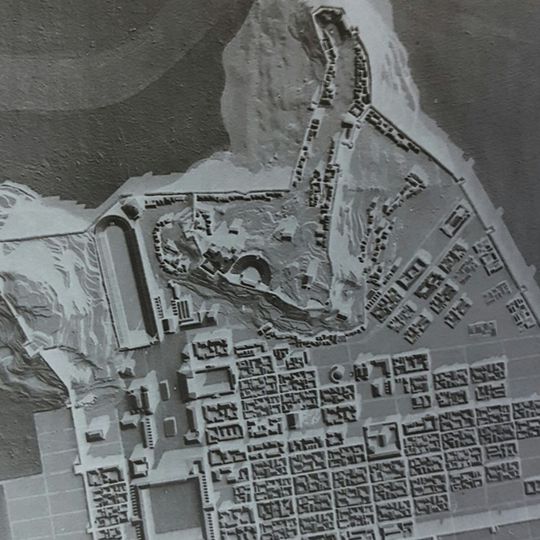
Philippopolis is an ancient settlement whose remains spread across three hills, revealing stone foundations, street layouts, and fortification walls built over many centuries. The site encompasses residential areas, commercial buildings, and public structures that illustrate urban life from antiquity through the medieval period.
In 342 BCE, King Philip II of Macedon fortified a Thracian settlement and renamed it after himself, making it a major regional power. The city then passed through Roman and Byzantine rule, with each period leaving its own architectural and cultural marks on the landscape.
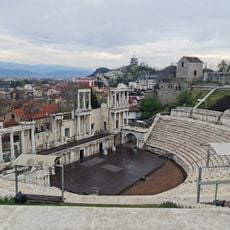
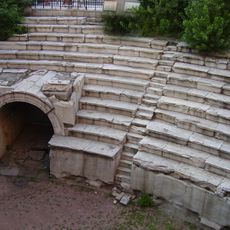
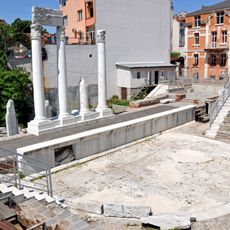
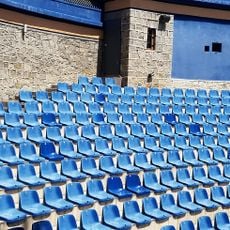
Visitors today can see how residents used the Roman-era theater for public gatherings and performances, which became the symbolic heart of the settlement. The remains of homes and shops around the hills reveal the rhythms of daily life across centuries.
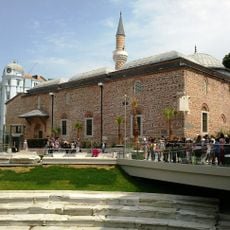
The site has marked walking paths and information panels in multiple languages to help you navigate the ruins. These pathways connect directly to Plovdiv's modern city center, making it easy to move between the ancient remains and contemporary urban life.
What often catches visitors off guard is the visible ancient water supply system made of ceramic pipes and reservoirs built during different construction phases. These engineering solutions reveal how the city managed to sustain its population across centuries of growth and change.
The community of curious travelers
AroundUs brings together thousands of curated places, local tips, and hidden gems, enriched daily by 91,600 contributors worldwide.