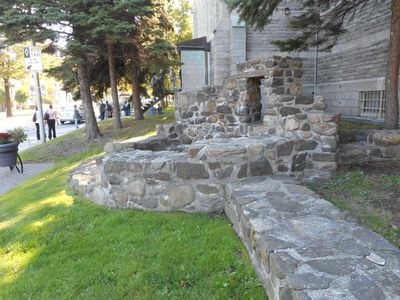
Fort Longueuil, Archaeological site and national historic fort in Le Vieux-Longueuil, Canada.
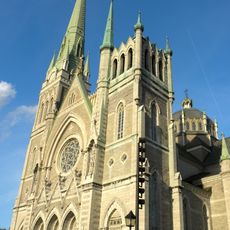
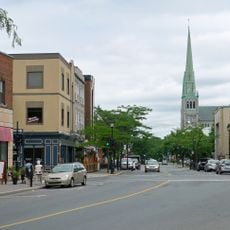
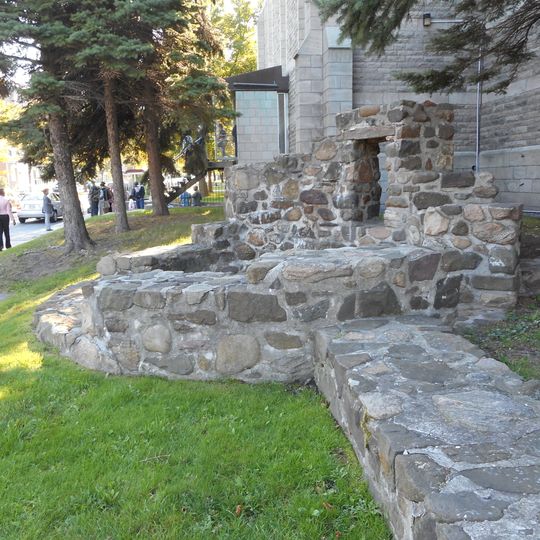
Fort Longueuil is an archaeological site of a former military outpost that included guard houses, a chapel, and residential buildings, with remains lying beneath the present Saint-Antoine-de-Padoue Cathedral. The ruins extend under the modern city center of Longueuil and can be partially viewed through designated viewing points.
Charles Le Moyne de Longueuil built the fort between 1685 and 1690 as a defensive structure against Iroquois raids during French colonization of the region. The fortification served as a crucial outpost for protecting French colonial interests.
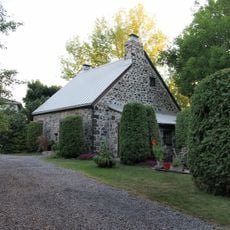
The fort represents French colonial building styles from Quebec, with architectural elements later incorporated when the Saint-Antoine-de-Padoue Cathedral was built in the late 1880s. Visitors can trace this connection between the early military structure and the religious building that followed.
The archaeological remains can be viewed through a window in the floor of a Royal Bank of Canada branch located in the downtown area. This viewing point is easily accessible during regular business hours for those passing through the city center.
Charles Le Moyne became the only Canadian-born person ever elevated to the rank of Baron by a French monarch, receiving this honor in 1700. This rare distinction highlighted his importance in shaping French colonial expansion in North America.
The community of curious travelers
AroundUs brings together thousands of curated places, local tips, and hidden gems, enriched daily by 90,871 contributors worldwide.