Sable Island National Park Reserve, National park reserve on an isolated island, Nova Scotia, Canada.
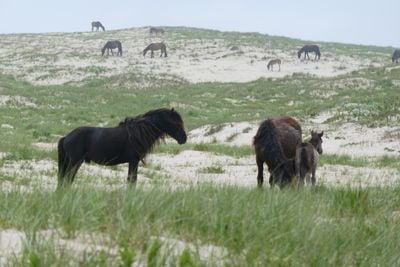
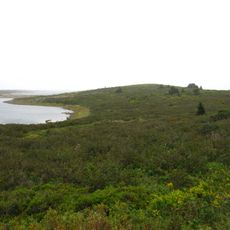
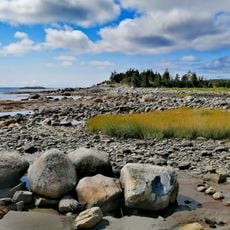
Sable Island National Park Reserve is a protected area on an isolated island off the coast of Nova Scotia. The island extends roughly 42 kilometers and features sand dunes shaped by ocean currents and coastal processes.
Sable Island was first sighted by Portuguese explorer João Álvares Fagundes in 1520–1521. In 1801 Nova Scotia's governor John Wentworth set up life-saving stations, and James Morris settled there with his family, starting a continuous human presence. The island passed to the federal government at Canadian Confederation in 1867, and on 17 October 2011 it was officially declared a national park.
The island's name comes from the French île de Sable, "island of sand". Its reputation for wrecks drew the "wreckers", salvagers accused of luring ships onto the sand bars; in 1801 Lieutenant Governor John Wentworth sent Seth Coleman to remove a man and woman living there for that practice. The first recorded wreck was the English ship Delight in 1583.
Access requires advance permission from Parks Canada, with travel limited to guided tours and charter flights. Weather on the open ocean changes quickly, so visitors should bring warm layers and plan for variable conditions.
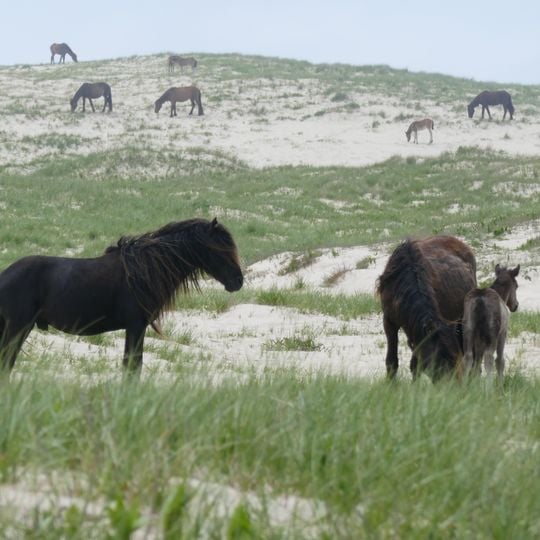
The island's horse population is estimated at 375, not over 550. Only horses remain of the livestock introduced from the 16th century onward; cattle, goats and rabbits are gone. Sand shifts sometimes expose remains of Atlantic walruses that once lived in the region.
The community of curious travelers
AroundUs brings together thousands of curated places, local tips, and hidden gems, enriched daily by 92,726 contributors worldwide.