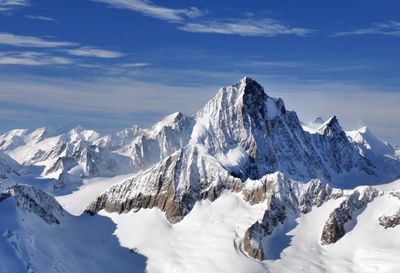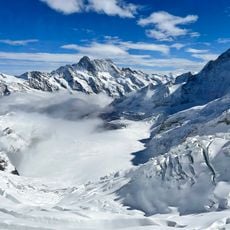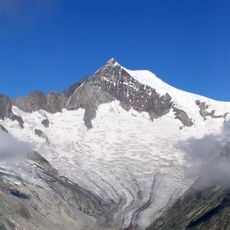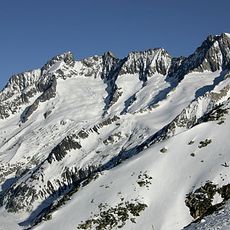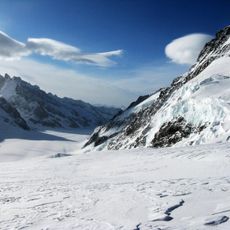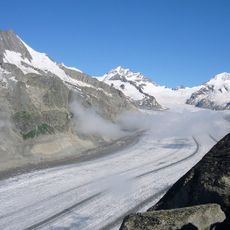
Jungfrau-Aletsch protected area, World Heritage Site in Bern and Valais cantons, Switzerland.
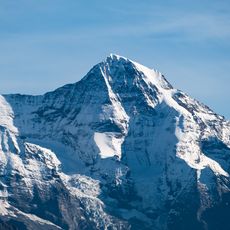
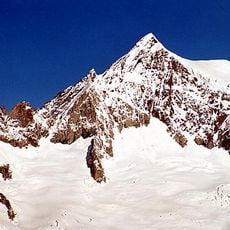
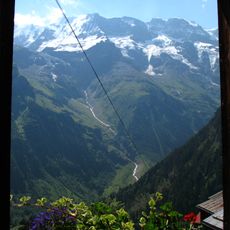
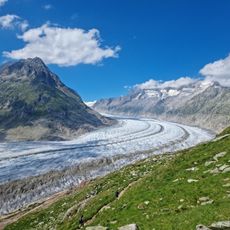
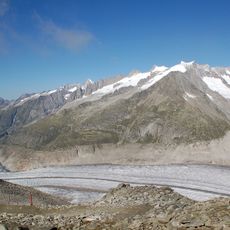
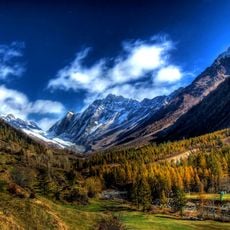
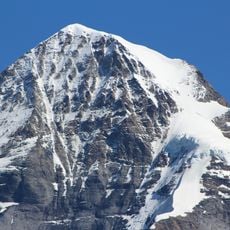
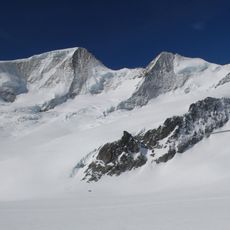
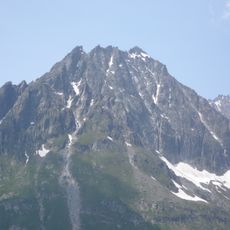
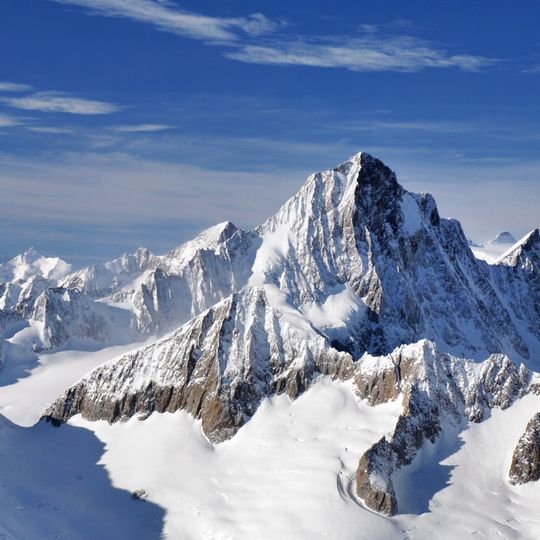
The Jungfrau-Aletsch protected area covers 82,388 hectares between the Bernese Oberland and north-eastern Valais, from the Oeschinensee to the Grimselsee. Its highest point is the Finsteraarhorn at 4,270 m, one of nine summits above 4,000 m. The Aletsch Glacier runs 23 km and reaches 900 m thick at Konkordiaplatz; glaciers and bare rock make up 80% of the site.
Designated as a UNESCO World Heritage Site in 2001, this region became the first natural heritage site in the Alps to receive this recognition, with its glacial formations and mountain landscapes shaped over thousands of years through glacial erosion and climatic conditions.
Local Alpine communities maintain centuries-old traditions of mountain farming and dairy production, while the region serves as an important center for mountaineering heritage, scientific research, and environmental education, reflecting Switzerland's commitment to preserving natural landscapes.
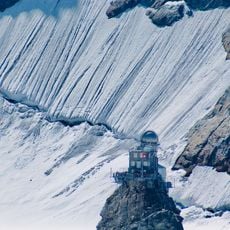
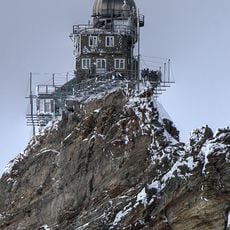
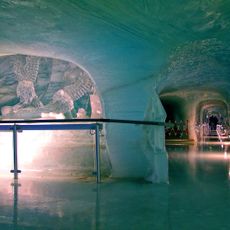
Visitors can access the area via the Jungfrau Railway, which reaches Jungfraujoch at 3,454 meters above sea level, known as the 'Top of Europe,' with guided tours available for geology and glaciology education, though weather conditions should be checked before traveling due to rapid mountain climate changes.
The Aletsch Forest above the glacier grew on moraine left after the ice reached its greatest extent in 1850, and it holds the oldest tree in Switzerland. The site also shelters the western green lizard alongside the Alpine ibex, and biologists have proposed reintroducing the bearded vulture here.
The community of curious travelers
AroundUs brings together thousands of curated places, local tips, and hidden gems, enriched daily by 94,125 contributors worldwide.