Taï National Park, Rainforest national park in Montagnes District, Côte d'Ivoire
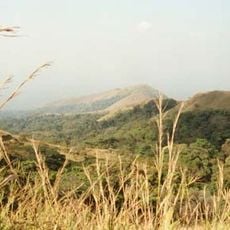
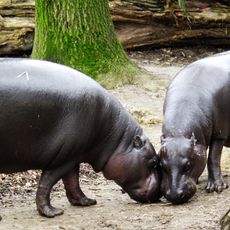
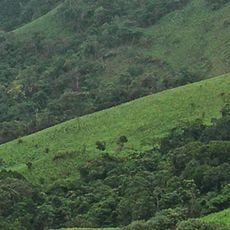
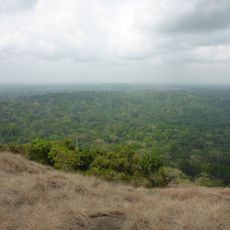
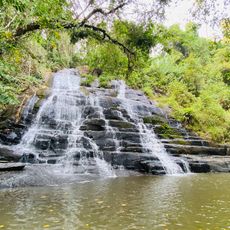
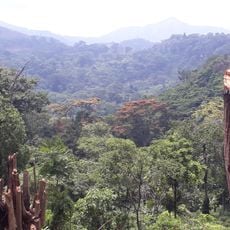
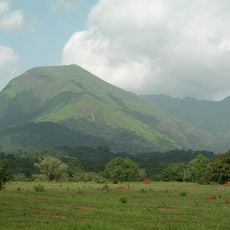
Taï National Park is one of the last remaining areas of primary tropical rainforest in West Africa, in Côte d'Ivoire's Montagnes District. It is the largest such forest in West Africa after Sapo National Park in Liberia. Its plant life is rich, and it shelters threatened mammals such as the pygmy hippopotamus and eleven species of monkey.
Taï National Park was first protected as a forest reserve in 1926, became a national park in 1972, and was inscribed on the UNESCO World Heritage list in 1982 for its plant and animal diversity. It is the last major remnant of primary tropical forest in West Africa, second in extent only to Sapo National Park in Liberia.
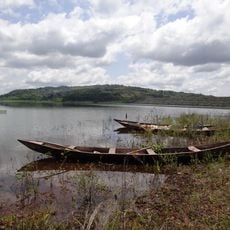
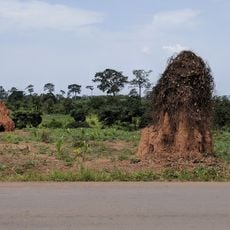
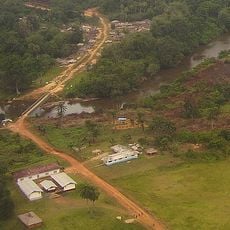
The park lies in the territory of the Guéré and Oubi peoples, who live in villages along its western and southern edges. The forest also holds the Taï Monkey Project, a long-term research station where scientists have studied the park's chimpanzees since the 1970s. Visitors pass villages and research camps on the approach roads.
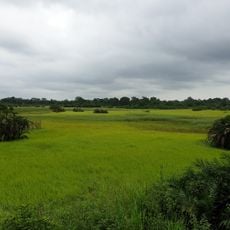
The northern section is drier from November through March and easier to navigate, while the southern area stays wet year-round with heavy rainfall. Visitors should wear sturdy footwear and prepare for slippery, muddy conditions, especially in the wetter months.
The park is home to five critically endangered mammal species found nowhere else in such concentration, including pygmy hippopotamuses and Jentink's duikers. The chimpanzee populations here have passed down tool-use skills across generations, making them unusual among African primates.
The community of curious travelers
AroundUs brings together thousands of curated places, local tips, and hidden gems, enriched daily by 92,774 contributors worldwide.