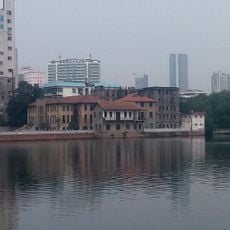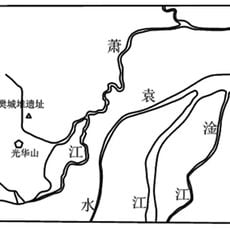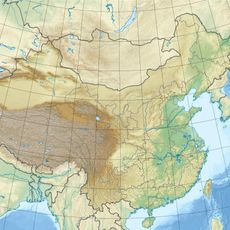
Dayangzhou, Archaeological excavation site on Gan River in Xin'gan County, China
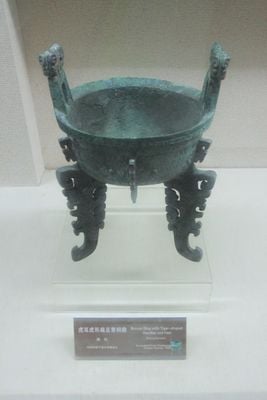
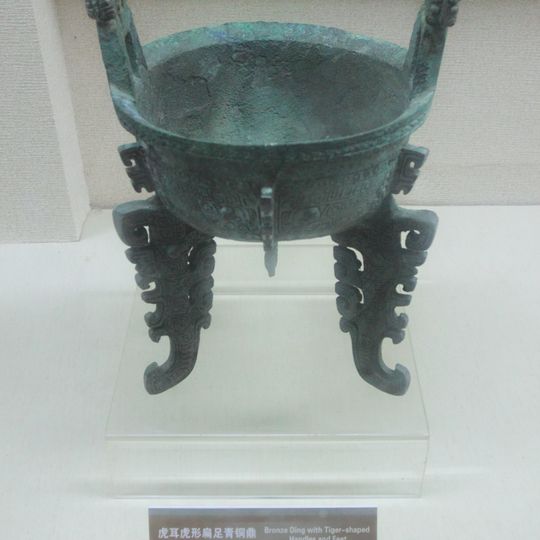
Dayangzhou is an archaeological excavation site on the Gan River where a rectangular tomb containing over 480 bronze artifacts and around 1000 jade objects was uncovered in 1989. The findings date from the second millennium BCE and demonstrate the advanced craftsmanship of this early civilization.
The site dates from the 12th century BCE and ranks among the most important ancient burial sites in China. It holds the second largest collection of ancient Chinese burial goods, surpassed only by Fu Hao's tomb.
The bronze vessels show techniques from the Erligang culture adapted into regional patterns, revealing how local metalworkers developed their own style.
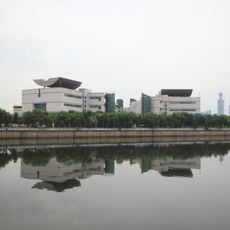
The archaeological discoveries can be viewed in exhibition spaces at the Jiangxi Provincial Museum rather than at the original excavation site. Visitors should note that detailed information about excavation methods and conservation techniques is also available there.
Sand movements at the excavation location damaged the skeletal remains in the coffin, prompting researchers to reconsider their original assumptions about burial practices. This discovery contributed to better understanding how river environments affect preservation.
The community of curious travelers
AroundUs brings together thousands of curated places, local tips, and hidden gems, enriched daily by 91,051 contributors worldwide.