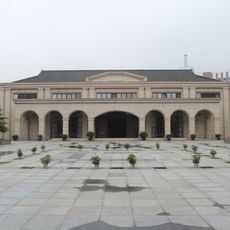
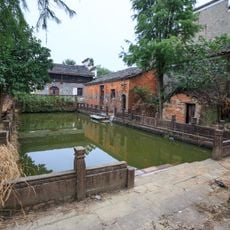
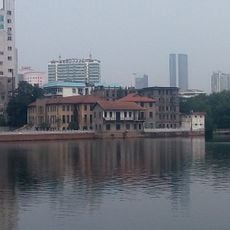
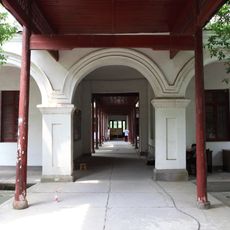
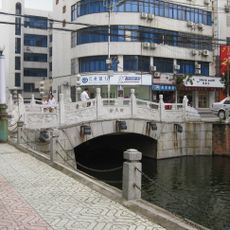
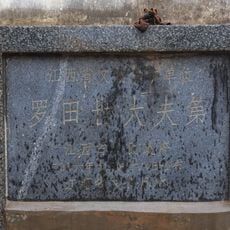
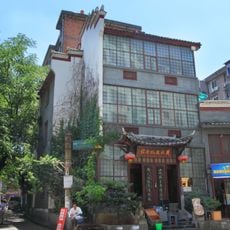
Badashanren ji nian guan, Art museum in Qingyunpu, Jiangxi, China
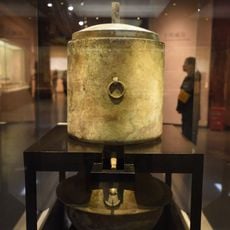
Badashanren Memorial Hall is an art museum in Qingyunpu devoted to showcasing paintings, calligraphy, and personal objects from a significant Chinese artist whose work shaped regional aesthetics. The galleries display original pieces and historical documents from the Ming and Qing periods, arranged to trace the artist's development across different life phases.
The artist lived through a major transition as the Ming Dynasty ended and Qing rule began, a shift that profoundly shaped his life choices and artistic direction. The memorial hall was established in 1959 to preserve his legacy and ensure his place in Chinese art history.
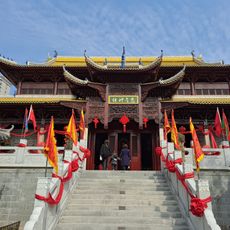
The name Badashanren is a pseudonym of Zhu Da, a ninth-generation descendant of Zhu Quan, the 16th son of the Ming founder Zhu Yuanzhang. The hall occupies the Qingyun Pu, a Taoist temple where Zhu Da lived as a hermit after the Ming fell. Its name is not a reference to mountains; the site was renamed Qingyun Pu under the Shunzhi emperor and the character pu was changed to pu in the Kangxi reign.
The museum is easiest to visit in the morning when fewer people are present and you have time to look closely at the works. The gallery spaces are straightforward to navigate, with labels and information that help you understand what you are seeing.
The artist experienced an unusual life transformation, abandoning royal status to become a monk, a shift that deeply influenced his artistic output and perspective. This personal journey of spiritual change is visible in many of his works and gives his pieces special resonance for visitors who learn about it.
The community of curious travelers
AroundUs brings together thousands of curated places, local tips, and hidden gems, enriched daily by 93,849 contributors worldwide.