Yunfu, prefecture-level city in Guangdong, China
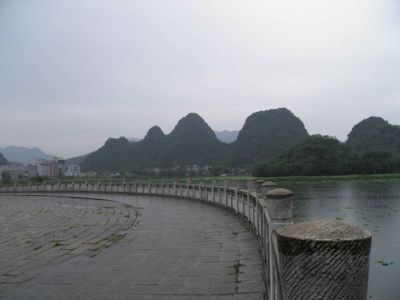
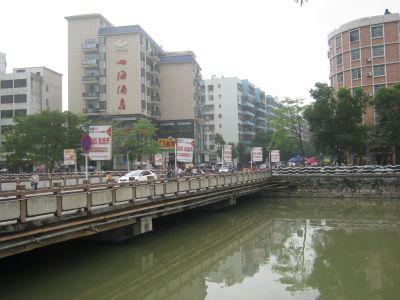
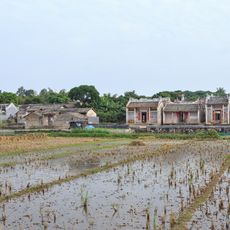
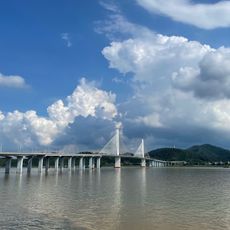
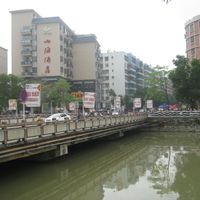
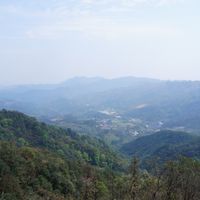
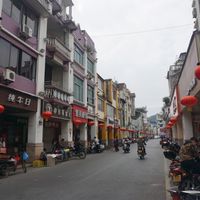
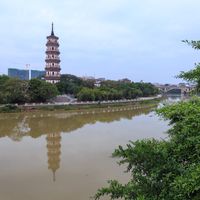
Yunfu is a large city in southern Guangdong province, covering hilly and mountainous terrain surrounded by forests and trees. The city is crossed by the Xi River and features neighborhoods with narrow streets full of shops selling vegetables, fruits, and local products, alongside modern commercial areas and public spaces.
The city was founded during the Tang Dynasty around 1400 years ago under the name Yunfu Shire. It underwent several name changes over centuries, becoming Dong'an County during the Ming Dynasty and reverting to Yunfu County in 1914, marking different phases of its administrative development.
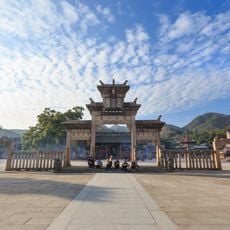
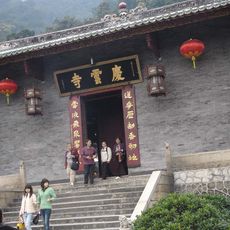
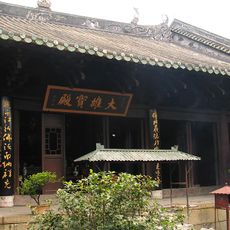
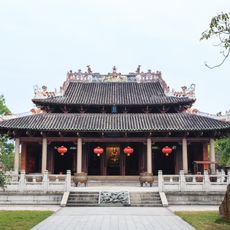
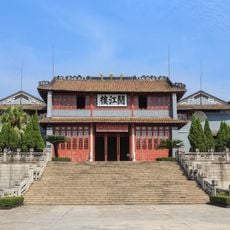
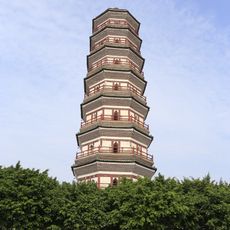
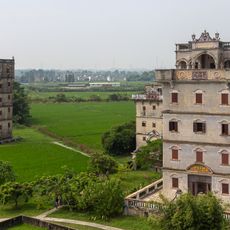
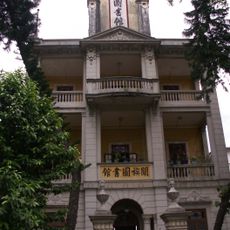
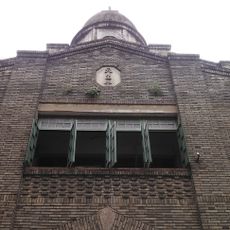
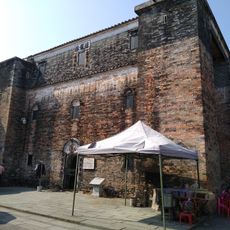
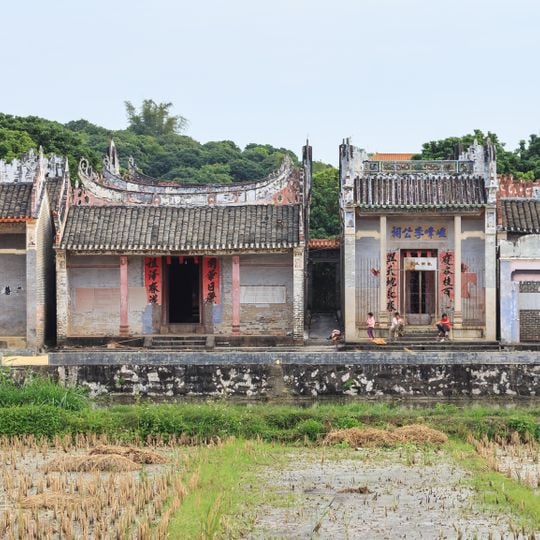
Yunfu serves as an important center for Guangdong's local culture and traditions, shaped by its long history as an administrative hub. Walking through the streets, you notice traditional temples and architecture mixed with daily markets where locals gather to buy food and goods, creating a blend of old customs and everyday rhythms.
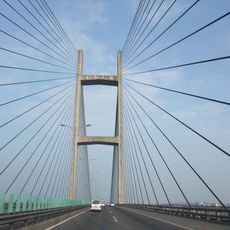
The city is well connected by regular buses and a train station offering connections to nearby cities like Guangzhou and Foshan, while local buses link different neighborhoods together. Walking and cycling are common ways to get around, making these options practical for visitors exploring the streets.
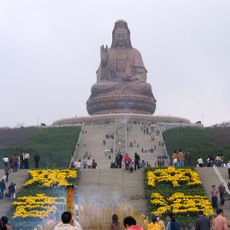
The city is famous for its large deposits of pyrite and sulfur production, earning it the nickname China's stone capital. It is also the hometown of Hui Neng, a Zen monk who became the sixth patriarch of Chan Buddhism, a spiritual legacy that still draws visitors interested in Buddhist history.
The community of curious travelers
AroundUs brings together thousands of curated places, local tips, and hidden gems, enriched daily by 91,305 contributors worldwide.