Siberian High, Atmospheric high pressure system in Siberia, Russia
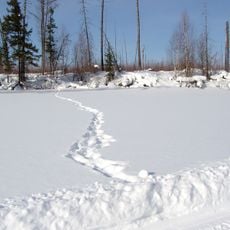
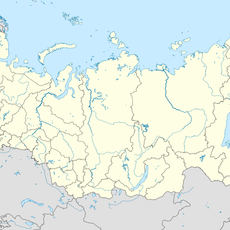
The Siberian High is a massive high-pressure system that forms over northeastern Eurasia during winter months. It develops through intense heat loss from snow-covered ground and creates extreme cold and dense air masses across the region.
This high-pressure system developed through natural atmospheric processes over millennia and has been scientifically studied since the 1800s. Precise measurement of its strength began with the establishment of weather stations across the Siberian region.
The presence of this winter anticyclone influences daily life across Siberia, determining agricultural schedules and traditional winter preparation methods.
This high-pressure system influences weather patterns from September through April and determines temperatures and wind directions across large areas of northern Asia. Understanding its behavior is important for long-range forecasts and planning activities in cold climates.
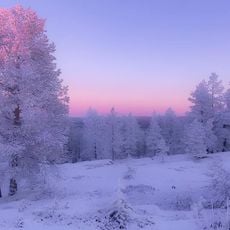
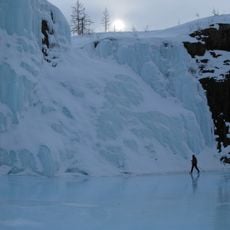
This high-pressure system produces colder air masses than the Arctic itself because snow-covered ground radiates heat more intensely than pack ice. This difference makes the Siberian basins among the coldest places in the northern hemisphere.
The community of curious travelers
AroundUs brings together thousands of curated places, local tips, and hidden gems, enriched daily by 92,219 contributors worldwide.