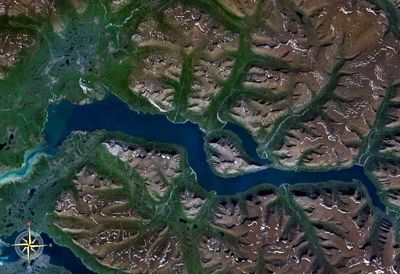
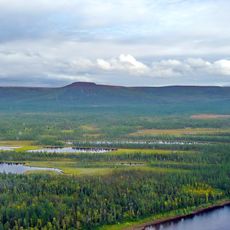
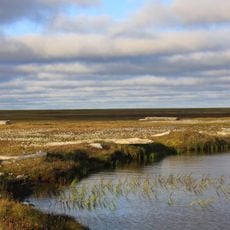
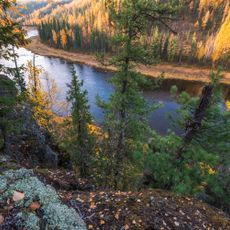
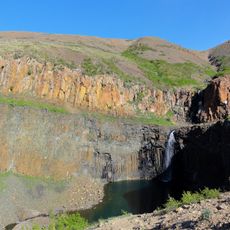
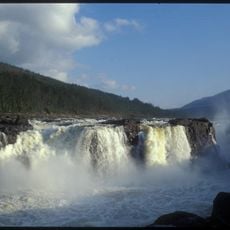
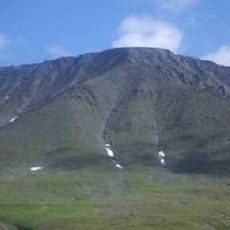
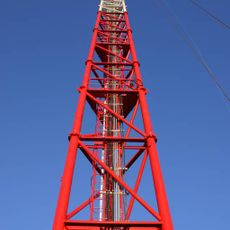
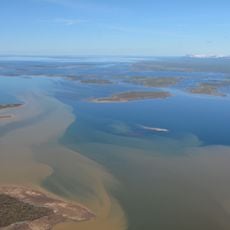
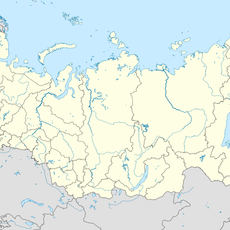
Lake Lama, Glacial lake in Taymyrsky Dolgano-Nenetsky District, Russia.
Lake Lama extends roughly 80 kilometers in length and reaches depths of up to 600 meters, making it one of the largest water bodies in northern Siberia. The water connects with several rivers and forms a complex network of bays and islands.
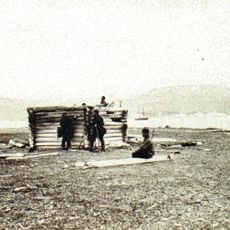
Russian scientists conducted the first comprehensive survey of the lake in the 1920s and documented its geographical features. These early expeditions laid the foundation for understanding this remote region of Siberia.
The name comes from the Tungusic word 'laamu', meaning sea or ocean, reflecting how indigenous peoples perceived this vast water body. This naming tradition shows the deep connection between the lake and the region's traditional communities.
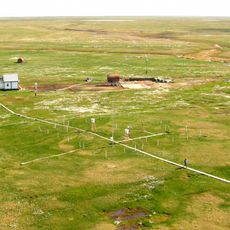
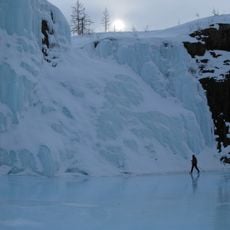
The area is remote and typically visited by experienced expedition teams who must prepare for the harsh tundra conditions. The best time to travel is during the short summer when the water is ice-free and daylight extends for many hours.
Near the lake, archaeologists found traces of ancient metalworking sites showing that people processed metal thousands of years ago. These discoveries suggest that this remote region has a longer history of human presence than often assumed.
The community of curious travelers
AroundUs brings together thousands of curated places, local tips, and hidden gems, enriched daily by 60,000 contributors worldwide.