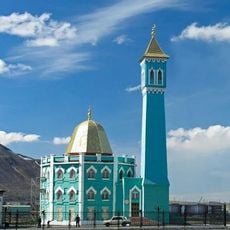
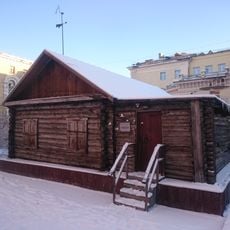
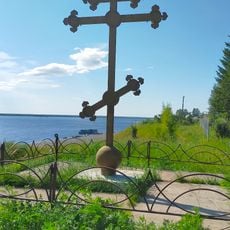
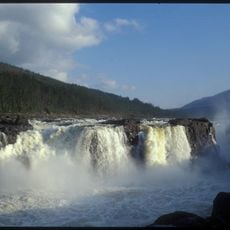
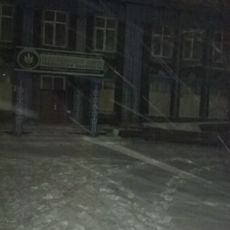
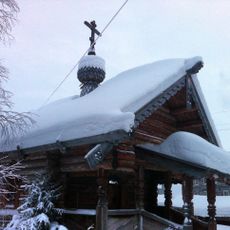
Permafrost Museum, Permafrost museum in Igarka, Russia
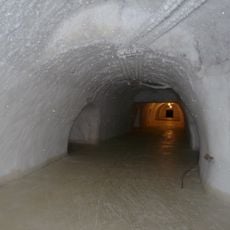
The Permafrost Museum in Igarka is an underground facility dug into the permanently frozen ground of the Russian Arctic, with a network of tunnels and chambers carved directly into the frozen earth. The site functions both as a research space and a public museum, giving visitors access to the frozen layers beneath the surface.
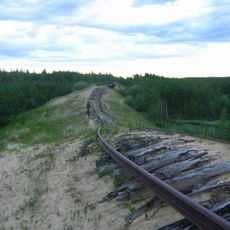
The site began as a research laboratory in 1936, founded to study the frozen ground of the region, and was later opened as a public museum in 1965. Its tunnels also contain records tied to a railroad project ordered under Stalin and abandoned after his death in 1953.
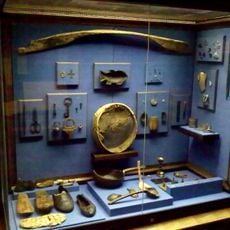
The museum's name comes from the frozen ground it occupies, and its halls hold exhibitions on the indigenous peoples of the North and on the local artists' work. A children's House of Crafts attached to the exhibition centre teaches crafts to local children, and staff mark Earth Day on 22 April, Water Day on 22 March and Animal Day on 4 October.
The underground section is reached by prior arrangement; tours are booked in advance and no more than 20–30 people can be inside at once. The museum opens six days a week, 9:00–17:00, closed Saturday, and weekend visits require a request submitted beforehand. Guides are available in English and German for foreign visitors.
In one underground hall, scientists left a capsule of newspapers in 1950, to be opened in 2045. The corridor walls also expose larch trunks frozen in place for more than 36,000 years, and the collection includes ice samples about 50,000 years old.
The community of curious travelers
AroundUs brings together thousands of curated places, local tips, and hidden gems, enriched daily by 94,131 contributors worldwide.