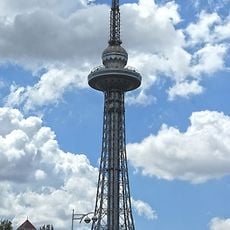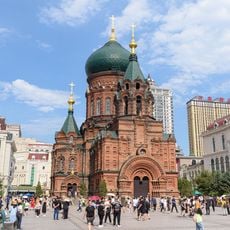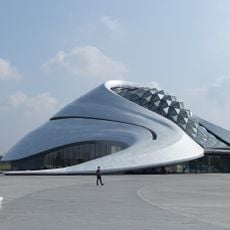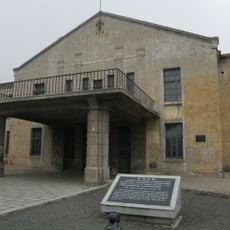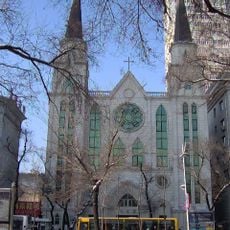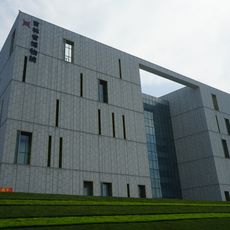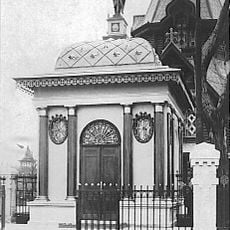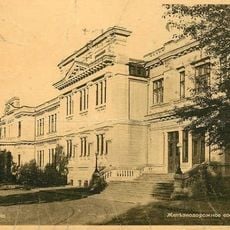
Manchuria, Historical region in Northeast China and Russian Far East
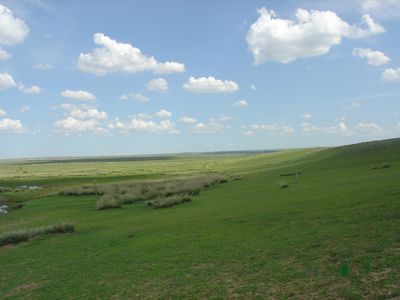
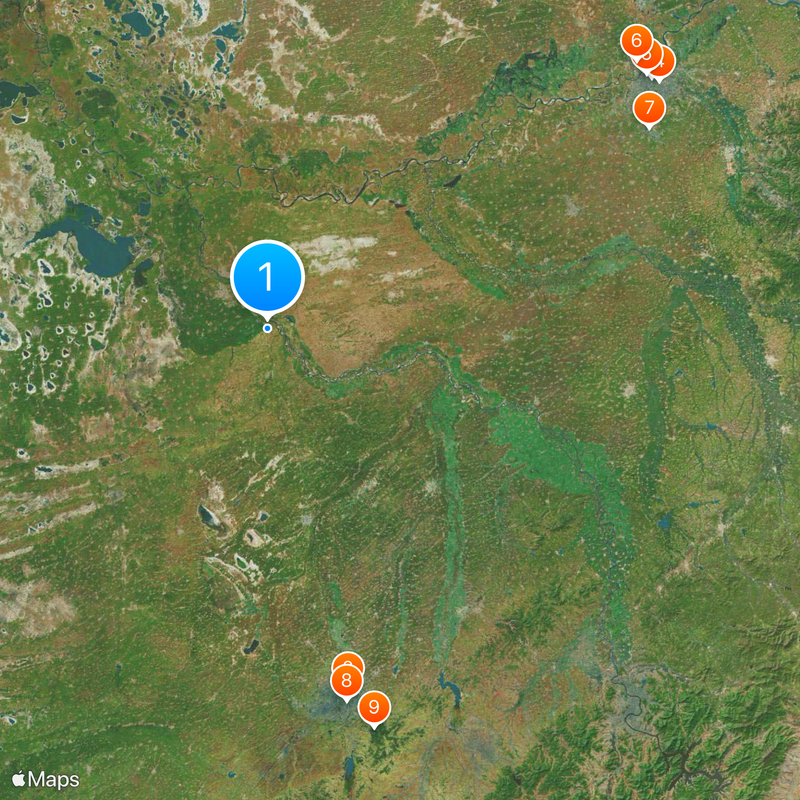
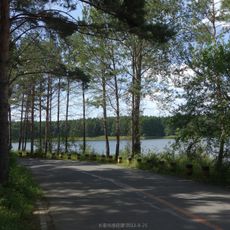
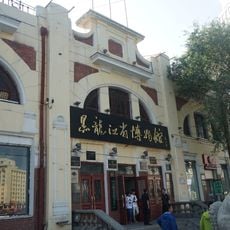
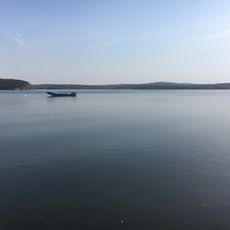
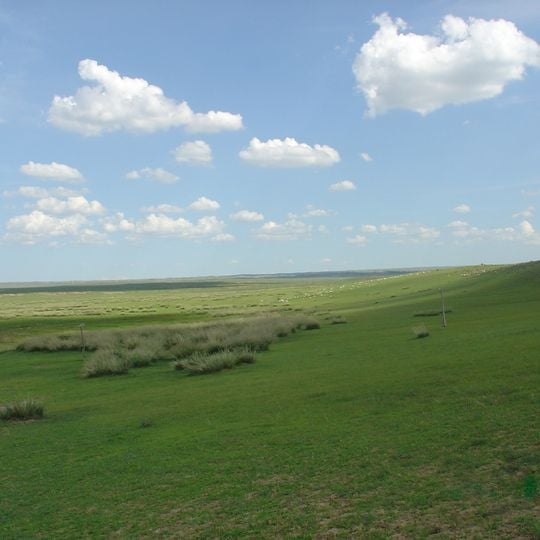
Manchuria is a historical region stretching between the Greater Khingan Mountains in the west and the Pacific coast in the east, covering large parts of Northeast China and the Russian Far East. The territory consists of dense forests, wide steppes and major river valleys crossed by waterways such as the Amur and the Songhua.
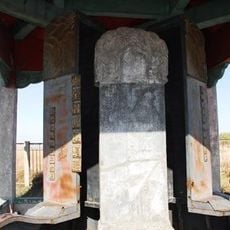
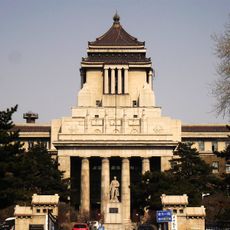
The area became home to the Qing Dynasty in the 17th century, which ruled China from here until 1912. The Treaty of Beijing in 1860 divided the territory between China and Russia, creating the terms Inner and Outer Manchuria.
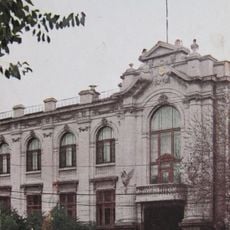
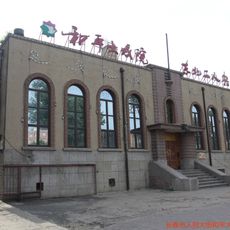
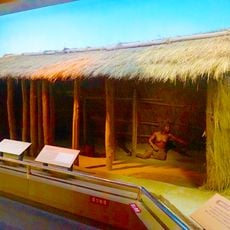
The Manchu, whose homeland this is, still preserve their language and traditions in several communities across Northeast China today. Travelers can experience their cultural influence through local cuisine, architecture and traditional festivals, especially in rural areas along the border regions.
The territory includes the Chinese provinces of Heilongjiang, Jilin and Liaoning, as well as parts of Inner Mongolia and the Russian Far East. Travelers will find both urban centers with good infrastructure and remote rural areas that require more travel time and preparation.
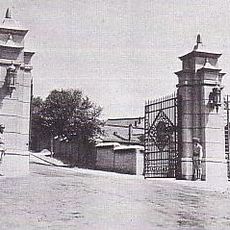
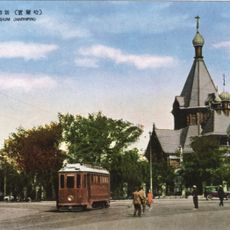
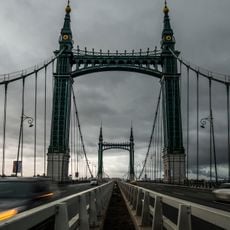
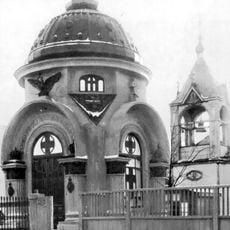
The Chinese Eastern Railway, built between 1897 and 1902, connected the Trans-Siberian Railway to the ports of Vladivostok and Dalian, turning the area into a major transport hub. Many historic stations and bridges from that period still stand today and can be visited along the old route.
The community of curious travelers
AroundUs brings together thousands of curated places, local tips, and hidden gems, enriched daily by 92,437 contributors worldwide.