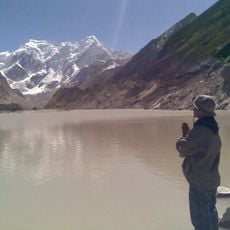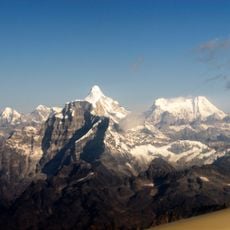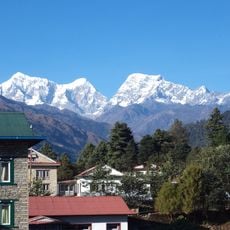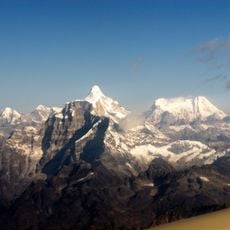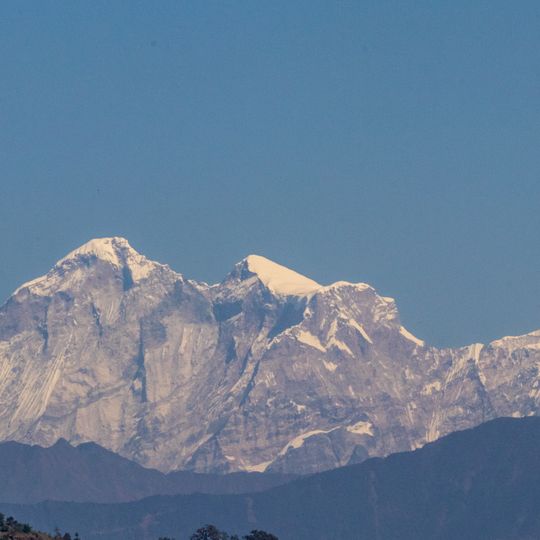
Gauri Sankar, Mountain peak in Rolwaling Himal, Nepal and Tibet Autonomous Region
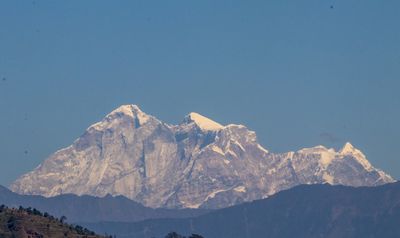
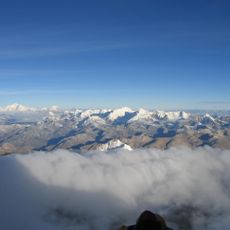
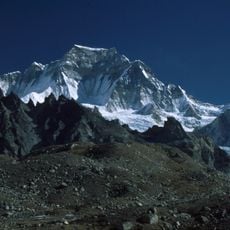
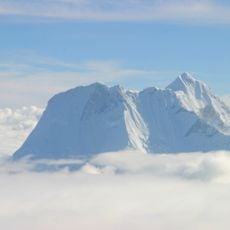
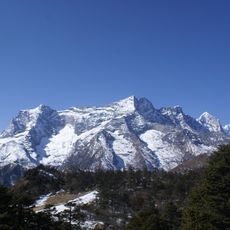
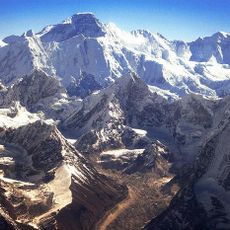
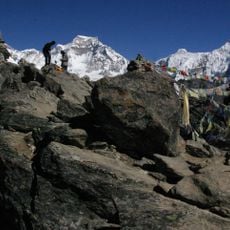
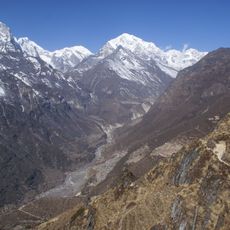
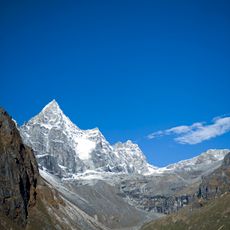
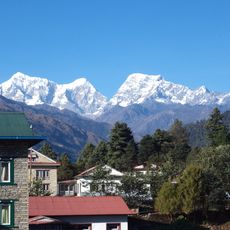
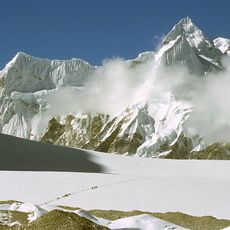
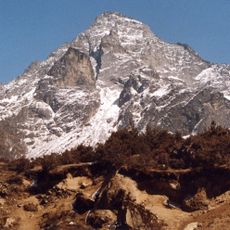
Gauri Sankar is a mountain massif in the Rolwaling Himal with two prominent peaks, both rising above 7,000 meters. The slopes drop steeply and are capped with pronounced corniced ridges that encircle the formation on all sides.
The mountain went unclimbed until 1979, when an American-Nepalese expedition successfully reached the summit via the technically demanding West Face. This achievement highlighted the extreme difficulties posed by the terrain and its complex conditions.
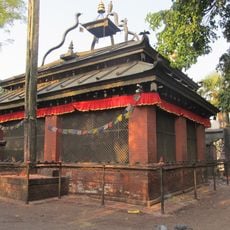
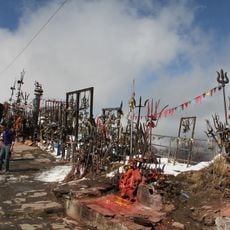
The mountain's name draws from Hindu traditions, with the northern peak representing Lord Shiva and the southern summit symbolizing the goddess Gauri. Local communities hold the mountain in spiritual regard, and these religious connections shape how people relate to the place.
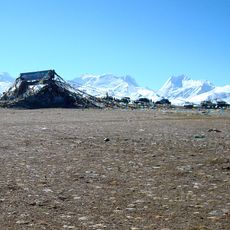
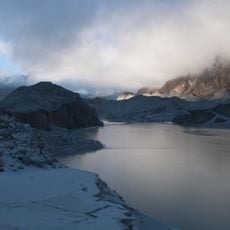
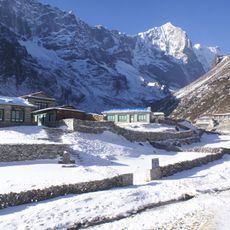
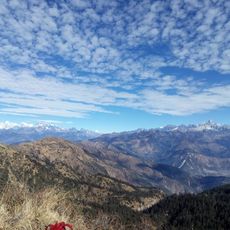
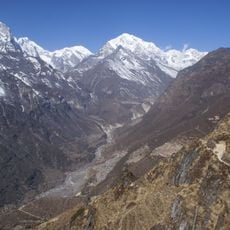
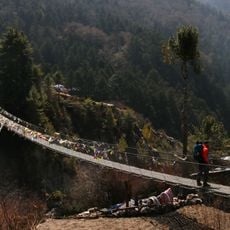
The area surrounding the peak is remote and requires careful planning and physical conditioning before attempting any approach. Access involves trekking through alpine terrain that can quickly shift to severe weather and challenging conditions.
The meridian of this peak determines Nepal's standard time and establishes the GMT+05:45 time zone for the entire country. This geographic role creates an unexpected link between a remote mountain and the timekeeping of an entire nation.
The community of curious travelers
AroundUs brings together thousands of curated places, local tips, and hidden gems, enriched daily by 92,188 contributors worldwide.