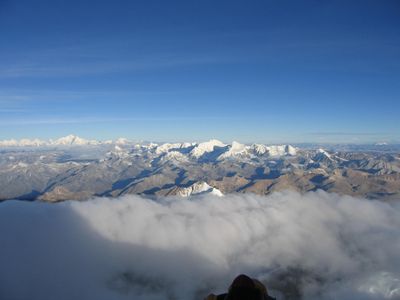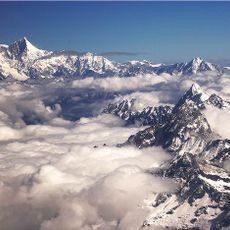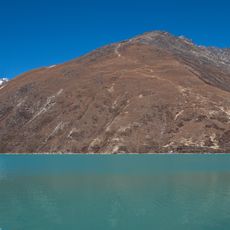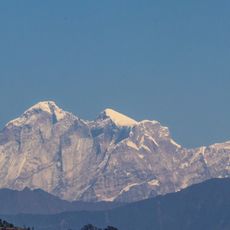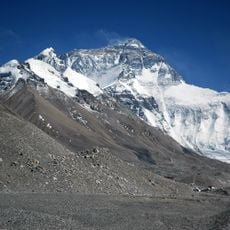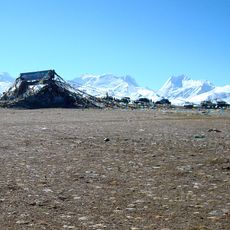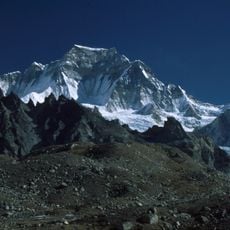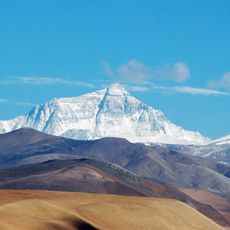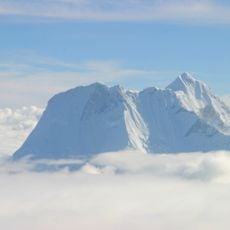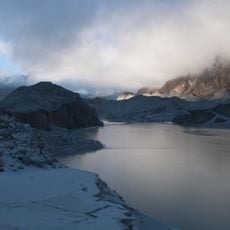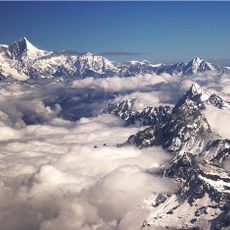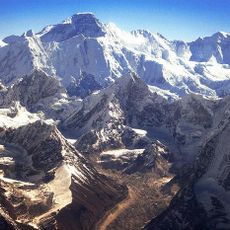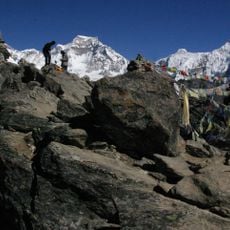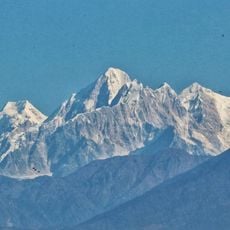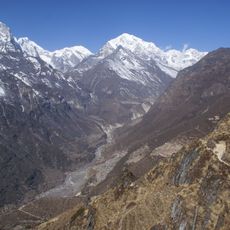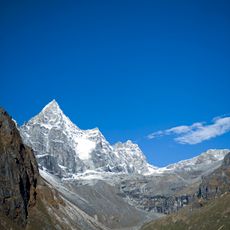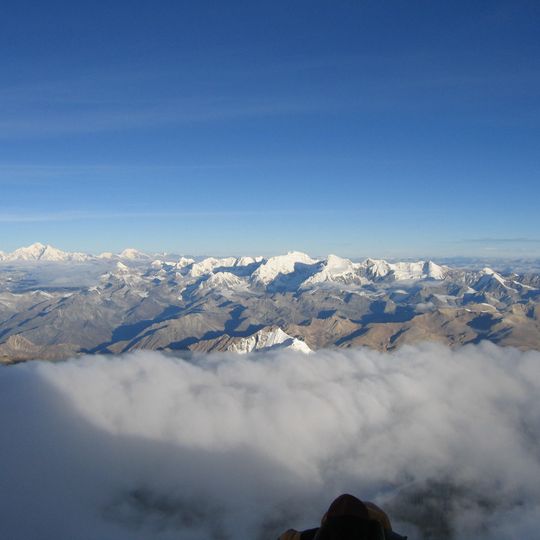
Labuche Kang, Mountain summit in Tibet Autonomous Region, China.
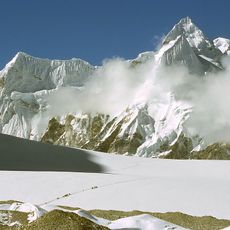
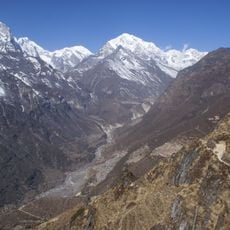
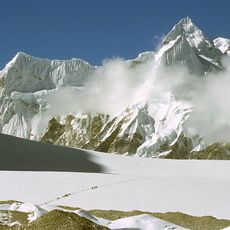
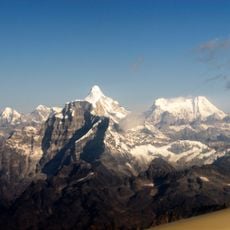
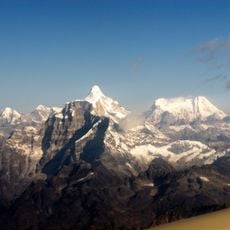
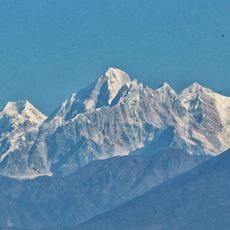
Labuche Kang is a high mountain peak in the Tibetan Himalaya standing at 7,367 meters elevation. The peak features steep rock faces and glaciers that hold snow year-round, rising above the surrounding valleys.
The peak was first climbed in 1987 by a Sino-Japanese expedition team that reached the summit via the West Ridge. This ascent marked the mountain's introduction to modern mountaineering history.
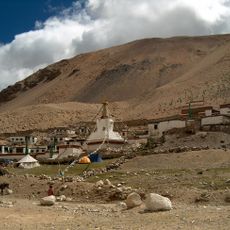
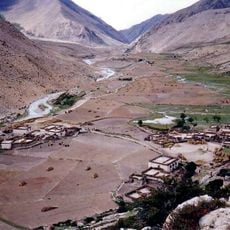
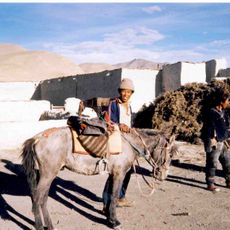
The mountain sits within the Labuche Himal region, where Tibetan communities have long inhabited the high valleys and passes. Local people continue their traditional ways of life while the area increasingly draws mountaineers from around the world.
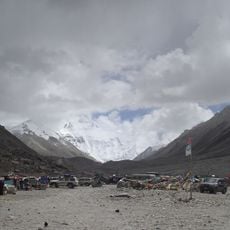
Access to this peak requires careful planning and equipment designed for extreme altitude and severe cold. Climbing is only suitable for experienced mountaineers with high-altitude expedition training and proper acclimatization time.
After its first ascent in 1987, the mountain saw few climbing attempts for many years before gaining renewed interest. This long gap between ascents reflects how remote and technically demanding the peak remains.
The community of curious travelers
AroundUs brings together thousands of curated places, local tips, and hidden gems, enriched daily by 91,839 contributors worldwide.