Rongbuk Glacier, Glacier near Mount Everest, China
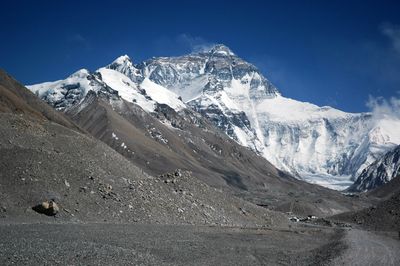
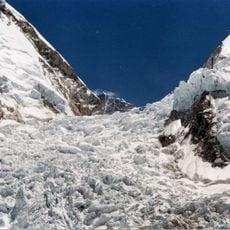
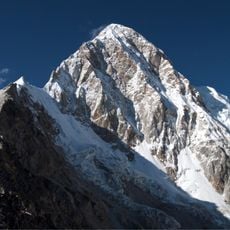
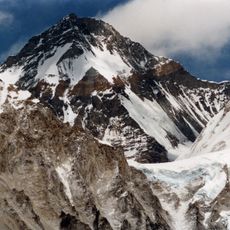
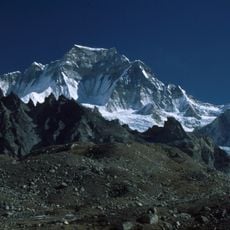
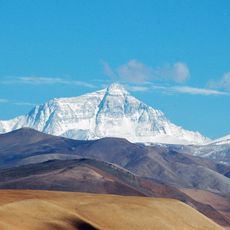
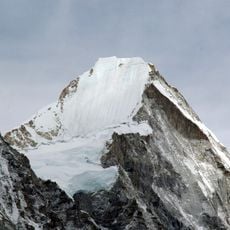
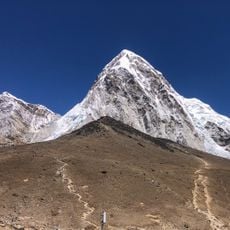
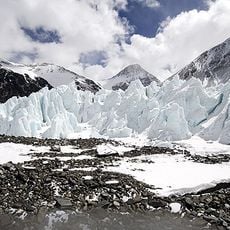
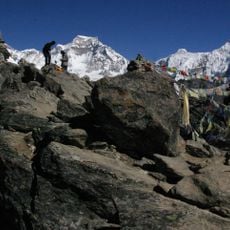
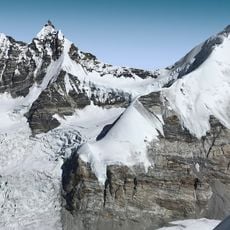
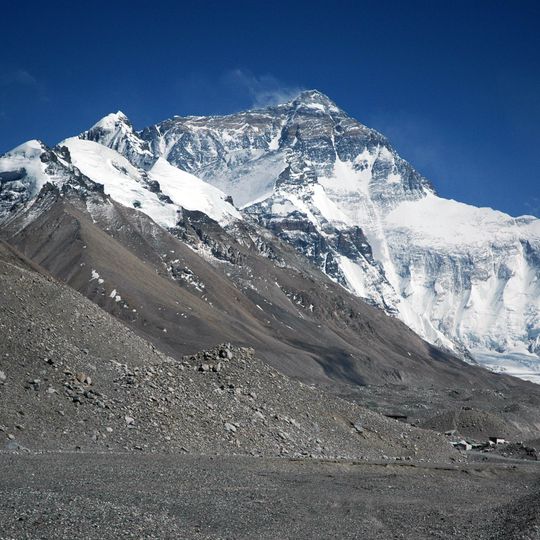
Rongbuk Glacier is a large expanse of ice in the Himalayan range, distinguished by deep crevasses and complex frozen formations throughout its length. The terrain rises steeply and creates a raw, frozen landscape surrounded by snow-covered peaks.
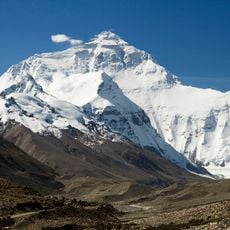
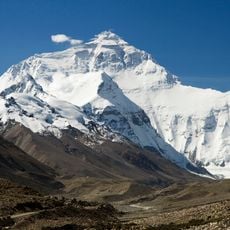
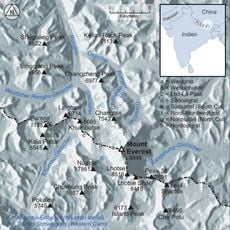
George Mallory explored the main Rongbuk Valley and its glacier in 1921 during the first British Everest reconnaissance, searching for routes to the summit. On 3 August 1921 Oliver Wheeler, below the Lhakpa La pass, recognised that the East Rongbuk Valley offered a viable line. Weeks later Mallory, Guy Bullock and Wheeler crossed the Lhagba La and became the first people to set foot on Everest's North Col.
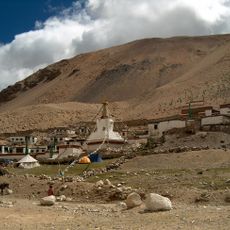
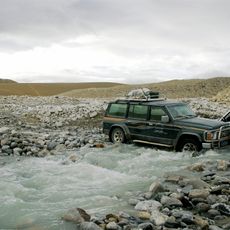
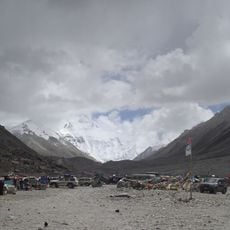
Rongbuk Monastery stands at the northern end of the Rongbuk Valley, below the glacier's snout. The glacier feeds the Rongbuk River, and its meltwater collects in a proglacial lake at the foot of the ice. Everest expeditions following the normal Tibetan route pass the monastery on their way up the valley toward the East Rongbuk Glacier.
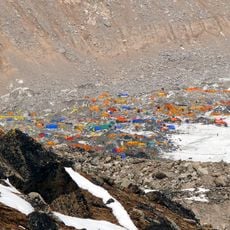
Climbing parties on the normal Tibet route follow the East Rongbuk Glacier up to Advanced Base Camp at its upper end, then continue via the North Col and the northeast ridge. The glacier snout ends on a plain of grey gravel below the debris-covered tongue. Meltwater collects in a proglacial lake at the foot of the ice.
The ice retreats visibly year after year, revealing layers from different periods beneath the surface. This change is watched by researchers worldwide as a key sign of larger climate patterns.
The community of curious travelers
AroundUs brings together thousands of curated places, local tips, and hidden gems, enriched daily by 93,678 contributors worldwide.