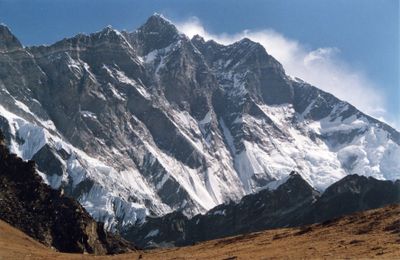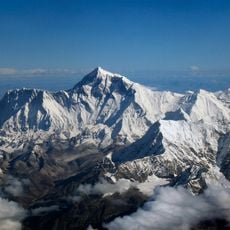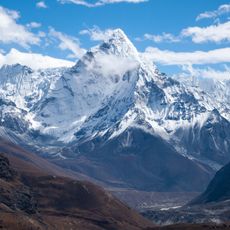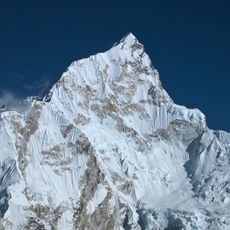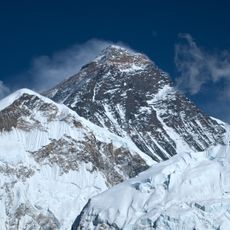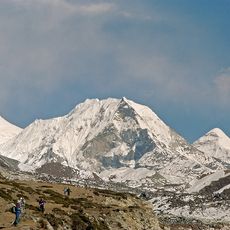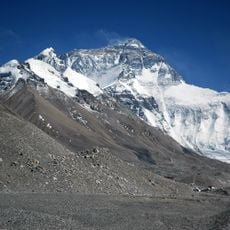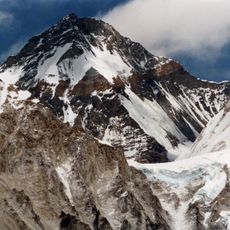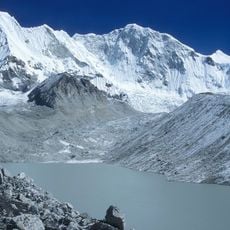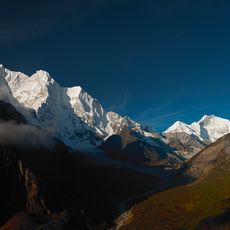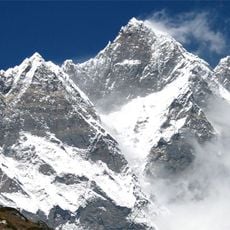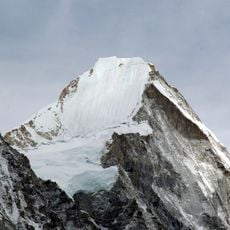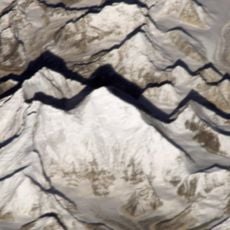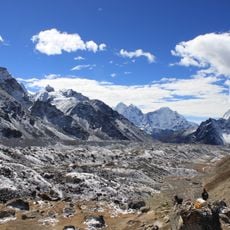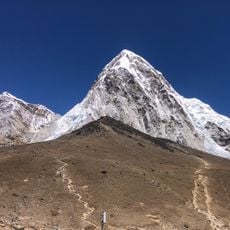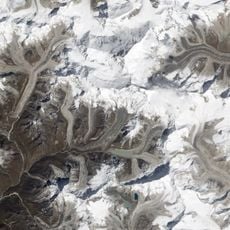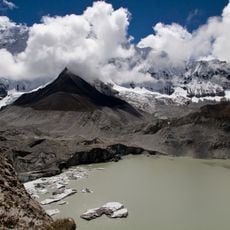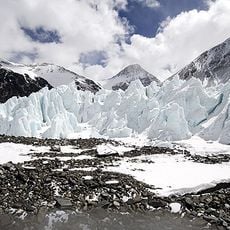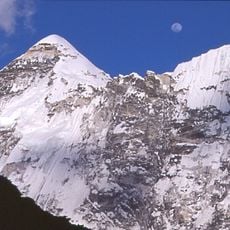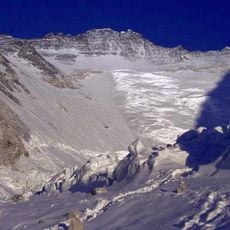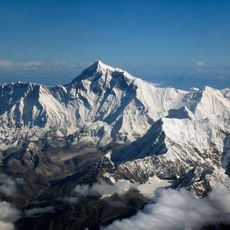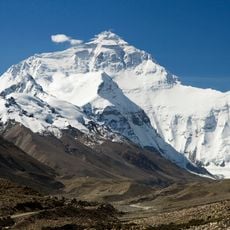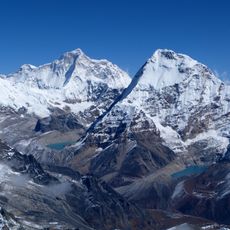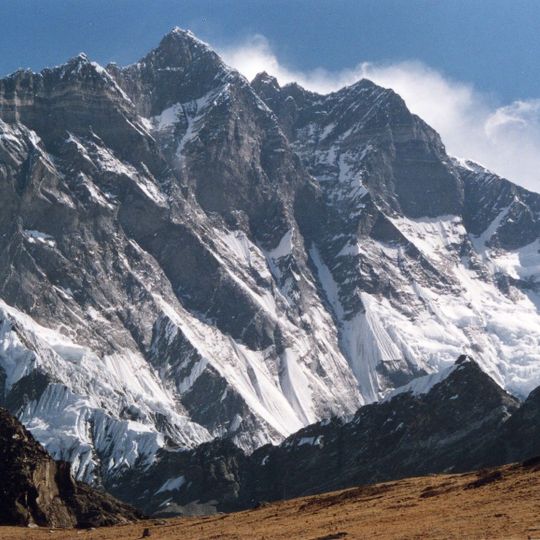
Lhotse Middle, Himalayan summit at Khumbu region border, Nepal and China
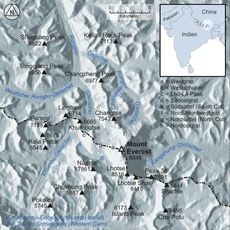
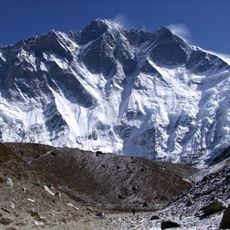
Lhotse Middle is a Himalayan summit on the border between Nepal and China, forming part of the Lhotse massif that sits between Mount Everest and the main Lhotse peak. It is considered a separate climbing objective with its own technical demands, distinct from those of the nearby summits.
A Soviet expedition team first reached the top in May 1990, establishing a route through technically demanding sections of the massif. This ascent was a turning point in the broader exploration of this part of the Himalaya.
The name comes from Tibetan, where Lho means south and Tse means peak, pointing to the southern position of this part of the range. Local guides still use this traditional name when moving through the area.
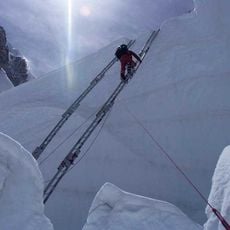
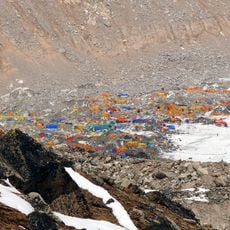
The best window for climbing runs from April to May, when weather is most stable in this part of the Himalaya. Climbers use established base camps and follow route approaches similar to those used for other peaks in the massif.
The approach involves a steep couloir with rocky sections that opens onto a small summit platform at the top. This line is considered one of the most technically demanding in the entire massif, setting it apart from the routes used on nearby peaks.
The community of curious travelers
AroundUs brings together thousands of curated places, local tips, and hidden gems, enriched daily by 91,124 contributors worldwide.