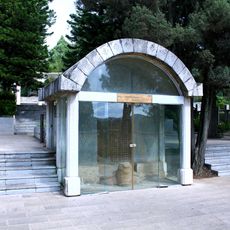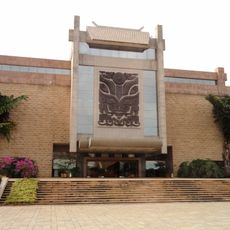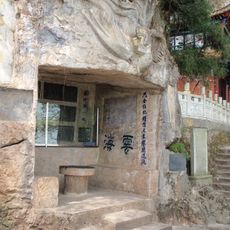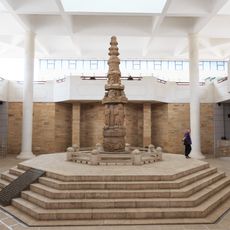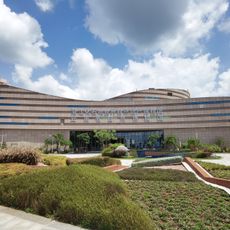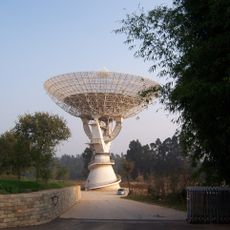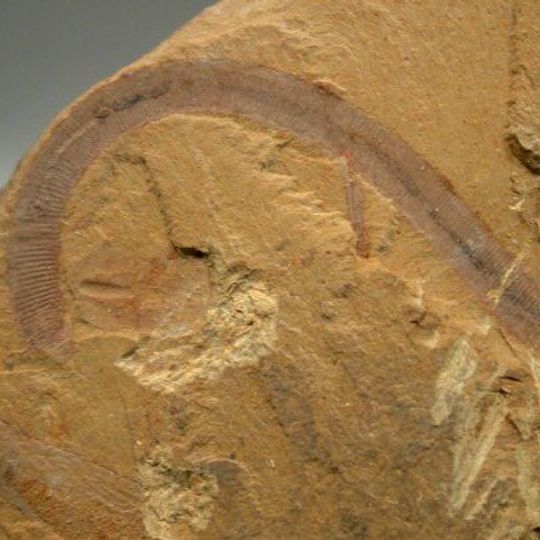
Chengjiang Fossil Site, UNESCO World Heritage fossil site in Chengjiang City, China.
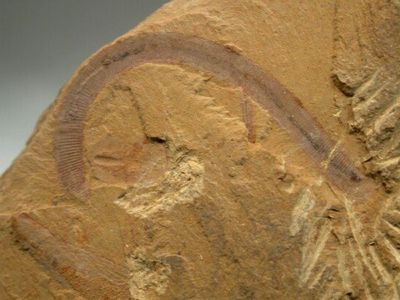
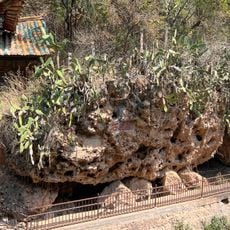
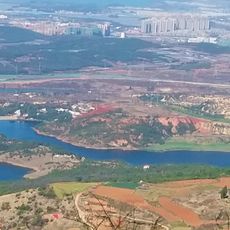
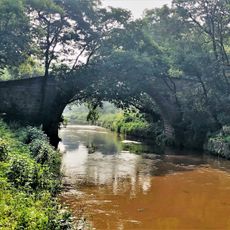
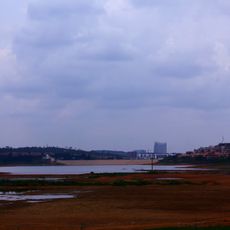
The Chengjiang Fossil Site is a rock outcrop near Maotianshan hill in Chengjiang City, Yunnan Province, recognized as a UNESCO World Heritage Site and a national geopark of China. The sedimentary layers hold the remains of sea creatures from around 518 million years ago, covering hundreds of species.
The site was discovered in 1984 by a Chinese geologist and revealed a wide range of animal life from the early phase of animal development known as the Cambrian explosion. The find shifted how scientists understood the speed at which complex organisms appeared on Earth.
The site sits on a hill called Maotianshan, which in Chinese means "Cat Heaven Hill", a name that has nothing to do with fossils but is remembered easily by visitors. The small on-site museum displays actual specimens and gives a clear sense of what these early sea creatures looked like.
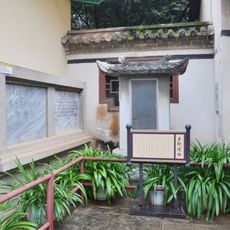
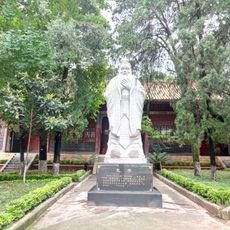
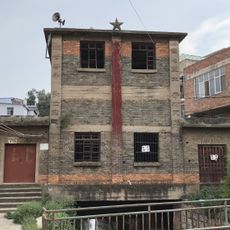
The site is located outside Chengjiang City, and joining a guided tour from Kunming is a comfortable way to get there. On-site panels and a museum help make sense of the ancient layers and orient you around the grounds.
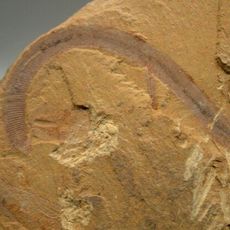
Many of the fossils found here still contain soft body parts and even internal organs, which is extremely rare in rocks of this age. This level of preservation allows researchers to study the exact body structure of animals that lived over half a billion years ago.
The community of curious travelers
AroundUs brings together thousands of curated places, local tips, and hidden gems, enriched daily by 91,249 contributors worldwide.