Maotianshan Shales, Fossil deposits in Chengjiang, Yunnan, China
The Maotianshan Shales are Early Cambrian sedimentary deposits of the Qiongzhusi Formation in Chengjiang, Yunnan, southwestern China. Fossils occur in a 50-metre-thick mudstone section of the Yuanshan Member, in thin layers less than an inch thick. A 512-hectare site within the formation is the Chengjiang Fossil Site, a UNESCO World Heritage Site since 2012.
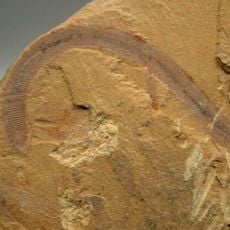
Fossils from the Chengjiang area were known as early as the 10th century, but the site gained scientific recognition in 1984 with the discovery of the soft-bodied naraoiid Misszhouia. The shales date to 518 million years ago, placing them in the Early Cambrian, and are about ten million years older than the Burgess Shale. A 512-hectare site within the formation was inscribed as a UNESCO World Heritage Site in 2012.
The name comes from Maotianshan Hill, meaning "Hat Sky Mountain", in Chengjiang County, Yunnan. The fossils are called the Chengjiang biota after the county, and the 512-hectare Chengjiang Fossil Site within the formation became a UNESCO World Heritage Site in 2012. The IUGS listed the site among its 100 geological heritage sites in 2022.
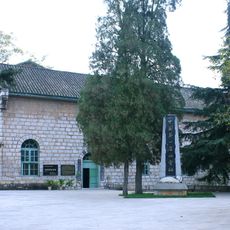
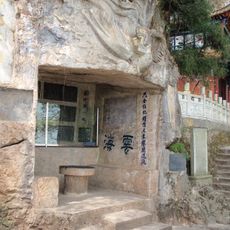
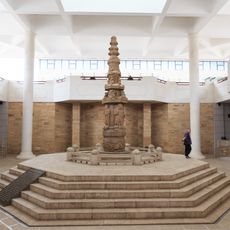
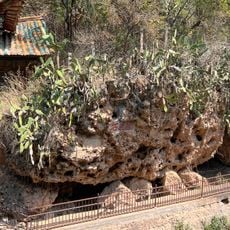
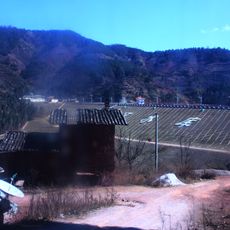
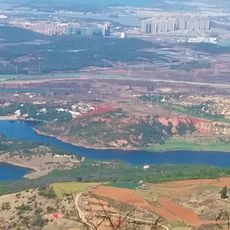
The 512-hectare Chengjiang Fossil Site lies around Maotianshan Hill in Chengjiang County, south of Kunming near Fuxian Lake. The fossil beds are scientific outcrops rather than a managed visitor attraction, so access to excavations is not a given; check locally in Chengjiang before planning a stop. The shales are deeply weathered and lightweight, and fossils sit in layers under an inch thick.
What sets this place apart is that many fossils here still show soft tissues that normally don't survive. This lets scientists see body details and structure of these ancient creatures that would otherwise be lost.
The community of curious travelers
AroundUs brings together thousands of curated places, local tips, and hidden gems, enriched daily by 93,742 contributors worldwide.