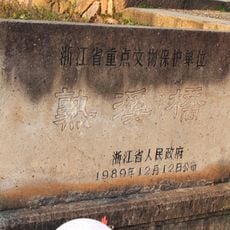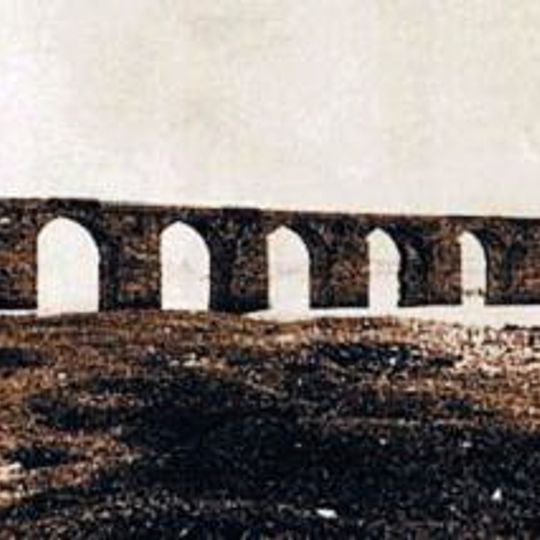
Tongji Bridge, bridge in People's Republic of China
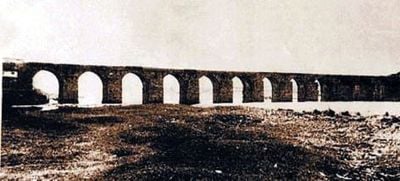
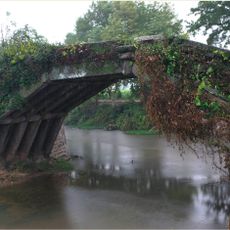
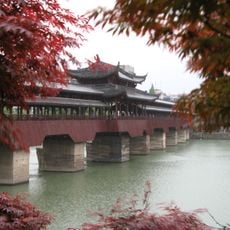
Tongji Bridge in Jinhua is a stone arch bridge that spans a river with multiple graceful arches built from large fitted stone blocks. The structure displays skilled craftsmanship with tightly joined stones and measures approximately 380 meters (1,250 feet) long and 24.5 meters (80 feet) wide, featuring stone handrails along its sides.
The bridge was originally built as a wooden pontoon structure that collapsed during river floods, making crossings unsafe. A Buddhist monk named Ji'an proposed a stone bridge during the Yuan Dynasty, and his successor Yunlong completed it in 1334, initially as a covered structure with Buddhist statues.
The bridge's name Tongji refers to its historical role in connecting communities across the waterway. Today, locals use it as a gathering spot during walks and daily routines, with small shops and residences creating a lived-in neighborhood feeling.
The bridge is open to pedestrians throughout the day and located in an accessible urban area, making it easy to visit. Visit during early morning or evening hours to see the stone details and carved elements more clearly, as the light is better and foot traffic is lighter.
The original structure was a covered bridge with interior chambers that housed Buddhist statues, including the Four Heavenly Kings. In the early 1800s, it was converted to an open bridge with stone handrails, removing the roof and creating the open arch design visitors see today.
The community of curious travelers
AroundUs brings together thousands of curated places, local tips, and hidden gems, enriched daily by 90,824 contributors worldwide.