Xianling Tomb of the Ming Dynasty, Imperial mausoleum in Zhongxiang City, China
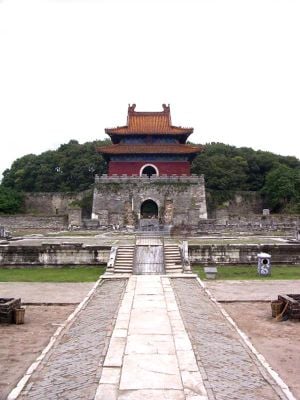
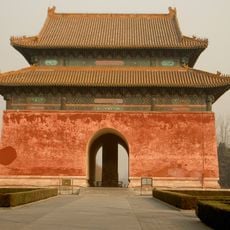
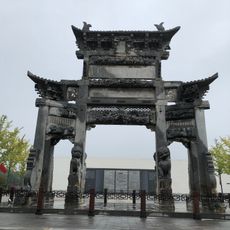
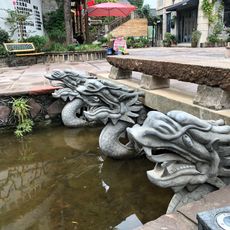
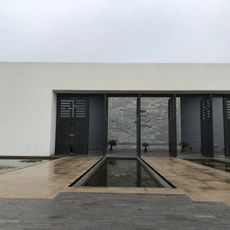
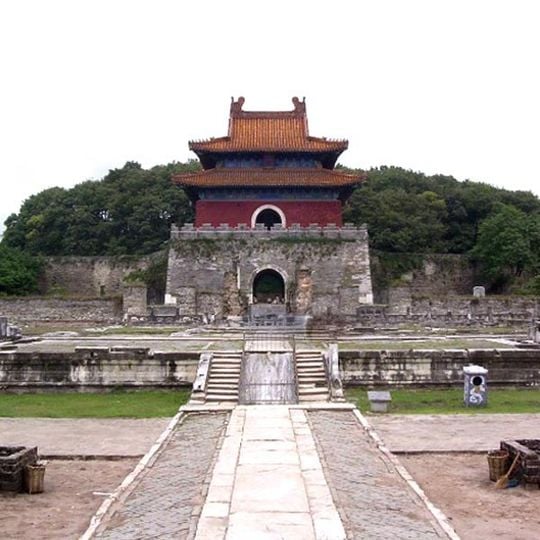
Xianling Tomb is an imperial mausoleum of the Ming Dynasty located in Zhongxiang, in China's Hubei Province, and is part of the UNESCO World Heritage Site covering Ming and Qing imperial tombs. The complex spreads across a large enclosed area with ceremonial paths, stone sculptures, pavilions, and separate zones used for offerings and memorial rites.
Zhu Youyuan, a Ming prince who died in 1519, was first buried here as a princely tomb. His son Zhu Houcong became the Jiajing Emperor in 1521 and had the grave rebuilt as an imperial mausoleum, renaming it Xianling in 1523. The Jiajing Emperor added his mother Empress Zhangsheng to a second tumulus in 1539, creating the two-tumulus layout.
The site reflects traditional Chinese beliefs about the afterlife through its layout of stone animals, pavilions, and altars arranged according to feng shui principles. These elements show how the living honored the emperor and maintained cosmic balance through careful spatial design.
The site is best explored on foot, so comfortable shoes are a good idea since some paths have steps and uneven paving stones. Plan to spend enough time to walk through the different sections without rushing.
Xianling has two burial mounds joined by a stone passage called Yaotai, a layout known as "one mausoleum, two tumuli". The front mound covers the original 1519 tomb of Prince Xing, while the rear mound, built in 1539, holds the coffins of the posthumously named emperor and his empress. The outer wall is shaped like a golden flask.
The community of curious travelers
AroundUs brings together thousands of curated places, local tips, and hidden gems, enriched daily by 93,825 contributors worldwide.