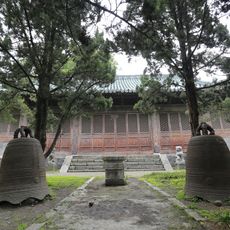
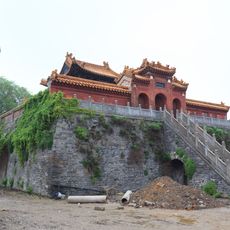
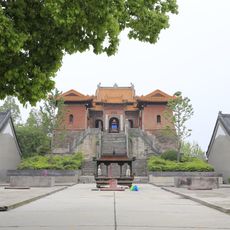
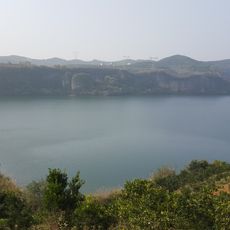
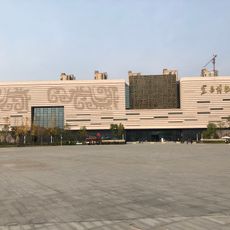
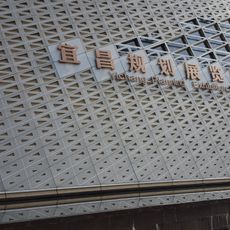
Jingzhou Museum, Archaeological museum in Jingzhou, China
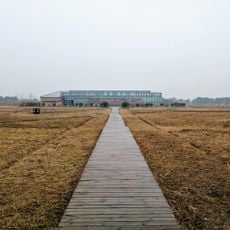
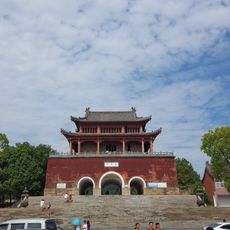
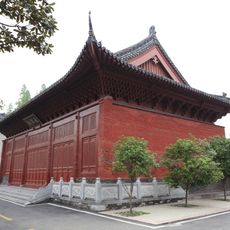
The Jingzhou Museum at 166 Jingzhong Road in Jingzhou District, Hubei, is a comprehensive regional museum founded in 1958. Its 23,000 square metres of floor space hold over 130,000 objects, most excavated in the area, including 553 first-class national relics. Exhibits trace the region from the Palaeolithic through the Daxi culture to the Zhou and Warring States periods, with jade, lacquer and silk.
Founded in 1958, the museum holds over 130,000 objects, most excavated in the Jingzhou area. Its collection spans the Palaeolithic to the Zhou dynasty, including artefacts of the Daxi culture and many finely carved jades. A Western Han man's body found in 1974 at Fenghuangshan, about 100 km away, is kept with its blood, organs and flexibility intact.
The halls display how communities in this region organized themselves and what they valued across different periods. You can observe the craftsmanship techniques that mattered most and how daily life changed over time.
Wear comfortable shoes as you will walk through multiple exhibition rooms. Plan to spend a couple of hours to explore the collections at a relaxed pace.
The museum keeps the body of a man buried at Fenghuangshan in Jiangling, found in 1974 about a hundred kilometres from Jingzhou. Unlike a skeleton, the 2nd-century BC corpse kept its flexibility, blood and internal organs, brain included.
The community of curious travelers
AroundUs brings together thousands of curated places, local tips, and hidden gems, enriched daily by 94,538 contributors worldwide.