Liangzhu Museum, Archaeological museum in Liangzhu Subdistrict, China
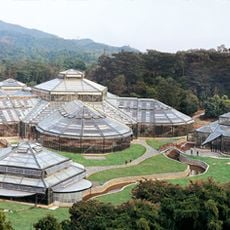
The Liangzhu Museum is a stone-clad building by David Chipperfield Architects, completed in 2007, made of four blocks all 18 m wide but of different heights and lengths. Five internal courtyards link the galleries and let in daylight, and a bridge over a man-made lake forms the entrance. Its three permanent halls and one temporary hall hold over 1,000 jade, pottery and lacquer objects.
The artifacts come from a society that existed about 5,000 years ago, known for advanced craftsmanship and water management skills. Archaeologists uncovered these objects in the early 20th century, which revealed much about how this ancient community lived and organized itself.
The exhibition displays carefully crafted jade objects and pottery made by the people who lived here thousands of years ago. You can see how skilled these artisans were and how they organized their daily lives.
The main entrance provides access to different exhibition spaces, and multiple pathways allow you to navigate at your own pace through the galleries. Plan time to see both permanent displays and temporary shows to get a fuller sense of the collections.
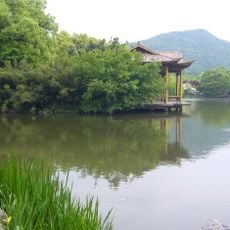
The site was a contaminated industrial plot before being landscaped into a park with hills and manmade streams by Levin Monsigny Landschaftsarchitekten. Visitors cross a bridge over the lake to enter, echoing the aquaculture and irrigation systems of the Liangzhu people. A rear courtyard leads via a second bridge to a small island used for outdoor exhibitions.
The community of curious travelers
AroundUs brings together thousands of curated places, local tips, and hidden gems, enriched daily by 93,825 contributors worldwide.