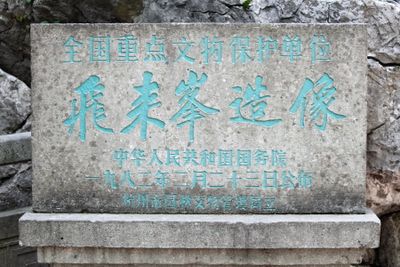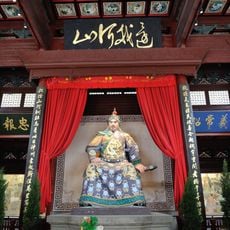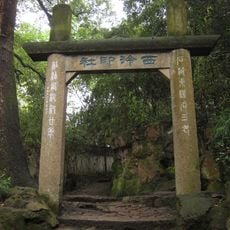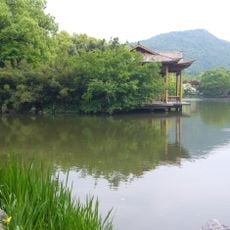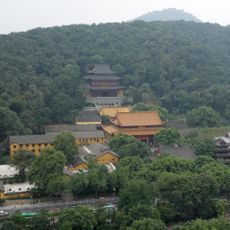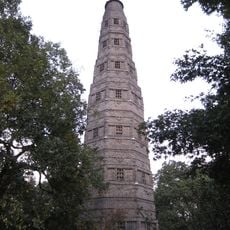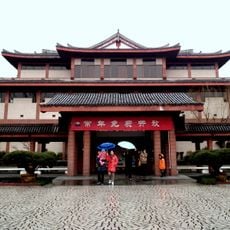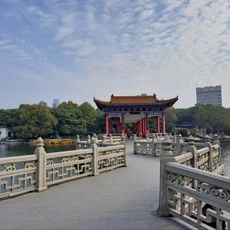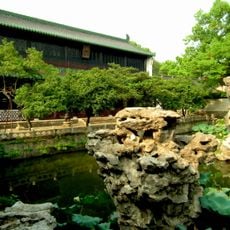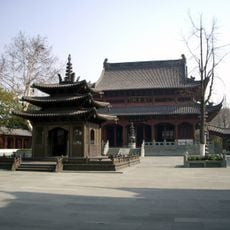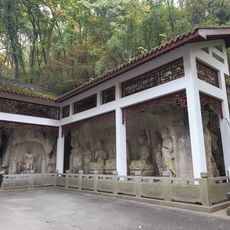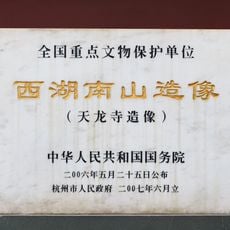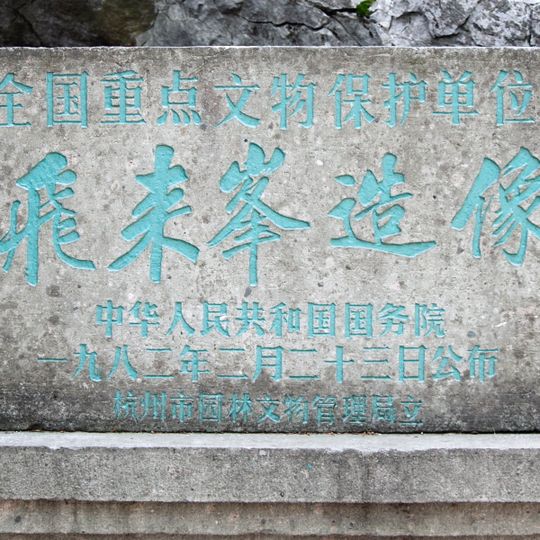
Feilaifeng Grottoes, Buddhist sculpture series at Lingyin Temple area, Hangzhou, China.
Feilaifeng Grottoes are a group of rock reliefs and stone carvings cut into natural limestone cliffs at the edge of the Lingyin Temple grounds in Hangzhou. The figures are set at different heights along the rock faces and follow a small stream that runs through the site.
The oldest carvings date to the Five Dynasties period in the 10th century, earlier than often assumed, not the Tang Dynasty. Most figures were added during the Song and Yuan dynasties, with the Yuan period producing some of the most expressive works on the site.
Several figures carved here show Central Asian and Tibetan influences, visible in the broad faces and rounded forms of some sculptures. This reflects how Buddhism absorbed different artistic traditions as it traveled into China.
The site is laid out along a path that follows the stream and the cliff faces, so most carvings can be seen on foot in a single loop. Some figures sit very close to the ground while others are set high on the wall and need to be viewed from a distance.
One of the most recognized figures here is a wide-grinning, round-bellied Buddha from the Yuan period, known in China as Budai, who is often mistaken for the historical Buddha. This depiction of Budai was so influential that it became the source for the laughing Buddha figures found today in restaurants around the world.
The community of curious travelers
AroundUs brings together thousands of curated places, local tips, and hidden gems, enriched daily by 90,813 contributors worldwide.