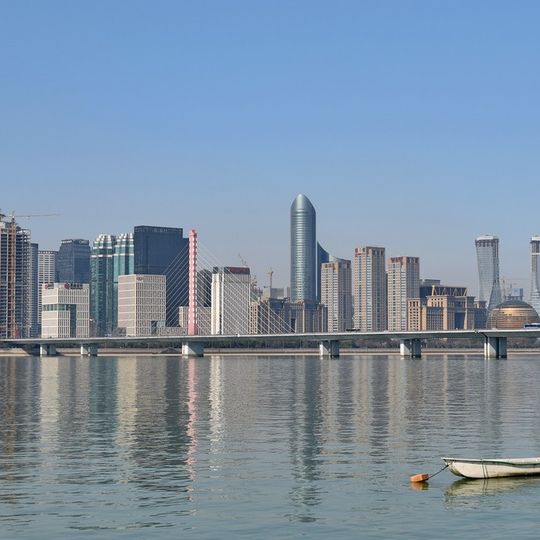
Hangzhou, Metropolitan center in Zhejiang Province, China
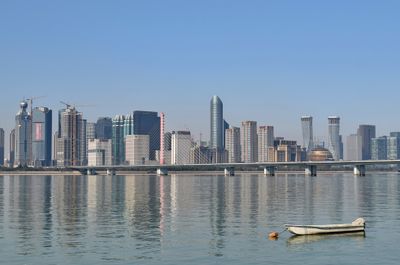
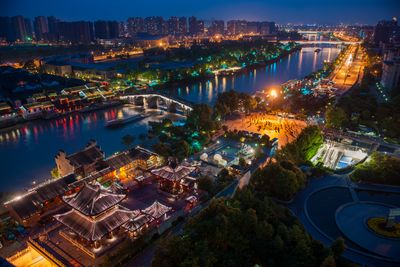
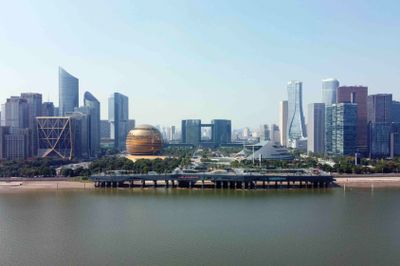
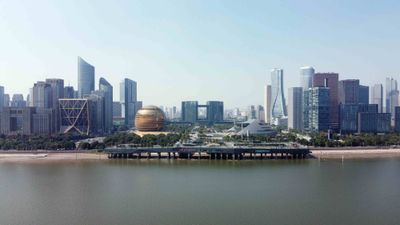
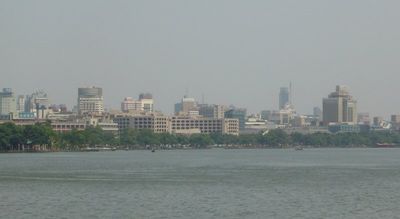
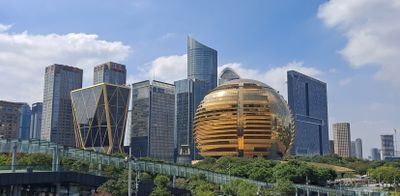
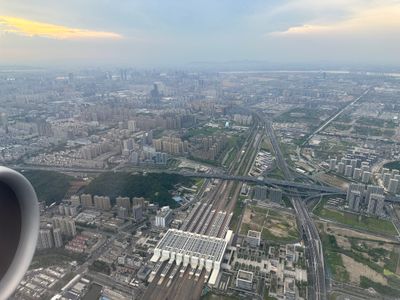
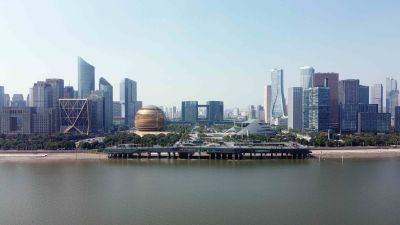
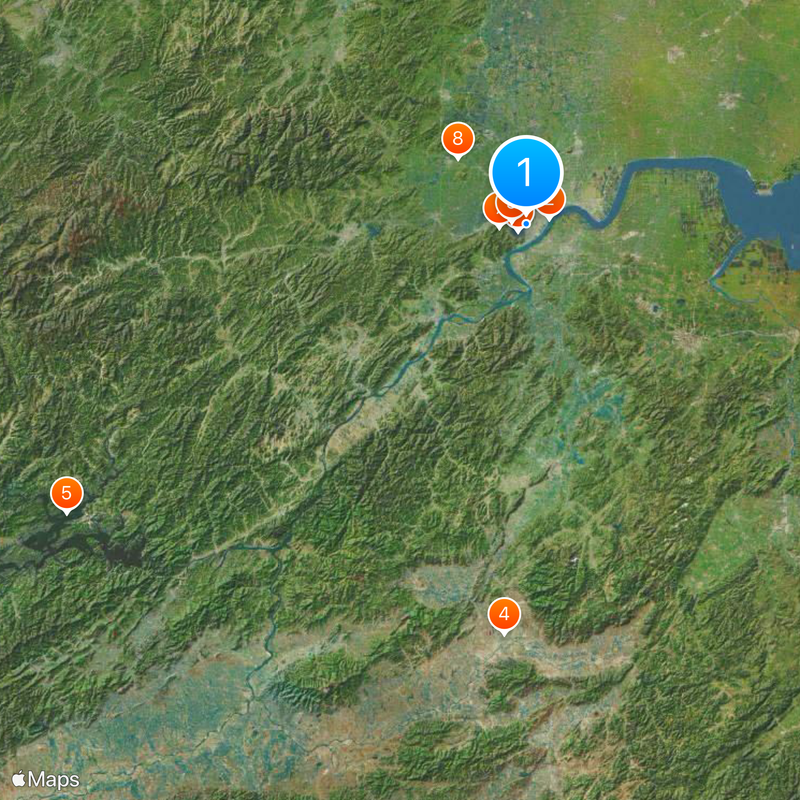
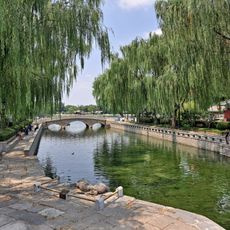
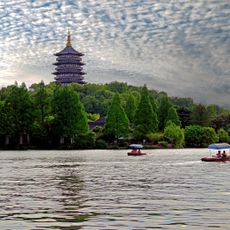
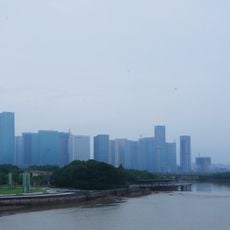
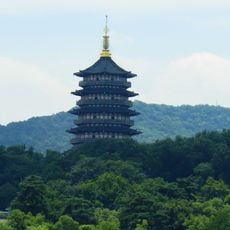
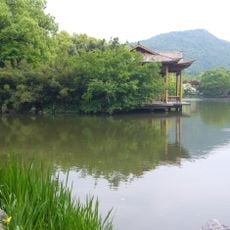
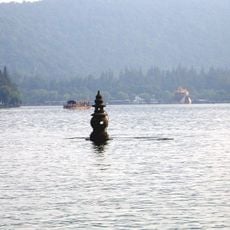
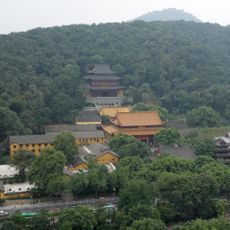
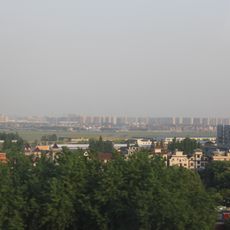
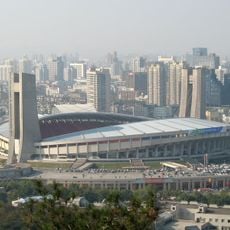
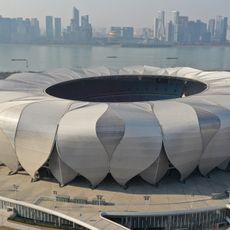
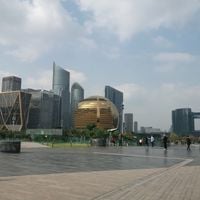
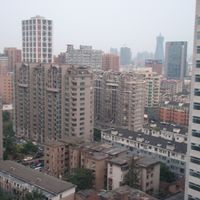
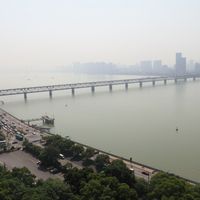
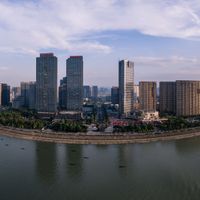
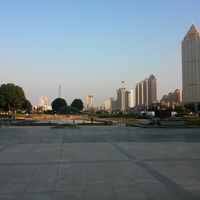
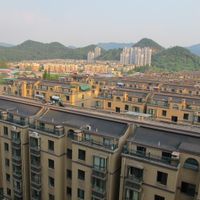
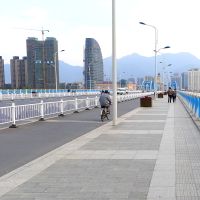
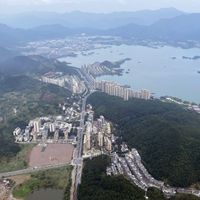
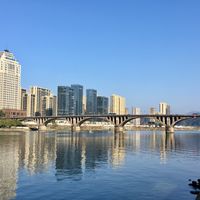
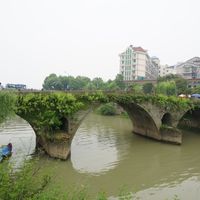
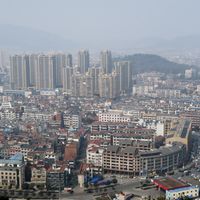
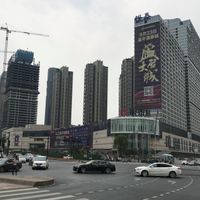
Hangzhou is a large city in Zhejiang Province that spreads around West Lake and extends toward the Qiantang River delta. The urban fabric ranges from modern districts with high-rise buildings to denser residential neighborhoods divided by bridges, canals, and several green spaces.
The settlement grew from the 7th century as a trading center thanks to its location near the canal that carried goods between the north and the south. In the 12th century it became the capital of a major Chinese dynasty for more than 140 years, expanding its reach and influence across the region.
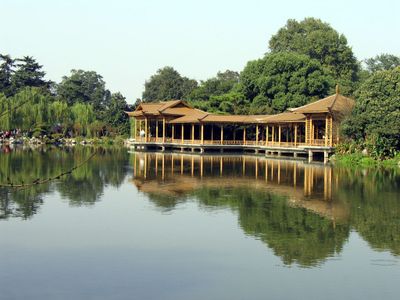
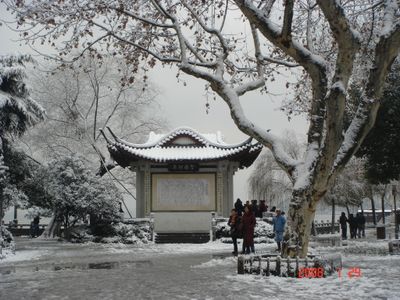
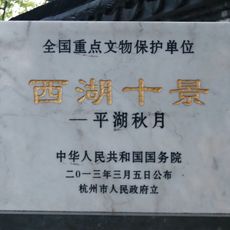
Teahouses line the West Lake shore, where locals gather for conversation while traditional Chinese instruments play near the pavilions. Vendors sell Longjing tea directly from the surrounding plantations, while morning tai chi sessions by residents fill the public parks with slow, deliberate movements.
The metro connects different districts through several lines that start early in the morning and run until late at night. Main railway stations offer high-speed trains to other cities, while local buses serve residential areas beyond the metro stops.
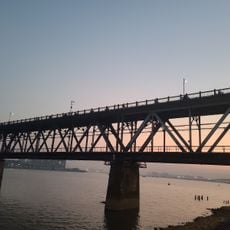
The river produces an exceptionally high tidal wave during autumn that can be observed from a distance as a natural spectacle, drawing crowds every year. The phenomenon becomes most visible during the equinox, when the moon influences the water masses with greater force.
The community of curious travelers
AroundUs brings together thousands of curated places, local tips, and hidden gems, enriched daily by 90,766 contributors worldwide.