Minyue State's Imperial City, Archaeological site in Fujian, China
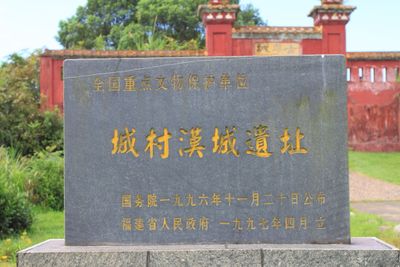
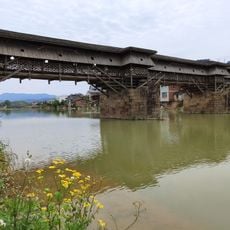
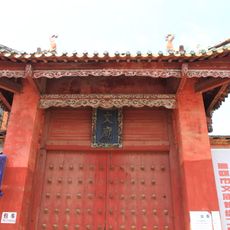
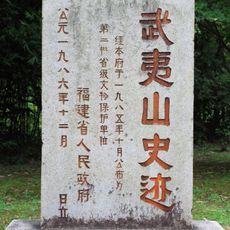
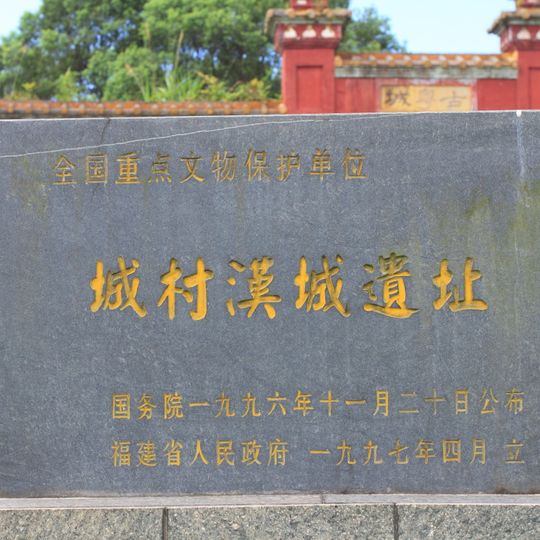
Minyue State's Imperial City is an irregular rectangle of rammed earth walls measuring 550 m east-west and 860 m north-south, enclosing about 48 hectares. The site retains gates, a water gate, watchtowers, an altar, palace foundations, roads and wells, divided into a palace zone and a commoners' zone. It is the largest and best-preserved early Han city site in southern China.
The city was probably founded in the late Qin dynasty and may have served as the seat of Minzhong Commandery; after the Qin fell, it was abandoned and rebuilt. It is often identified as the Ye capital of Wuzhu, king of Minyue. In 110 BC the Han dynasty absorbed Minyue, ending the state. Since 1999 the site has been part of the Wuyi Mountains UNESCO World Heritage property.
The site reveals how people here made and valued everyday objects with care, using bronze and pottery in both practical and sacred ways. These artifacts show a community connected to wider trade routes and invested in quality craftsmanship.
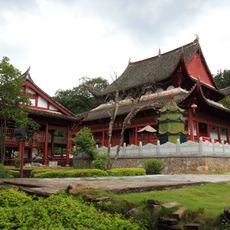
The site lies on hilly ground southwest of Chengcun village in Xingtan, Wuyishan. Wuyi Tram Line 1 stops at Chengcun station, from which the ruins can be reached. The walled area measures about 550 m east-west and 860 m north-south, so allow time to walk between the gates, wells and palace foundations. The Minyue King City Museum stands on the south side of the site.
A large stone platform discovered among the ruins suggests that major religious ceremonies and rituals took place here involving many participants. This structure stands apart from other buildings and hints at how important sacred practices were to the people who lived in this ancient city.
The community of curious travelers
AroundUs brings together thousands of curated places, local tips, and hidden gems, enriched daily by 93,072 contributors worldwide.