Salzgitter, Industrial city in Lower Saxony, Germany.
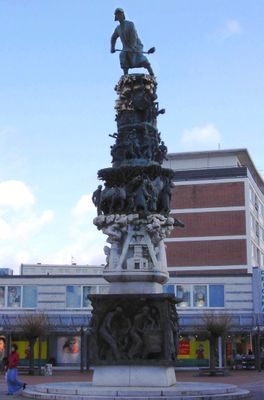
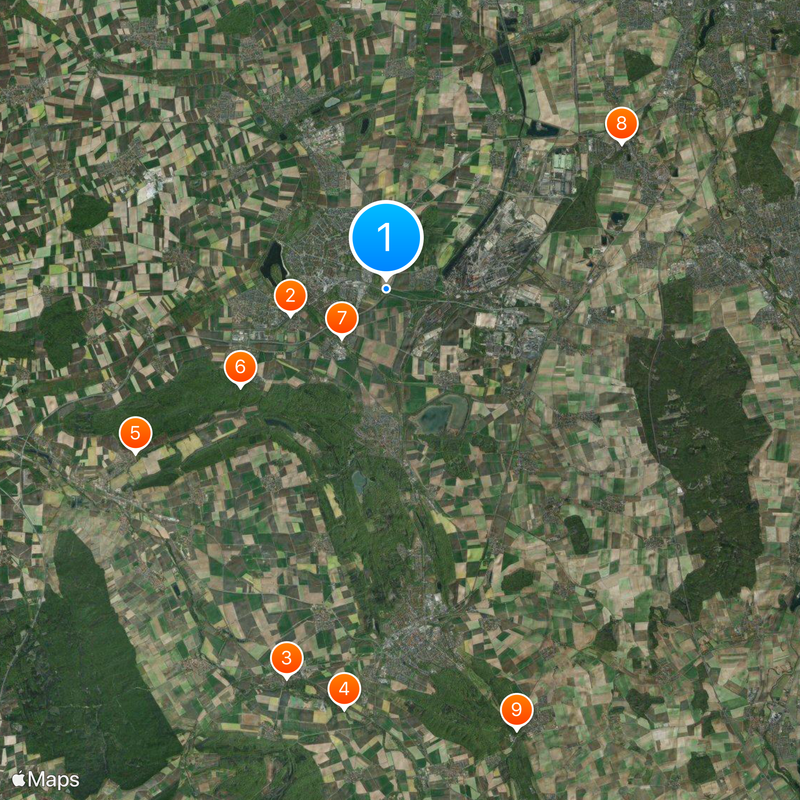
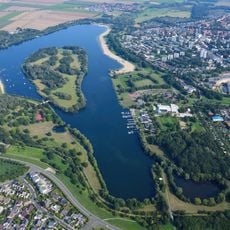
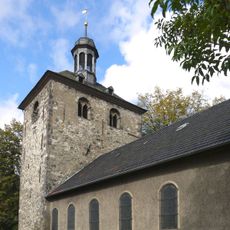
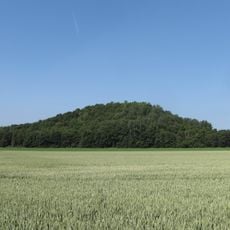
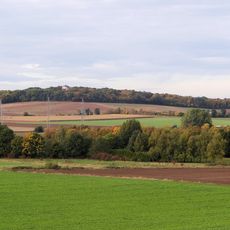
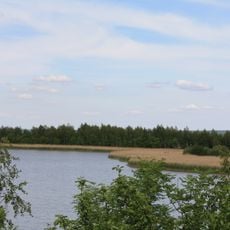
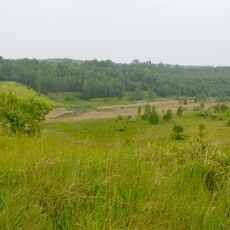
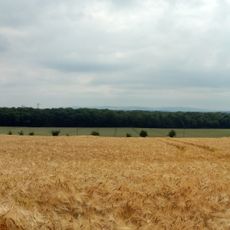
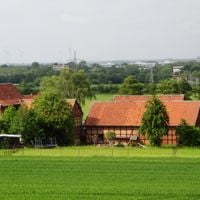
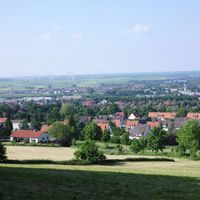
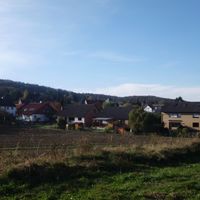
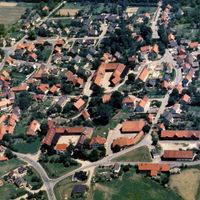
Salzgitter is a city in Lower Saxony between Hildesheim and Braunschweig, spreading across a wide area with 31 districts. Fields and forests separate the neighborhoods from one another, so the place feels more like a collection of small towns than a single urban center.
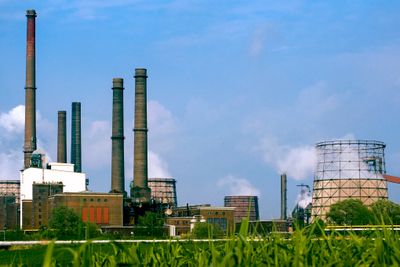
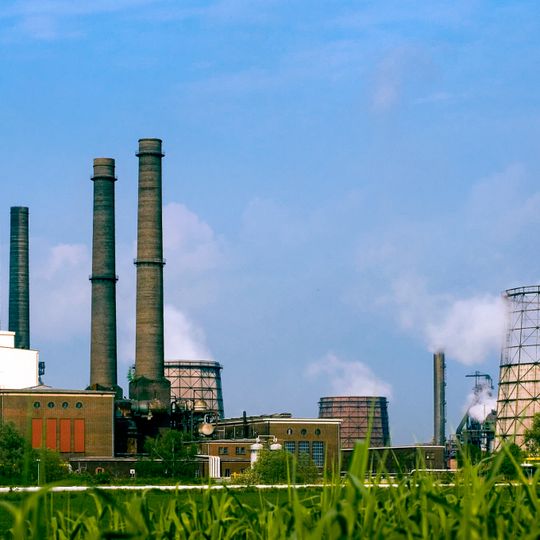
The city formed in 1942 when several small villages merged to house workers for iron ore extraction and steel production. After World War II, the economy gradually shifted from mining alone to broader manufacturing sectors.
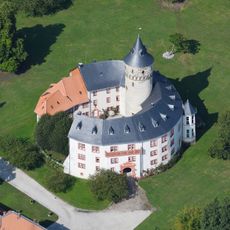
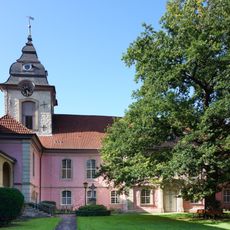
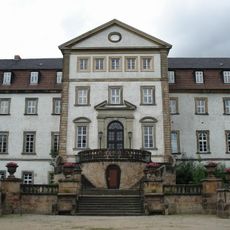
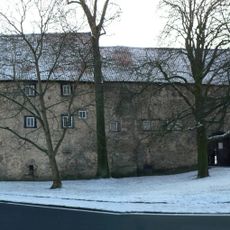
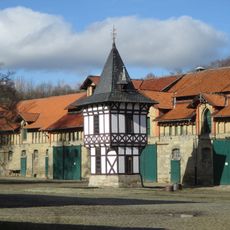
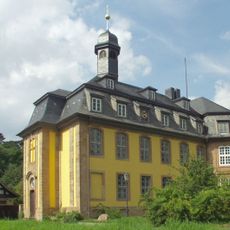
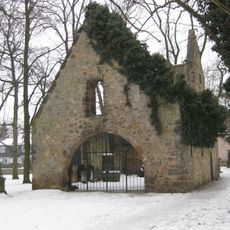
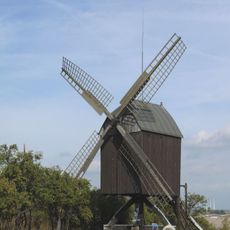
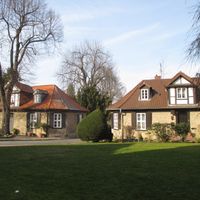
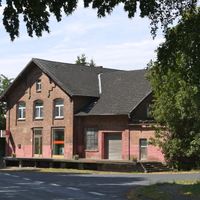
The name comes from the Salzgitter-Bad district, where salt springs once fed thermal baths that visitors still enjoy today. The Salder Castle houses mining tools and machinery inside a timber-framed building that shows how work and daily life shaped the local identity.
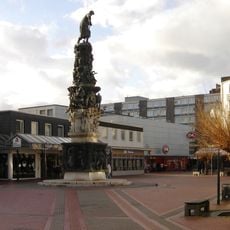
The Lebenstedt district offers shops and restaurants, while the area around Salzgitter-Bad has hotels and leisure facilities. The districts lie several kilometers apart, so a car or local bus helps when moving between them.
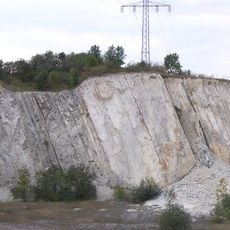
The region holds the largest iron ore deposits in Germany, which were mined intensively until the 1980s. A canal links the city to the Ruhr area and once carried coal for the blast furnaces.
The community of curious travelers
AroundUs brings together thousands of curated places, local tips, and hidden gems, enriched daily by 90,847 contributors worldwide.