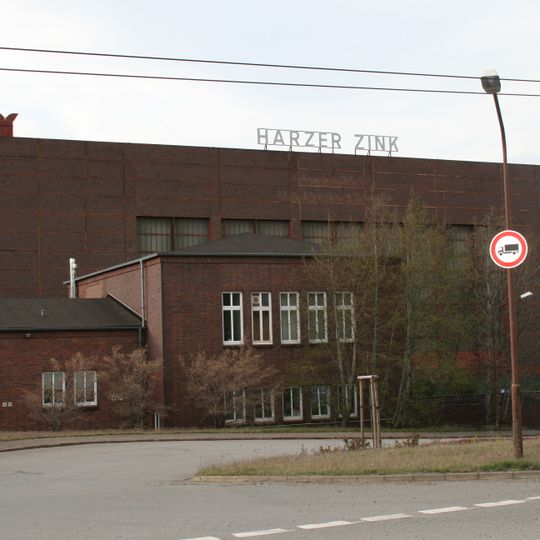
Zinkhütte Harlingerode, Zinc processing facility in Goslar, Germany
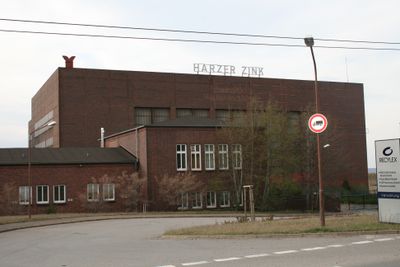
Zinkhütte Harlingerode is a former zinc smelter between Oker and Harlingerode, built from 1935 on a greenfield site by the Unterharzer Berg- und Hüttenwerke. Architects Fritz Schupp and Martin Kremmer designed the buildings, arranged with air-raid protection in mind. The New Jersey vertical retort process first produced zinc on 30 December 1936 in the west furnace house.
The facility was built in the 1930s and began zinc production in 1936 using advanced methods imported from America. It expanded rapidly after World War II and became the country's leading zinc producer before closing in 2000.
The plant's workforce peaked between 1958 and 1959 at over 1,000 employees. Heavy-metal dust from the stacks burned green plants in the surrounding fields and killed livestock, prompting protests in Harlingerode and Göttingerode that led to filter installations and a taller main chimney in the 1960s.
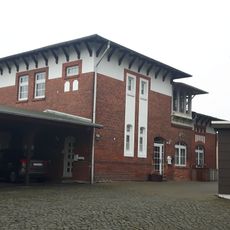
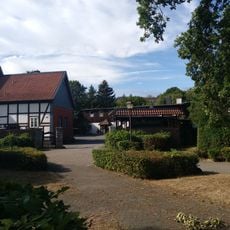
The site is not open to visitors; the grounds belong to Industriepark und Verwertungszentrum Harz GmbH, and the former administration building and community house are in company use. The western furnace house, the 20-day ore store with its grinding and mixing house, and the wooden cooling tower still stood until 2023, but demolition was announced in 2022. The site lies west of Harlingerode, south of the Kalten Feld, with the Bad Harzburg–Oker railway to the north.
During the 1950s and 1960s, the plant was Germany's largest and most technically advanced zinc production facility. The factory processed enormous quantities of raw materials and gained recognition for its modern equipment and efficient operations.
The community of curious travelers
AroundUs brings together thousands of curated places, local tips, and hidden gems, enriched daily by 94,244 contributors worldwide.