Goslar, Medieval city center in Lower Saxony, Germany.
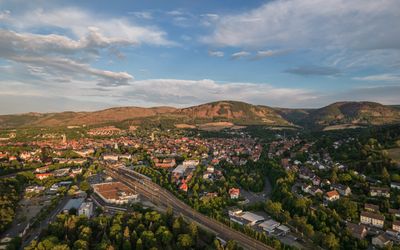
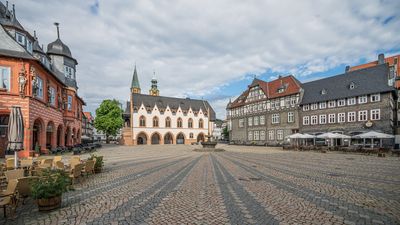
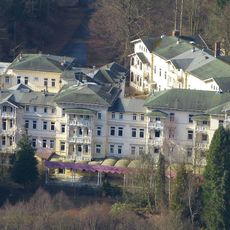
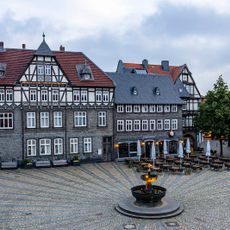
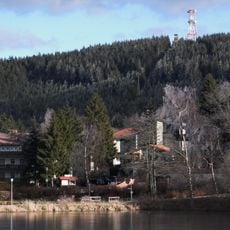
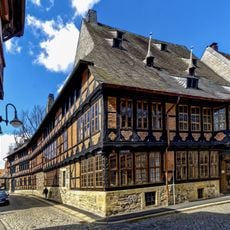
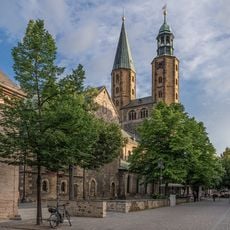
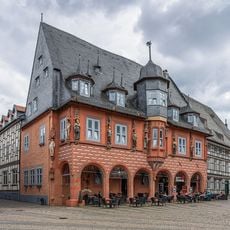
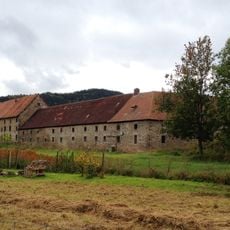
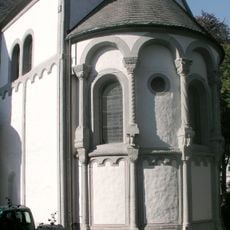
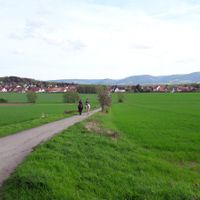
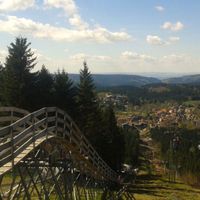
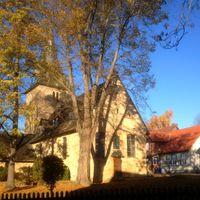
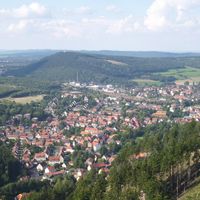
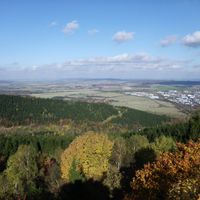
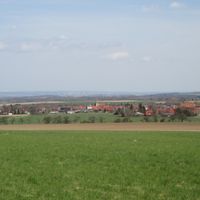
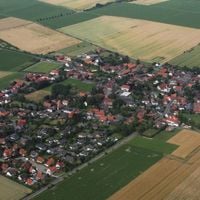
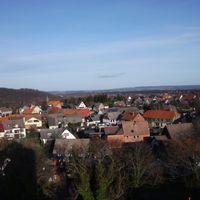
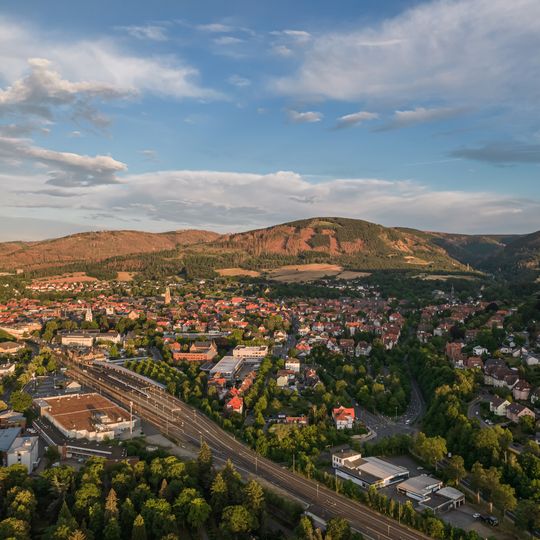
Goslar is a district capital in Lower Saxony at the northern edge of the Harz mountains, preserving around 1500 timber-framed houses built across several centuries. The old town spreads between Rammelsberg mountain to the south and the flat Harz foothills to the north, crossed by narrow lanes and small squares.
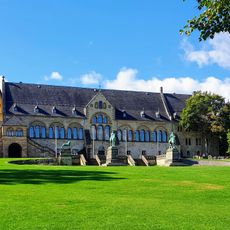
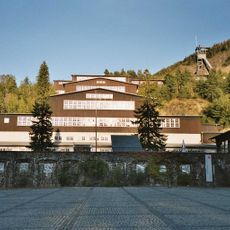
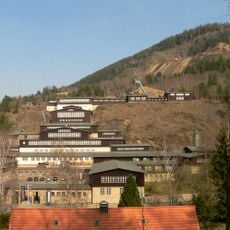
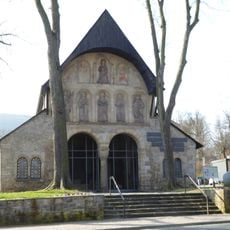
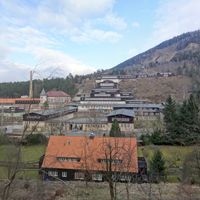
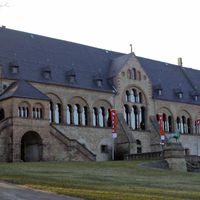
Silver discoveries at Rammelsberg in 922 drew emperors and imperial assemblies to the region, turning the settlement into a center of power. Mining ran continuously for over a millennium, shaping prosperity and urban growth into the 20th century.
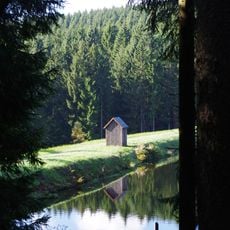
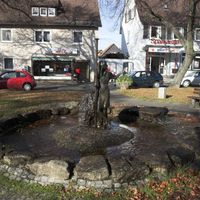
The name comes from a Slavic word for mountain stream, reflecting early settlement patterns along the waterways at the edge of the Harz range. Today locals gather at the central marketplace for weekly markets and meet at the surrounding cafés that fill the square.
Walking through the old town works well on foot, since the main buildings and lanes sit close together. Visitors planning to tour the Rammelsberg mine should wear sturdy shoes and bring weather-resistant clothing.
A mechanical carillon at the town hall sends out moving figures that depict mining scenes and perform a short show every hour on the hour. This moving installation recalls the centuries-long connection between the town and silver extraction.
The community of curious travelers
AroundUs brings together thousands of curated places, local tips, and hidden gems, enriched daily by 90,907 contributors worldwide.