Rammelsberg, Summit and National Geotope in Goslar, Germany
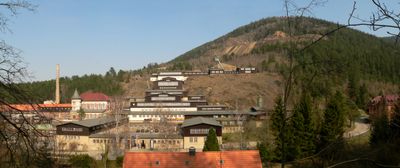
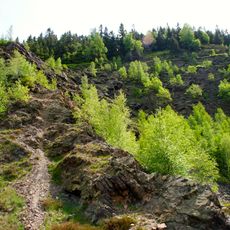
Rammelsberg is a mountain on the northern edge of the Harz range in Lower Saxony, designated as a National Geotope and reaching approximately 635 meters high. The rock formations visible on its slopes reveal mineral layers that reflect centuries of geological and mining activity.
Mining at Rammelsberg is documented around 968, when Emperor Otto the Great had silver veins opened, though ore and slag finds at Düna point to activity from the late 7th century. The mines belonged directly to the Holy Roman Emperor until Goslar's council bought the mining rights in 1359. A 1376 accident killed more than 100 miners. After decades of disputes, Duke Henry V of Brunswick-Wolfenbüttel seized the mines from Goslar in 1552; ore was raised until 1988.
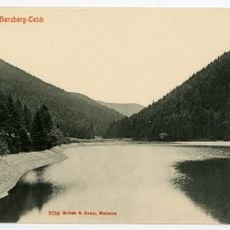
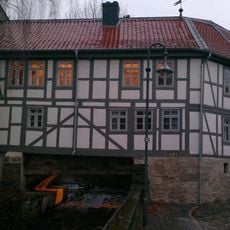
The name Rammelsberg comes from legends about the knight Ramm, who tied his horse to a tree while hunting in 968; the horse pawed the ground and exposed silver ore. Other explanations link the name to ramsons (Low German Ramsen) growing on the slopes, or to an old word for copper ore, as Italian rame still means copper. The Herzberger Teich, a pond at the western foot built before 1530 to supply water for the mine's water wheels, later served as a forest swimming pool until around 2000.
Several hiking trails access the summit and geological features, ranging from gentle walks to steeper paths depending on your fitness level. Bring sturdy shoes and be prepared for sudden weather changes at higher elevations.
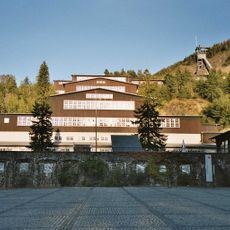
Beneath the surface lies an enormous network of tunnels and chambers spanning several kilometers, with portions now open to visitors who want to explore the mines. Walking through these underground passages gives a visceral sense of the physical demands miners faced and the scale of extraction operations over centuries.
The community of curious travelers
AroundUs brings together thousands of curated places, local tips, and hidden gems, enriched daily by 92,676 contributors worldwide.