Roman Monuments, Cathedral of St. Peter and Church of Our Lady in Trier UNESCO World Heritage Site, UNESCO World Heritage ensemble of Roman monuments and medieval churches in Trier, Germany
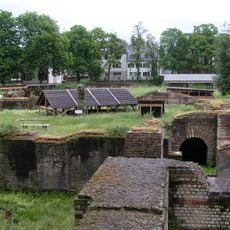
This architectural ensemble in Trier comprises nine monumental structures scattered across the city, including Roman baths, an amphitheater, and religious buildings. The collection shows Roman construction methods alongside later architectural styles that built upon the original structures.
The city was founded in 17 BC as Augusta Treverorum and grew to become a major Roman capital during the Tetrarchy period. Most of the large structures visible today were built during this time of power and expansion.
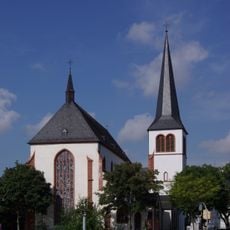
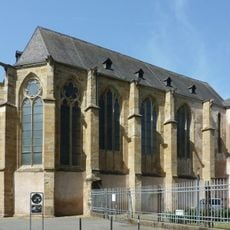
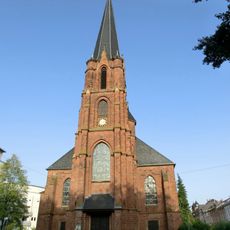
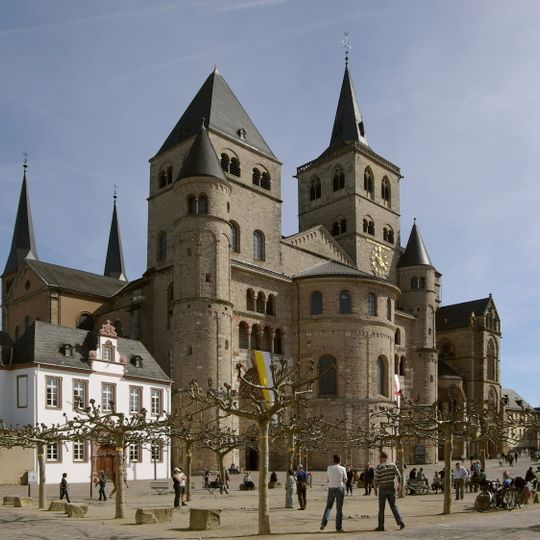
The Liebfrauenkirche is one of Germany's earliest Gothic churches, built from 1230 onward on a centralized plan around a twelve-petaled rose. The adjacent Cathedral of St. Peter, the country's oldest church, preserves Roman brickwork in its core and houses the Holy Robe, displayed in pilgrimages since 1512.
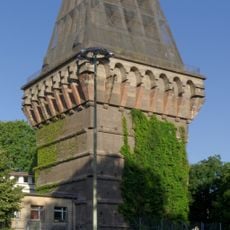
The nine components lie apart: the Porta Nigra stands north of the main square, the amphitheatre below the Petrisberg east of the old town, and the Igel Column about seven kilometres upriver in Igel. The Roman bridge and the two churches sit close together near the Moselle. The amphitheatre and the Imperial Baths keep sunken passages and stairs, so sturdy shoes help.
The Imperial Baths contain an underground network of passages where heated air circulated to warm the water and rooms. This system reveals how Romans engineered comfort thousands of years before modern heating technology.
The community of curious travelers
AroundUs brings together thousands of curated places, local tips, and hidden gems, enriched daily by 92,808 contributors worldwide.