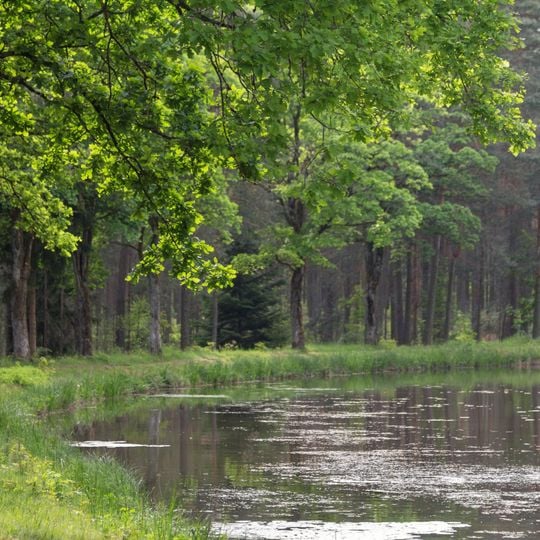
Ludwig Canal, Historic canal between Bamberg and Kelheim, Germany
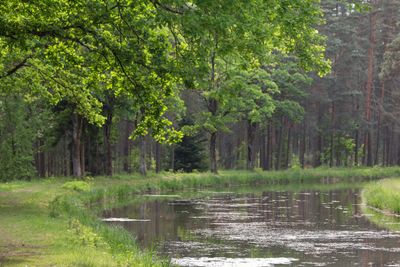
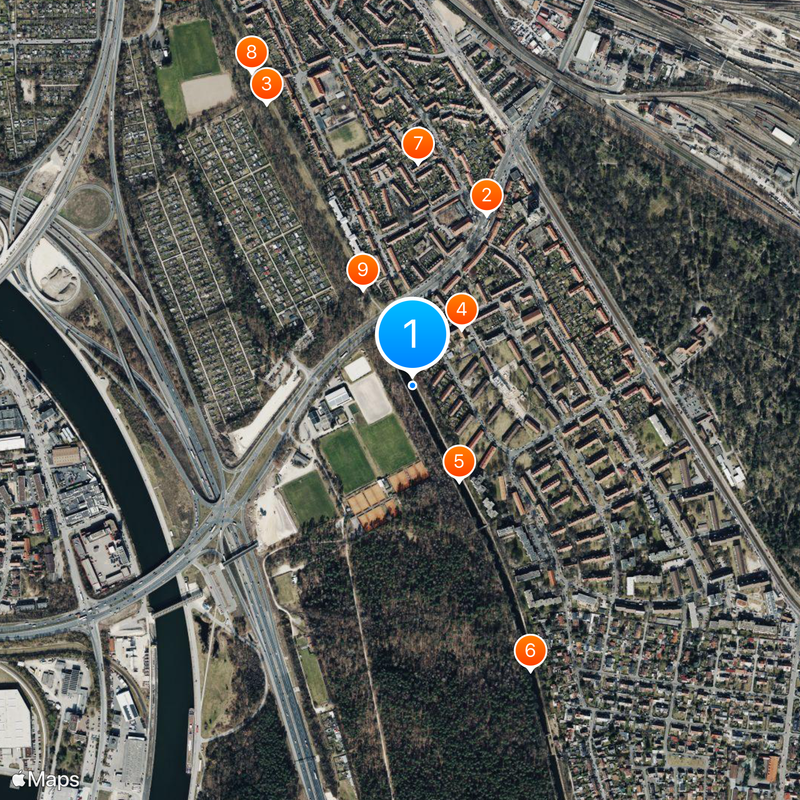
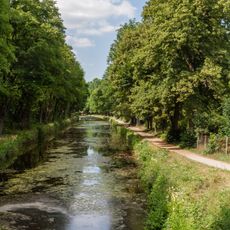
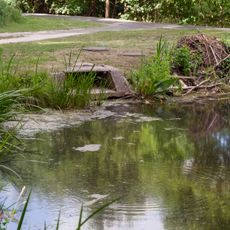
The Ludwig Canal is an artificial waterway running for 172 kilometers through Bavaria, linking the Danube near Kelheim with the Main near Bamberg. The route passes through several cities and districts, including Nuremberg, Fürth and Erlangen, with locks and bridges shaping the profile of the course.
Construction began in 1836 under King Ludwig I of Bavaria and lasted until 1846, creating the first direct waterway link between the North Sea and Black Sea. Operations ceased in 1950 after technical difficulties and limited water resources hampered transport.
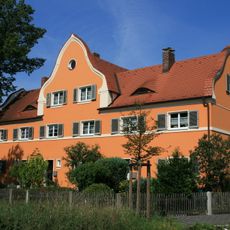
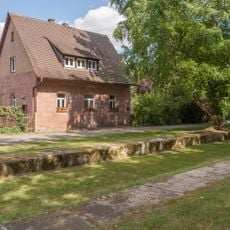
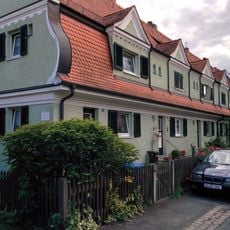
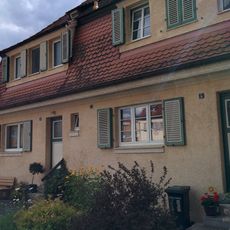
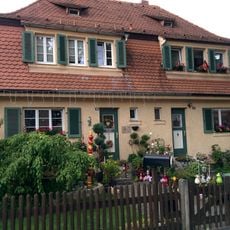
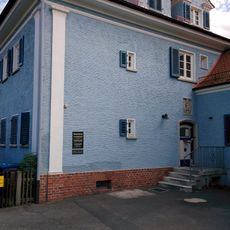
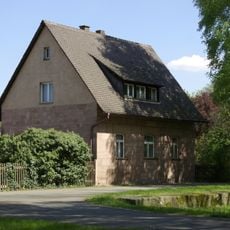
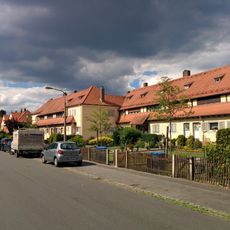
The name honors King Ludwig I, who promoted the waterway as a technical symbol of Bavarian progress. Today, the preserved locks and keeper structures stand as quiet witnesses to early industrial water engineering along the former towpath.
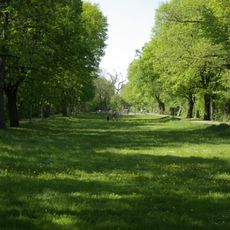
Parts of the former towpath between Nuremberg and Berching are now open as cycling routes and offer around 60 kilometers of low-traffic trails through rural areas. The paths run mostly near the waterway and are easy to ride, suitable for family outings.
The narrow width and shallow depth restricted operations to small barges with low loads, nearly excluding larger vessels. At the highest summit level, water had to be brought in from distant sources just to keep operations running.
The community of curious travelers
AroundUs brings together thousands of curated places, local tips, and hidden gems, enriched daily by 91,253 contributors worldwide.