Kellerwald-Edersee National Park, UNESCO World Heritage beech forest in Hesse, Germany
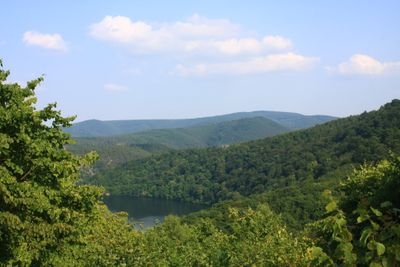
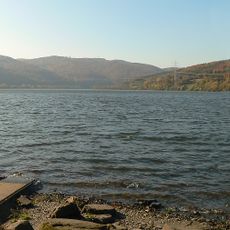
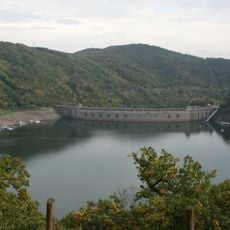
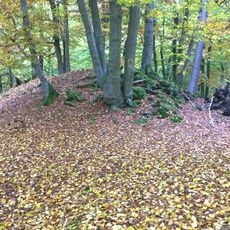
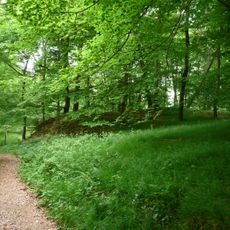
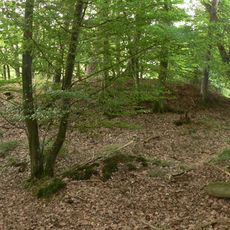
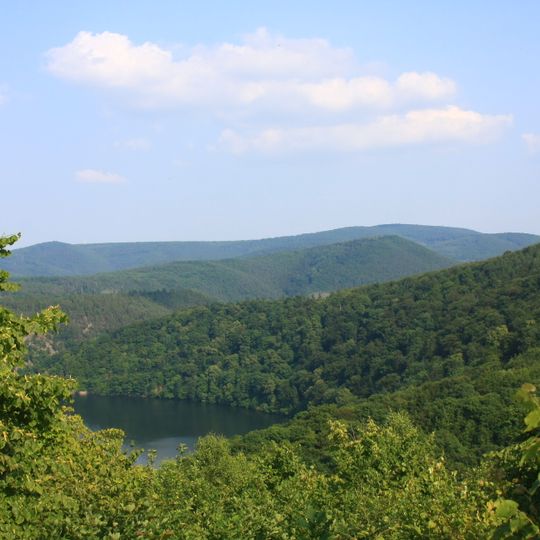
Kellerwald-Edersee National Park covers 76.88 km² of the Ederhöhen hills, whose beech forests have been part of the UNESCO World Heritage Site Ancient and Primeval Beech Forests of the Carpathians and Other Regions of Europe since 25 June 2011. The park is divided into three sections around the Edersee lake, reaching its highest point at the 626.4 m Traddelkopf. Dense broadleaf canopy covers the ridges, and the dark blue lake meets the lower slopes.
The Kellerwald-Edersee National Park was established in 2004 and initially covered 57.38 km² south of the Edersee. On 25 June 2011 its beech forests joined the UNESCO World Heritage Site Ancient and Primeval Beech Forests of the Carpathians and Other Regions of Europe. A 2020 expansion added areas north and east of the lake, bringing the park to 76.88 km² in three sections.
The place draws visitors who come to understand how forests function naturally without human interference, and walking through these woods shows what undisturbed woodland ecosystems look like. The trails help people observe how native trees, plants, and wildlife coexist in their natural patterns.
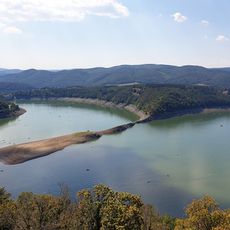
The park is split into three sections around the Edersee, with the largest part south of the lake between the Lorfe valley and the Wesebach valley. The park administration sits in Bad Wildungen, east of the protected area. The Edersee itself, its shore villages and the Wildpark Edersee with its bird-of-prey station are not part of the national park.
More than one thousand springs and small streams flow through the beech forests toward Edersee Lake, threading water throughout the park. This abundance of flowing water makes the forest come alive and creates small stream valleys and damp areas everywhere.
The community of curious travelers
AroundUs brings together thousands of curated places, local tips, and hidden gems, enriched daily by 93,627 contributors worldwide.