Eder, Major river in North Rhine-Westphalia and Hesse, Germany
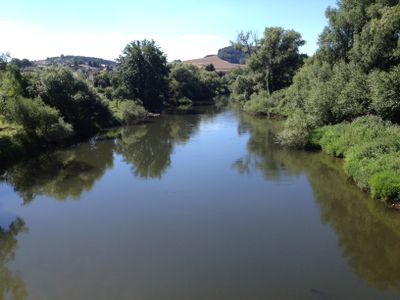
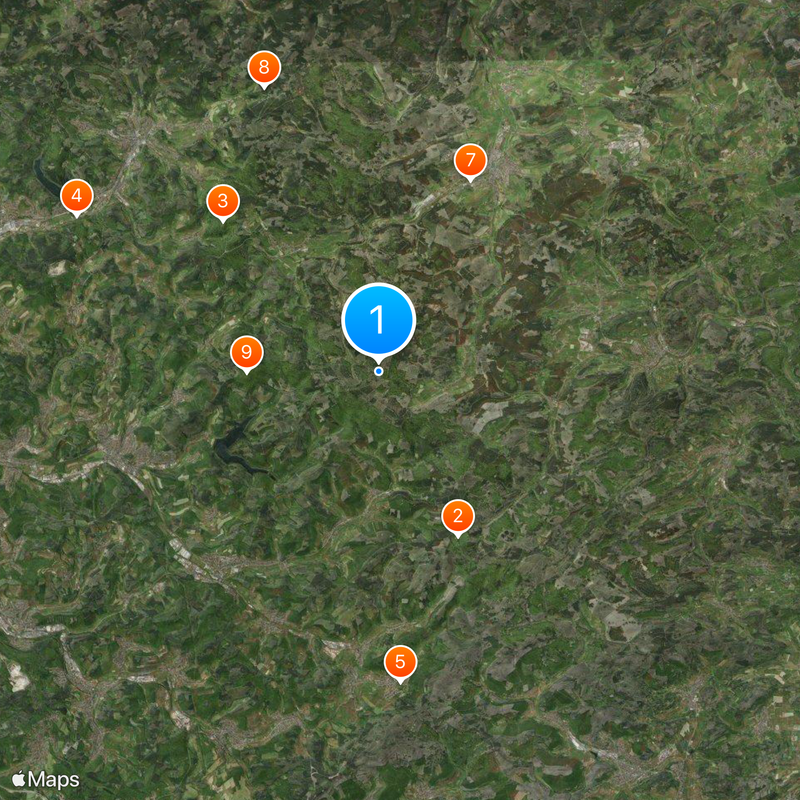
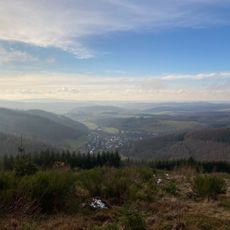
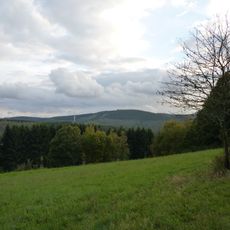
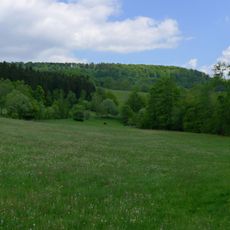
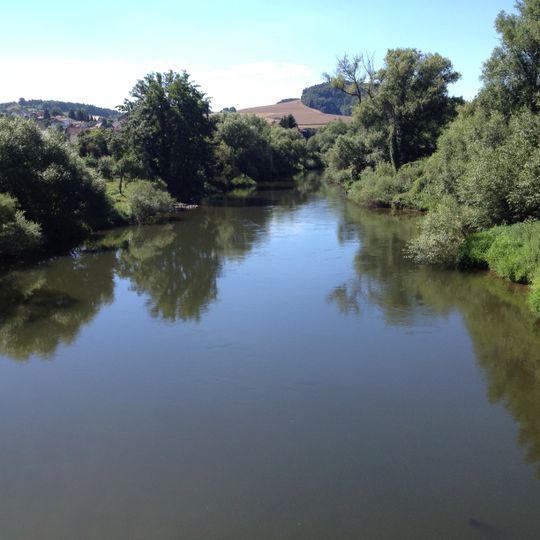
The Eder is a river that travels 177 kilometers from eastern North Rhine-Westphalia through Hesse and joins the Fulda near Edermünde. The waterway passes through diverse landscapes, connecting several regions along its course.
The Roman historian Tacitus first mentioned this river in 15 AD during military campaigns against Germanic tribes in the region. The waterway served as both boundary and strategic element in ancient conflicts.
The Schwarzenau Brethren, a religious movement born along these banks in 1708, shaped spiritual life before members emigrated to America. The river held deep meaning for this community and their faith.
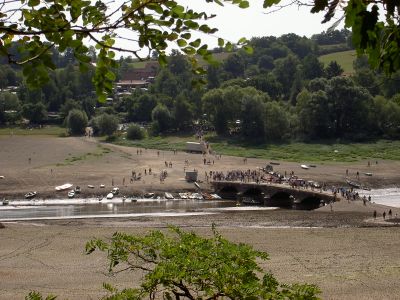
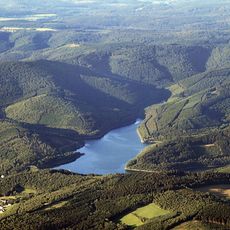
The Eder Dam, completed in 1914, regulates water levels and supports hydroelectric generation. Visitors can walk along the banks or explore the surrounding landscape, with accessibility varying by season and water conditions.
Gold from Eisenberg has been panned from river deposits since 1308, leading to the creation of valuable coins. This gold-washing tradition reveals a long history of resource use along the waterway.
The community of curious travelers
AroundUs brings together thousands of curated places, local tips, and hidden gems, enriched daily by 60,000 contributors worldwide.