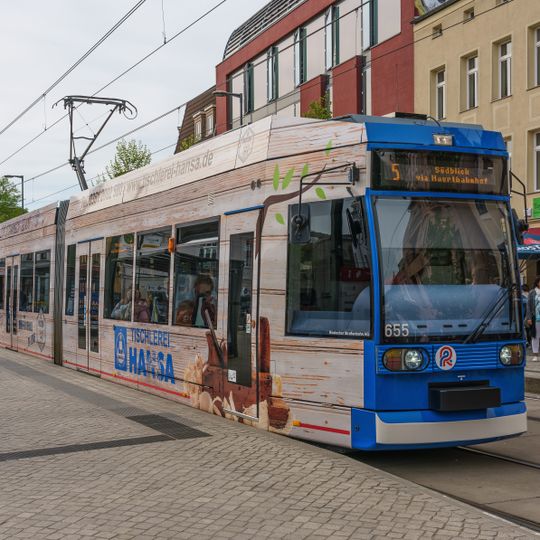
Rostock tramway, tram system in Germany
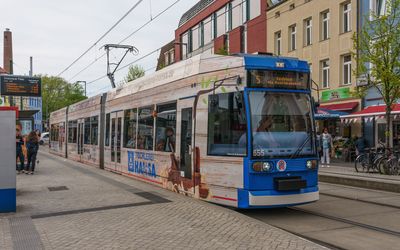
The Rostock tramway is a public transport network spanning about 35.5 kilometers, with tracks running through the city and partly underground beneath the main train station. Most routes operate on dedicated tracks, and many trams are low-floor models designed for easy boarding.
The tramway started with horse-drawn carriages in 1881 and switched to electric power in 1904, marking the beginning of the modern system. Major expansions occurred in 2003 and 2006, when new routes including an underground tunnel to the main train station were opened.
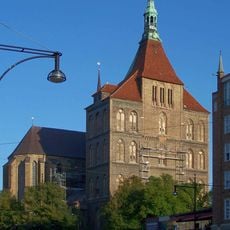
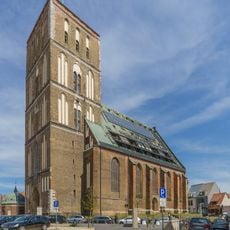
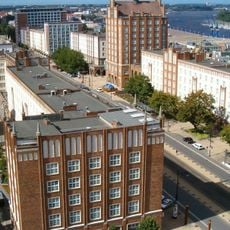
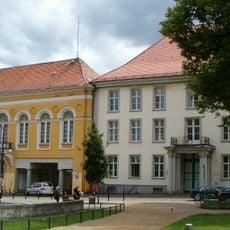
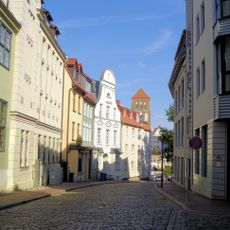
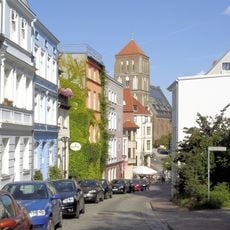
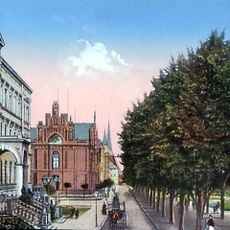
The tramway connects historic neighborhoods with modern parts of the city, shaping how residents and visitors experience daily travel. People rely on it as a familiar way to explore both old Hanseatic quarters and contemporary areas.
A single ticket covers trams, buses, and ferries, so you can switch between different transport types without buying multiple tickets. Use the free VVW app to check real-time schedules and purchase tickets directly on your phone.
The underground station beneath the main train station sits about 11 meters deep and features skylights that bring natural light underground. Elevators help passengers move easily between the underground platforms and the rest of the station.
The community of curious travelers
AroundUs brings together thousands of curated places, local tips, and hidden gems, enriched daily by 60,000 contributors worldwide.