Burg Neidenfels, Medieval castle in Neidenfels, Germany
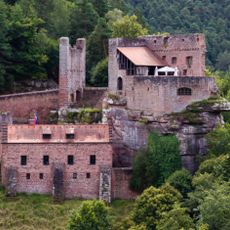
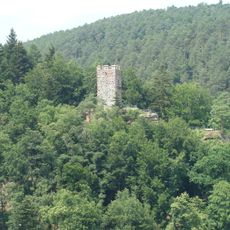
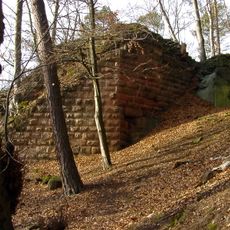
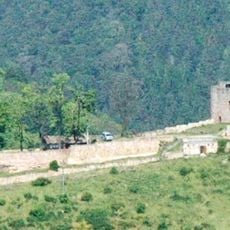
Burg Neidenfels is a castle ruin perched on a hilltop within the Palatinate Forest, displaying medieval fortification features. The stone walls remain partially intact, allowing visitors to grasp the basic layout of a stronghold built for defense and control.
Built around 1330 by Count Palatine Rudolf II as a successor to Lichtenstein Castle on the neighbouring ridge, Neidenfels was first documented in 1338. In 1577 Elector Johann Casimir granted the estate to cavalry colonel Peter Beutterich. French troops blew up the castle in 1689 during the War of the Palatine Succession; in 1749 forester Glöckle used its stones to lay vineyard terraces on the hill, without success.
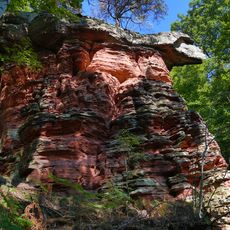
The name Neidenfels is explained by two theories: from Old German Nydenfelz, meaning "lower rock", because the castle rock sits below the higher Lichtenstein crag, or from nid, the "zeal and wrath of a warrior", recalling its role as a Trutzburg against envious neighbours. A local legend tells of two brothers: the lord of Neidenfels shot his brother at Lichtenstein with an arrow through the window, and the surviving castle gave the village its name.
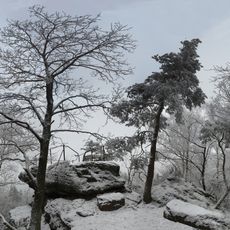
The site is accessible through several hiking trails that wind through the Palatinate Forest and offer views over the surrounding woodland. There are no facilities on the grounds, so visitors should wear sturdy shoes and come prepared for changing weather.
The name Neidenfels probably comes from Old German Nydenfelz, meaning "lower rock", because the castle crag sits lower than the neighbouring Lichtenstein rock. A second reading links nid to a warrior's zeal and wrath, fitting a fortress built to fend off envious neighbours. A local legend tells of two brothers, one of whom shot the other through a window out of envy.
The community of curious travelers
AroundUs brings together thousands of curated places, local tips, and hidden gems, enriched daily by 92,694 contributors worldwide.