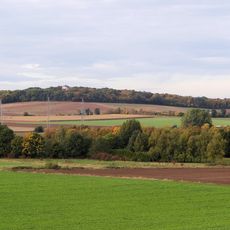
Hohes Gericht, Execution site in Wolfenbüttel, Germany
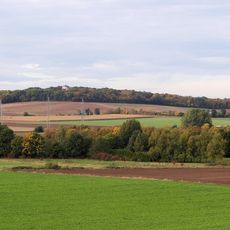
Hohes Gericht is a memorial site in Brunswick where executions took place during different periods of German history. The location features stone markers and informational panels that explain what occurred there.
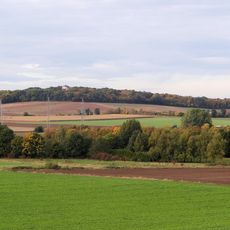
First documented in 1603 as the Ducal Main Court, the site had likely existed earlier and served as the main execution ground of the Principality of Brunswick-Wolfenbüttel until mid-1759. Under Dukes Heinrich Julius and August the Younger, many people accused of witchcraft were burned or beheaded here. The site was abandoned in 1759 and moved to the Wendesser Berg; it was rediscovered in 1964 and restored from 1981, with a memorial stone added in 1986.
The name Hohes Gericht comes from the deserted village of Lechede, and the hill was earlier called Stöckheimer Streithorn, then Streithorst once wooded. Under Dukes Heinrich Julius and August the Younger, people condemned as witches and sorceresses were burned or beheaded here; a calendar notes that in 1590 alone 10, 12 or more were burned on a single day.
The site is accessible via a marked path from Brunswick city center and has informational panels throughout. Plan time to read the explanations carefully, as this is a place for respectful reflection.
The site's name comes from the abandoned village of Lechede, and before it was wooded it was called Stöckheimer Streithorn. The Lübeck mayor Jürgen Wullenwever is sometimes said to have been executed here, but neither his execution site nor this court's existence at that time is documented.
The community of curious travelers
AroundUs brings together thousands of curated places, local tips, and hidden gems, enriched daily by 93,897 contributors worldwide.